
Unusual places to visit are waiting for you to discover them! Join our exciting virtual journeys, prepared by the travel bloggers at Novakid Online English School, and choose your next destination!

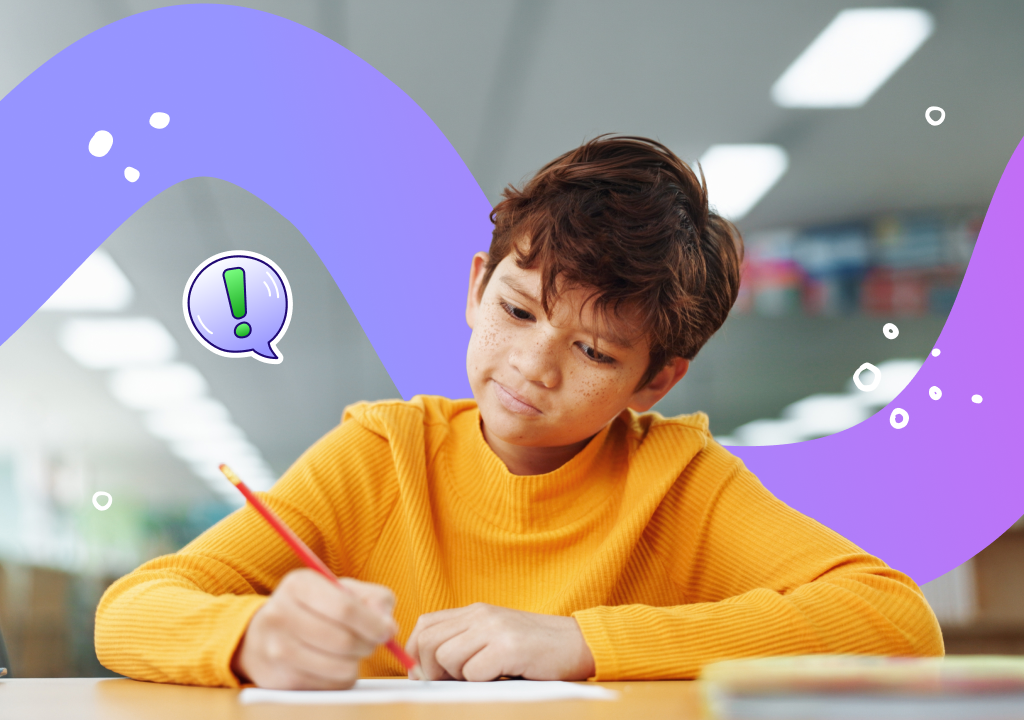
Discover how attention spans and screen fatigue affect children’s learning, and which strategies help maintain focus in online English lessons.
Read more
Unusual places to visit are waiting for you to discover them! Join our exciting virtual journeys, prepared by the travel bloggers at Novakid Online English School, and choose your next destination!

Sign up for a trial English lesson at Novakid

This guide for parents and learners explains why repetition is essential for mastering English and provides tips for improving vocabulary, confidence, and fluency.
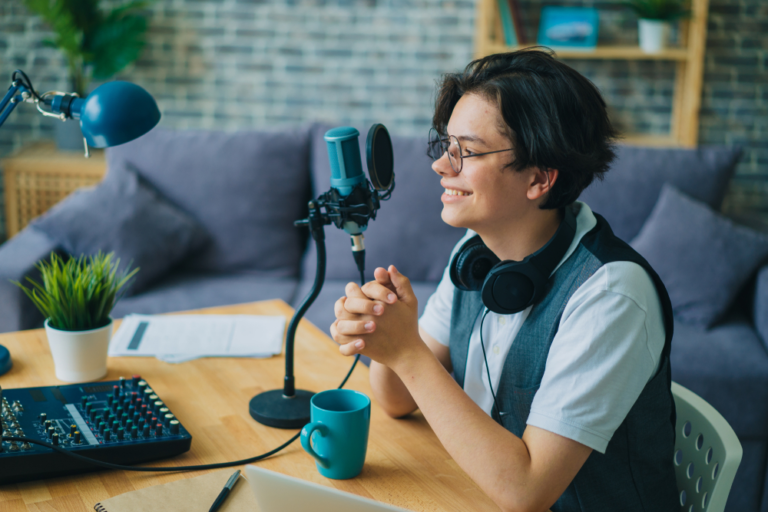
Recently, podcasts have become very popular on the Internet. This form of online, periodic, audio publication has recently successfully replaced television, radio, press and books.

Unlock the power of role-play activities to boost communication skills in ESL classes. Explore how interactive scenarios enhance language fluency and confidence for English learners.

Although the transition from private tutors to online education platforms was swift, parents had their time to decide how they felt about the opportunity to choose a teacher. The only question remains: how does one know the school is right for their kid, or they should change it?

Discover if old-school grammar and homework are still effective for children learning English, or if these methods are outdated in the modern digital classroom.
Discover how AI is transforming English learning. Explore the benefits of 24/7 tutoring, the risks of cognitive atrophy, and the future of education.

Discover how English songs, cartoons, and games help children learn faster. Explore fun and effective ways of learning English for children through play, music, and interaction.
Interactive games, role-play, songs, repetition, storytelling and much more! Find out which teaching methods work best for teaching English to children online.
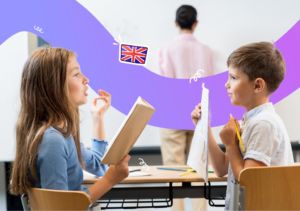
Is it possible for a child to master English in just three months? We dive into the scientific reality of language acquisition timelines vs. popular expectations.
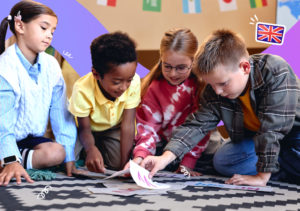
It is believed that children learn foreign languages easier than adults. But how do they actually go through the process of acquiring a new language? And how does this process differ from adults?
We and our partners use cookies and similar technologies to improve your experience, personalize content and ads, and analyze our traffic. By clicking ‘Accept all’ you agree that your personal data and cookies may be used for ad personalization, including sharing with Google. For more information, read our Privacy Policy and Google’s Privacy & Terms.
You can personalize your choices by clicking on ‘Cookie settings’.
Find more information about what cookies are and how we work with them in our Cookie policy and Privacy policy
Strictly necessary
Advertising
Analytics
Personalisation


