



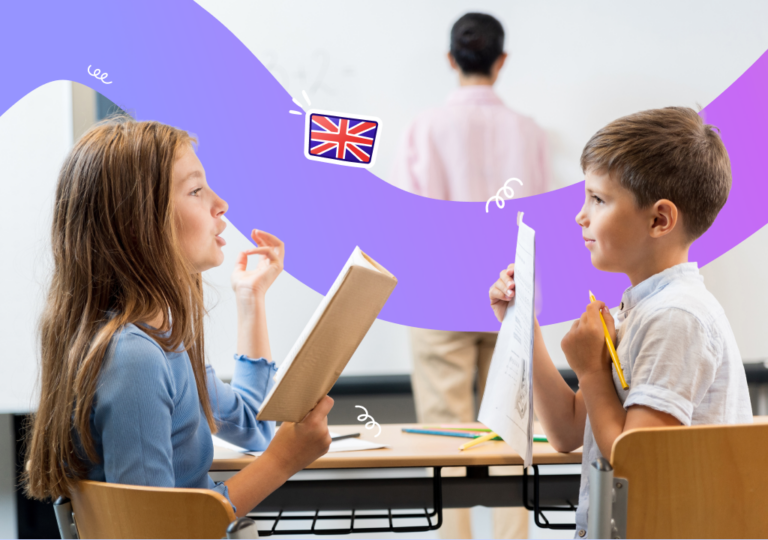
Is it possible for a child to master English in just three months? We dive into the scientific reality of language acquisition timelines vs. popular expectations.


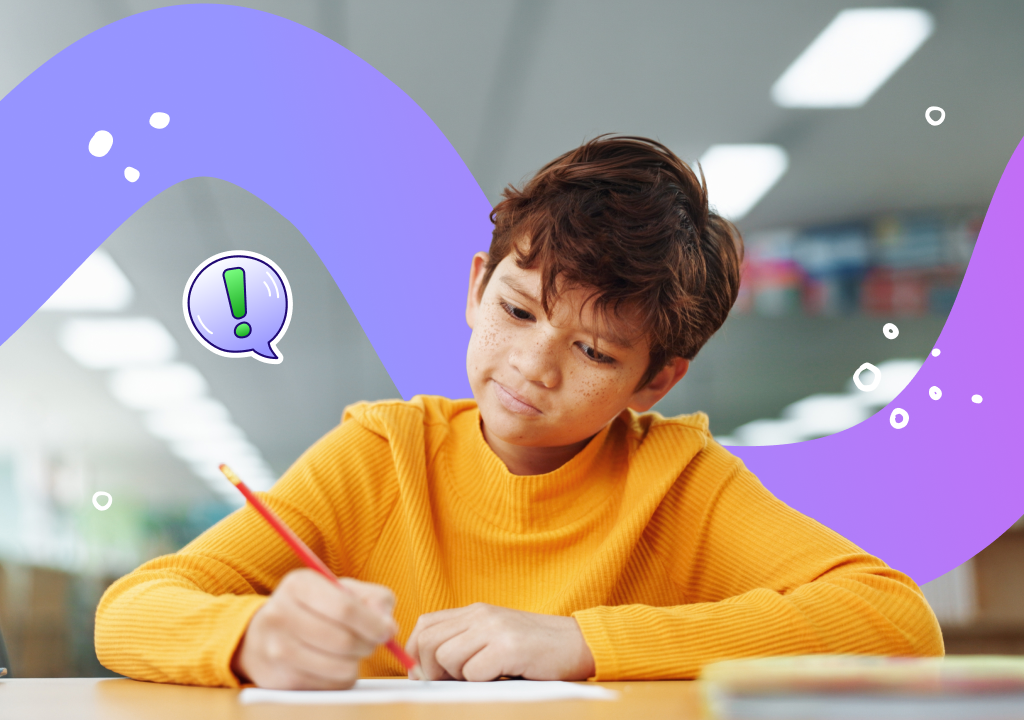
In an environment where children are constantly exposed to digital stimuli, they are finding it increasingly difficult to maintain their attention for extended periods. This phenomenon, known as attention span—the length of time a person can concentrate on a task without becoming distracted—has decreased significantly in recent years.
Studies such as those conducted by researcher Gloria Mark of the University of California, Irvine, clearly demonstrate this trend. In 2004, the average attention span in front of a screen was approximately two and a half minutes; by 2016, it had fallen to just 47 seconds. Furthermore, her research indicates that, following an interruption, it can take up to 25 minutes for a person to regain their previous level of concentration.
In this context, the problem is not only the decline in attention spans, but the challenge this poses for teaching, particularly in online settings. Keeping children focused during a lesson, both online and in-person, has become one of the main educational challenges of today.
Therefore, now more than ever, it is essential to design well-structured and dynamic lessons that can adapt to these times of reduced attention spans. The way the lesson is organised, the variety of activities, and the ability to keep the student actively engaged are key factors in ensuring effective learning.


If attention spans are shorter, the way lessons are structured becomes crucial. When it comes to teaching English to children, experts agree that there is no single ideal lesson length; instead, it must be tailored to the student’s age and cognitive development.
For young children, aged between 3 and 6, lessons should be brief, lasting between 15 and 20 minutes, as their attention span is limited. In this age group, it is essential to incorporate dynamic activities such as songs, games or short stories, as well as a wide variety of stimuli to ensure active engagement.
As student’s grow older, their ability to concentrate increases progressively. Between the ages of 7 and 13, lessons can last between 30 and 45 minutes, provided a balance is maintained between explanation and active participation. At these ages, interactive activities such as guided discussions, collaborative exercises, or the use of multimedia resources are essential for sustaining attention.
Teenagers can maintain their concentration during longer sessions, lasting between 45 and 60 minutes, although they still need energy, interaction and changes of pace to prevent them from losing interest..
This approach breaks with the traditional model of long, lecture-style lessons and favours more flexible and dynamic sessions, where student participation becomes the central focus. The key is no longer the length of the lesson, but how the learning time is structured.

Simply shortening the length of lessons is not enough. Teachers agree on one key point: attention is not maintained passively, but is built through interaction.
A survey conducted by Novakid among more than 130 online English teachers highlights that the most effective strategies for maintaining engagement are those that involve active student participation. These include role-play (86.5%), guided conversation (96.3%) and interactive games (96.2%), which, as Rogen García, an English Teacher at Novakid, points out: “are always popular and work well under all conditions, whether it’s online, in a classroom, or regardless of the class size and age of the learners.”
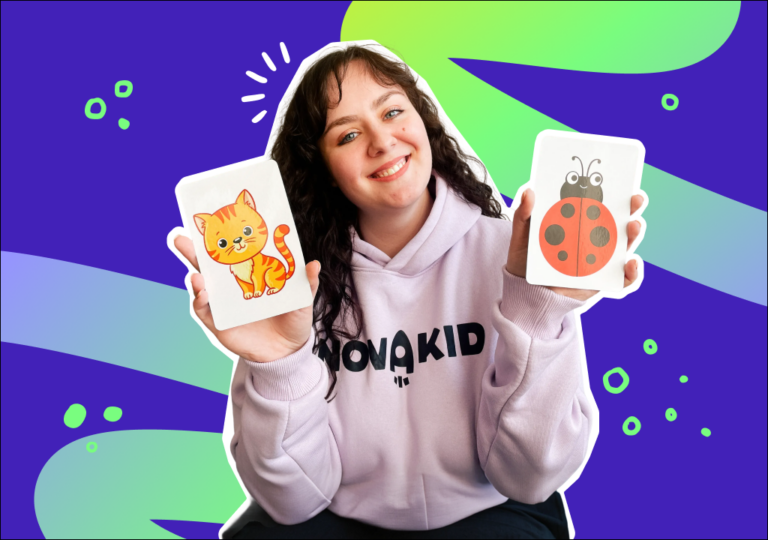
Similarly, the use of visual aids or flashcards also receives a very positive rating – only 4.4% of teachers consider them ineffective. “They keep children interested and engaged during the lesson, grab their attention and make learning feel fun,” says Ali Sullivan, a teacher at Novakid.
This type of approach puts the learner at the centre of the learning process, encouraging them to participate actively and make decisions. This not only improves concentration but also enhances content retention.
Capturing attention does not mean overwhelming it. One of the biggest challenges of online learning is striking a balance between dynamic, engaging lessons and cognitive overstimulation.
A clear example of this balance is the use of videos in the classroom, a tool widely endorsed by teachers: 89.5% of those surveyed believe that videos are effective for learning English, but that their effectiveness depends on how they are used within the lesson plan.
When they are well integrated, with a clear pedagogical objective and accompanied by interaction, they become a powerful learning tool. But in a digital environment where children are accustomed to platforms such as TikTok, Instagram Reels or YouTube Shorts — based on endless scrolling and the consumption of ultra-short videos with no engagement — inappropriate use can reinforce patterns of fragmented attention and become a fleeting stimulus.

The intensive use of audiovisual resources, combined with constant exposure to digital platforms outside the classroom (e.g. TV time, video games, smartphone usage, etc), not only influences the way children pay attention, but also their level of cognitive fatigue. When learning and leisure share the same kind of rapid, visual and continuous stimuli, the brain becomes accustomed to an increasingly fast-paced processing rhythm.
In this context, overexposure to screens can lead to an increasingly common phenomenon: screen fatigue – a form of physical and mental exhaustion that directly affects concentration, motivation and learning retention.
In fact, the World Health Organisation has highlighted the rise in childhood myopia – a common refractive error where close objects appear clearly, but distant objects are blurry – as one of the major public health concerns of the 21st century, with an estimated prevalence of between 30% and 40% of children. Screen fatigue not only affects physical well-being, but also intensifies the difficulty in maintaining attention, thereby reinforcing the initial problem we mentioned at the start of this article: attention span.
At Novakid, we know that the challenge of online teaching is not just technological, but pedagogical. It is not a question of choosing between traditional and digital methods, but of integrating them effectively into the student’s learning process.
At Novakid, we understand this reality, which is why we offer a model that combines structure, dynamism and real-life communication practice, tailored to the student’s needs in digital environments. Book a free Novakid English lesson now and discover how far your child can go with the right support!


Attention span is the amount of time a person can maintain focus on a task without becoming distracted. In children, this period tends to be shorter and can be affected by constant exposure to digital stimuli.
Some studies, such as those by researcher Gloria Mark, suggest that the average attention span when using screens has decreased in recent decades. However, rather than a total loss of attention, what is observed is a greater fragmentation of focus.
Screen fatigue is the physical and mental exhaustion associated with prolonged screen use. In children, it can manifest as lack of motivation, distraction, irritability, and physical symptoms such as eye strain or headaches.
Digital fatigue can reduce the ability to concentrate, lower motivation, and negatively impact information retention, especially in online learning environments where screen use is continuous.
It depends on age. In general, classes tend to be shorter for younger children (15–20 minutes) and can gradually extend to 45–60 minutes for teenagers, as long as they include variety and active participation.
Is it possible for a child to master English in just three months? We dive into the scientific reality of language acquisition timelines vs. popular expectations.
Discover how AI is transforming English learning. Explore the benefits of 24/7 tutoring, the risks of cognitive atrophy, and the future of education.
Individual or group lessons? Online or offline classes? Study with a tutor or an app? Exploring the benefits of one-on-one lessons over other types of classes.
What happens when teachers, not algorithms, shape learning? Discover what educators and research reveal about AI English learning, and what it means for children.

Discover 10 techniques to reduce nervousness when kids speak English, based on insights from 347 Novakid English teachers and research on language anxiety.
Discover the teaching methods actually working in 2026. From AI integration to immersive play, explore the new paradigm of English education for children.
We and our partners use cookies to improve your experience, personalize content and ads, and analyze traffic. By clicking 'Accept all', you agree to our use of cookies in accordance with the Cookie Policy.
You can personalize your choices by clicking on 'Cookie settings'.
We use four types of cookies on our website. You can learn more about cookies and how we use them here: Cookie Policy
Strictly necessary
Advertising
Analytics
Personalization