



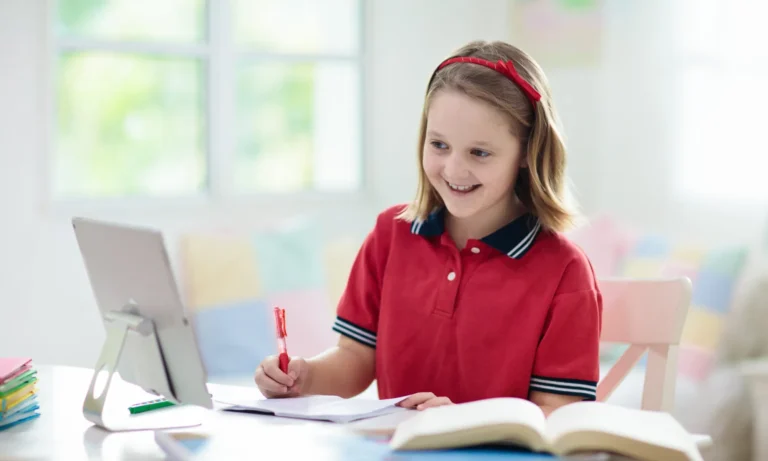
Children are looking forward to their summer holidays, and parents are concerned about how they can prevent summer learning loss and help kids remember things they struggled with during the school year.


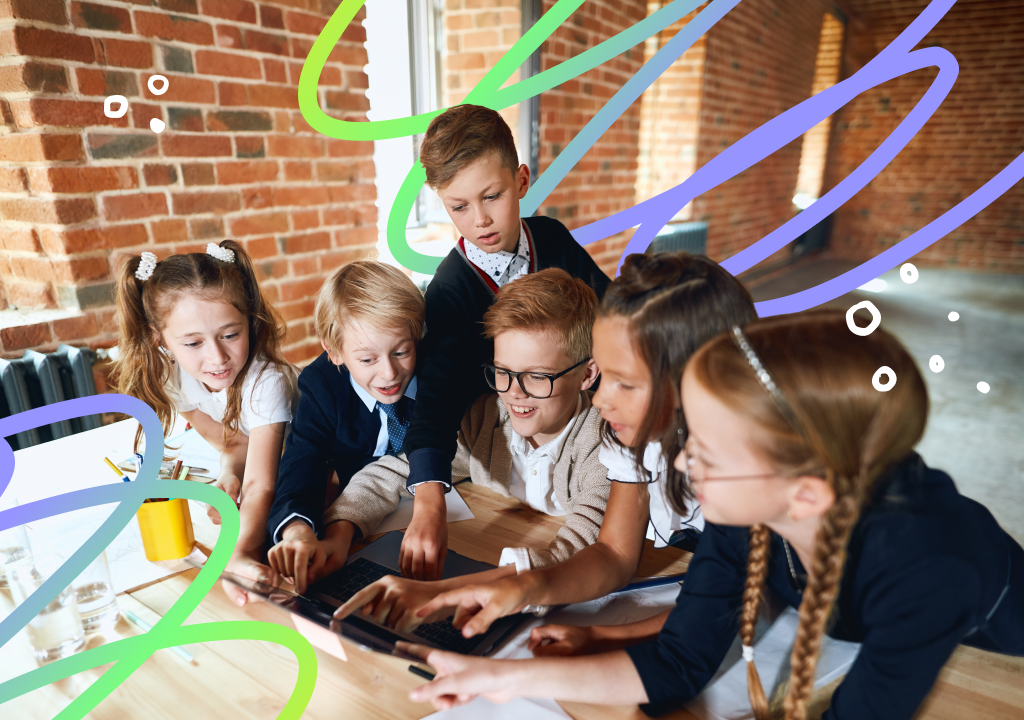
At Novakid, an online English learning platform for children, we have carried out a study analysing the best study techniques for learning English online.
“Children learn naturally through play, movement and repetition. Tools such as flashcards and phonics help them to see and understand new words, whilst the total physical response (TPR) method and games keep them active and focused, which is particularly important in online lessons. At the same time, practising everyday conversation gives children the opportunity to use English in real-life situations, which helps them gain confidence,” says Ali Sulivan, English as a Second Language (ESL) teacher at Novakid, who highlights the major transformation that English learning for children has undergone in recent years, driven above all by digitalisation, global access to content and the emergence of new educational methodologies.
Whereas English lessons, both face-to-face and online, used to typically follow a rigid structure, today the opposite is true: they are based on a dynamic process that combines multiple approaches, tools, teaching styles and techniques.
The proliferation of multiple alternatives in English teaching is a double-edged sword. On the one hand, it broadens the possibilities and allows for the design of more efficient learning experiences tailored to each student; on the other, however, it has led to a virtually unlimited range of resources and methodologies that do not all have the same impact or contribute equally to children’s actual language development.
It is precisely here that a key question arises for parents, teachers and, in general, the entire educational community: Which teaching methods really work?
To answer this question and identify which teaching techniques are most effective for learning English, we at Novakid—an online English learning platform for children aged 4 to 12—have launched a study to measure the actual impact of the various methodologies used by teachers during their online lessons.

The study from which we present the data below was conducted via an online survey of more than 130 English teachers from around the world who teach 100% online at Novakid and therefore have extensive experience in teaching English to children in digital environments. “We need to remember that teaching online, especially in one-to-one classes, is different from face-to-face group classes. Take time to get to know your student because the more you understand what they like and how they learn, the more they will respond to you and your teaching,” says Sulivan.
The survey comprised a total of 16 questions focused on assessing the effectiveness of 15 specific teaching techniques, as well as an open-ended question designed to gather additional insights into emerging methods or practices not initially covered.
Unlike other studies that focus on general educational models, this analysis focuses on specific techniques that teachers use in their day-to-day work: from repetition and the use of flashcards to storytelling, interactive games and conversation practice. The aim is to understand not only which methods are used, but also which ones have the greatest impact on students’ learning.
The results are presented in three main sections that follow the basic process of learning any language.
The first technique addressed in this study has, for decades, been one of the most widely used in language teaching. However, in an educational context increasingly focused on innovation, this practice has been called into question by certain approaches that prioritise spontaneity or organic learning.
Despite this, the data obtained in our study show that 96.2% of the teachers surveyed consider repetition a highly effective technique for teaching English to children, though always from a creative perspective and taking into account students’ needs and abilities.
This finding reinforces the idea that language automation — that is, the ability to use structures naturally — necessarily requires repeated practice and, far from being an obsolete technique, repetition in English is a key element in language consolidation, enabling students to internalise complete structures and apply them in different contexts.
For 98.5% of those surveyed, phonics is an effective technique that plays a key role in the early stages of learning English.The link between sounds and spellings not only makes reading easier, but also has a direct impact on pronunciation and the learner’s confidence when speaking. “Phonics is great for beginners who are learning sounds and reading, but not as useful for children who already know basic English,” says Sulivan.
“Phonics-based instruction is a very important step in reading, but older learners find it embarrassing to say the sounds of the letters loudly,” adds Rogen García, English teacher at Novakid.


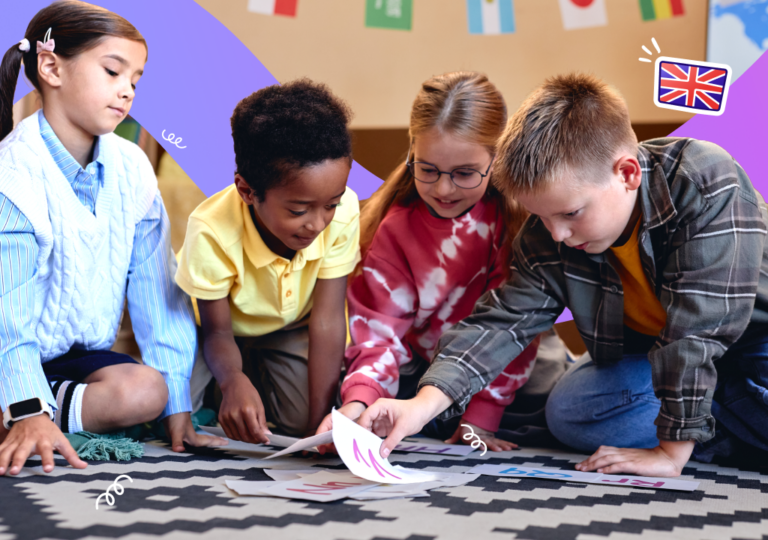
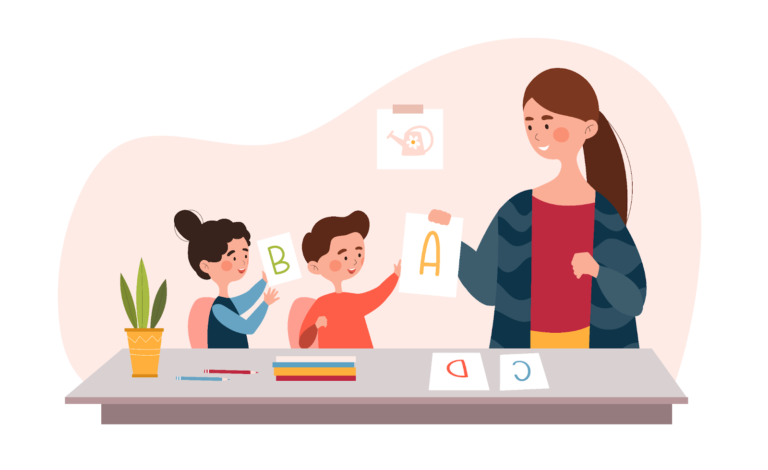
The use of visual aids remains one of the most powerful tools in early childhood education. Flashcards, both digital and physical, together with other visual elements, enable concepts to be linked quickly and effectively.
Only 4.4% of the teachers surveyed consider this technique to be unhelpful, noting that its effectiveness depends largely on the student’s level or learning profile, that is, their visual intelligence.
This figure reflects a shift in the use of visual resources, where the key is no longer so much the tool itself, but how it adapts to the student’s needs and the digital context. “The key factor is keeping children interested and engaged during the lesson. Things like visuals or props help grab their attention and make learning feel fun. It is also important to keep everything simple and clear, so children know what to do. When lessons are fun and easy to follow, children stay focused, participate more, and remember what they learn”, says Sullivan.
For his part, García recommends using apps such as Anki and Quizlet to promote active recall and spaced repetition.
One of the techniques most highly rated by teachers is the use of interactive worksheets which, as García explains, “work better online because the student is in sync with the teacher”. This approach allows students to practise vocabulary, grammar and sentence structures in an interactive way, complete exercises in real time and receive immediate feedback from the teacher, reinforcing what has been learnt in class in a dynamic and motivating way.
According to the study, 97.8% of teachers consider this technique to be highly effective, highlighting its ability to hold students’ attention, consolidate content and complement other methodologies within the online classroom.
Once the student has mastered the basics of the language (the main verb tenses, essential vocabulary such as family or food, etc.), it is essential to focus on keeping them motivated so that they continue to make progress in their learning.
To this end, we move from more functional methods to more dynamic approaches, in which the student revises whilst incorporating new knowledge and consolidating what they have learnt.
“I have a student, a 9-year-old boy who likes talking but never reading. So when we read a tongue twister activity, he wasn’t interested in it. Since he likes pop culture, I decided to make it into a rap song! He really loves it that every reading activity becomes a rap song,” recounts García.
96.2% of the teachers surveyed consider songs effective. However, their perspectives also introduce an important caveat: its impact depends largely on the age and profile of the learner. While these techniques are particularly beneficial for younger students—especially for improving pronunciation, rhythm, and memorisation—their effectiveness may decrease with older students if they are not combined with a more active approach. In such cases, some teachers note that students may simply listen to the songs without fully understanding their meaning.
The true value of these tools lies not in their isolated use, but in how they are integrated into the classroom. Without follow-up questions, practical activities or interactive exercises that encourage participation, songs can become a passive element, losing their potential as a learning tool.
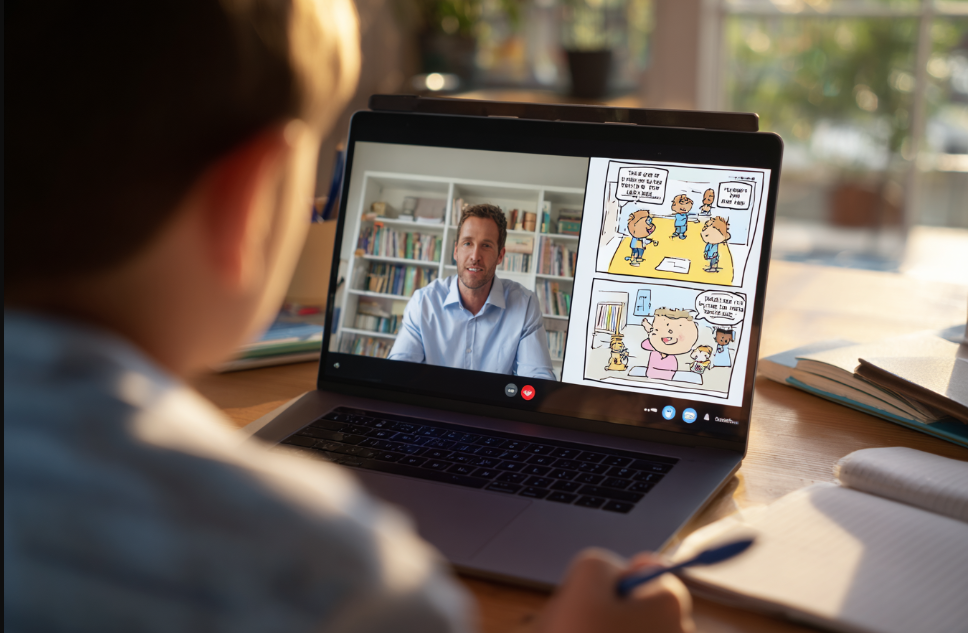
Storytelling and the use of storybooks are establishing themselves as another key technique, particularly for developing vocabulary, reading comprehension and oral expression. Most teachers consider this technique to be effective, but 12.8% note that it does not always work.
Effectiveness depends on the student’s level of English, their ability to interpret images and their familiarity with reading. Some teachers point out that students with limited vocabulary may feel confused if the text content or illustrations are not supported by clear explanations, prior vocabulary teaching and guided questions.
Nevertheless, when properly adapted to the students’ level, storytelling increases exposure to written English, encourages the acquisition of new vocabulary and helps develop independent comprehension skills, effectively complementing oral production in class.
“Online games are always popular and work well under all conditions, whether it’s online, in a classroom, or no matter the class size and age of the learners,” says Garcia. The incorporation of interactive games into the online classroom has proven to be one of the most effective strategies for maintaining students’ attention. In a digital environment where distractions are constant, the playful element becomes a key ally.
Only 2.3% of the teachers surveyed believe that interactive games are not an effective technique. The vast majority agree that this type of activity not only works but also represents one of the students’ favourite moments in any online class, although, as Sulivan points out: “Online games are fun and helpful, but they work best in small classes where every student can join in”.
The results show a clear consensus among teachers, with 89.5% of respondents considering them an effective tool for learning English. This type of content, which is in line with children’s digital habits, facilitates the understanding of vocabulary and situations through dynamic and contextual visual stimuli.
However, respondents state that their effectiveness depends largely on how they are used in the classroom. Some teachers warn that excessive use can cause distractions or cause students to lose focus.
In fact, recent findings from the American Psychological Association warn of a phenomenon known as ‘brain rot’, linked to the excessive consumption of short-form video (SFV) content on platforms such as TikTok, Instagram Reels or YouTube Shorts. The study “Feeds, Feelings, and Focus: A Systematic Review and Meta-Analysis Examining the Cognitive and Mental Health Correlates of Short-Form Video Use” analysed data from 98,299 participants across 71 studies and found that the more of these videos people watched, the poorer their cognitive performance in areas such as attention and inhibitory control.
For this reason, Novakid teachers recommend using these clips as supporting tools within a structured lesson, alongside guided activities that help consolidate learning and keep the student focused.
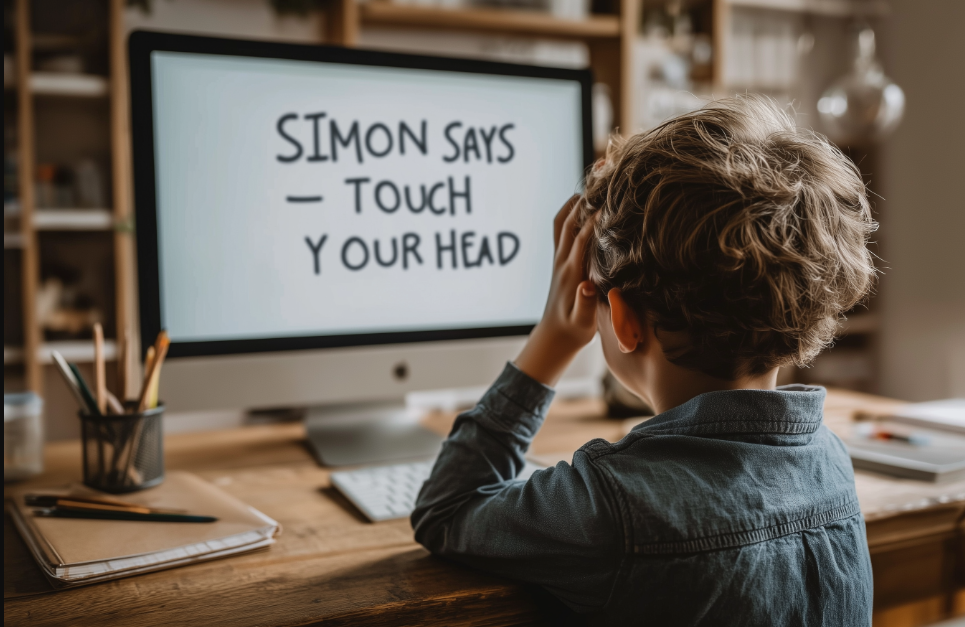
The TPR (Total Physical Response) method is based on the link between language and action, enabling students to understand and remember the content more effectively. It is one of the favourite techniques of the teachers we surveyed – 98.5% consider it to be an effective technique.
Furthermore, as Sullivan points out, “TPR works well for all ages because body language helps students understand meaning more easily”, adding, “use body movements and TPR, even if it seems minor, because it really helps children understand and stay interested. Online teaching works best when it is simple, fun, and focused on the student”.
A recent study published in the International Journal of Research in Innovative Science and Studies shows that learning through gestures, movement games and drama activities not only improves immediate vocabulary acquisition but also enhances long-term retention, particularly among younger learners or those with lower levels of English.
The ultimate goal of language learning is communication. In this regard, both conversation practice and role-play are considered two of the most effective techniques for developing students’ speaking skills.
On the one hand, 96.3% of the teachers surveyed believe that daily conversation practice is highly effective, which reinforces the idea that a language is learnt by using it in real-life contexts. On the other hand, role-play allows children to simulate everyday situations in a safe environment, fostering confidence and the practical application of language.
However, it is particularly interesting that 9.8% of respondents do not consider role-play to be effective. The reasons cited mainly relate to the difficulty of implementing it at early stages. Some teachers point out that, when students have limited command of the language, they may not understand the instructions for the exercise, which causes confusion and reduces its educational impact.
Furthermore, for students with lower reading skills, this type of activity can slow down the pace of the class, as time is spent trying to understand the activity rather than practising the language.
Where teachers do seem to agree is on the effectiveness of guided listening activities; 97% consider them essential and highly effective for familiarising students with the pronunciation, intonation and rhythm of the language.

Setting short homework assignments to be reviewed in the next lesson, involving parents in daily practice, business English for more advanced levels, self-correction of mistakes… These are some of the responses teachers gave to the final question in the survey which, as mentioned at the start of the article, invited them to share techniques they consider relevant.
“One activity that works well in my 1-on-1 classes is show-and-tell using things from their own rooms. I asked students to bring a toy, find objects of different colours, or point out stuffed animals and their body parts. Using simple sentence frames like “This is my…,” “It is…,” or “The ___ has ___,” helped guide them while still letting them speak freely. The students are always excited to share, which makes them more confident and willing to talk”, says Sullivan, adding that the effectiveness of a technique depends largely on the student’s profile, age, level of English and learning style, and that effective online English learning is built on the combination and adaptation of multiple techniques.
“Some methods work better online, while others work better in-person because of the different ways students can interact with the teacher and materials. For example, short videos online can be paused or replayed to help students understand at their own pace, and interactive worksheets let them click or type, which is more engaging than paper worksheets. On the other hand, in-person classes are better for TPR and hands-on activities, like acting out verbs or using real objects, because students can move around and physically interact with materials”.
Ultimately, it’s also important to realise that it’s all a matter of trial and error, and that “The more you teach, the easier it becomes to see which methods work best for each child”, says Sullivan.
Building on this, García offers practical advice for teachers new to online English teaching for children. Drawing on his experience with repetition, games, storytelling, and everyday conversation practice, he stresses the importance of preparation and adaptability. He recommends having extra props that are not only visually engaging but also directly relevant to the topic, and carefully reviewing lesson slides in advance to anticipate potential difficulties—such as sentence production after grammar instruction.
Regarding the use of technology, García explains that artificial intelligence has become a valuable support tool in ESL teaching. He describes AI as a “guide” that helps structure lessons by providing quick and easy-to-follow lesson plans, improving time management in class. It also suggests creative and engaging activities, such as turning reading exercises into rap songs or designing dialogues using target vocabulary, thereby enriching the range of instructional strategies available to teachers.
English language learning for children continues to evolve, driven by technological innovation and the emergence of new teaching methods. However, this study shows that it is not a question of choosing between traditional and modern approaches, but rather of integrating the best of both. At Novakid, we understand this, which is why we offer a model that combines structure, dynamism and real-life language practice, tailored to the learner’s needs in the digital environment.
Book a free Novakid English Lesson now and see just how far your child can go with the right support!


A combination of techniques usually works best. Teachers highlight repetition, phonics, games, songs, role-play, storytelling, drawings and interactive materials to maintain motivation and consolidate learning.
Role-play is highly effective, especially for practising speaking, but its effectiveness depends on the learner’s level of English and age. For beginners, it can be challenging without visual aids or clear instructions.
Storytelling exposes children to new words and structures, improves comprehension and encourages creativity. It is most effective when adapted to the student’s level and accompanied by visual aids and guided questions.
Interactive materials and digital whiteboards help students apply what they have learnt, maintain engagement and facilitate practice in a fun way. 97.8% of Novakid teachers consider them to be highly effective.
Every student has a different learning style, age and level of English. Adapting techniques to these characteristics helps maintain motivation, boost retention and improve spoken output.
Children are looking forward to their summer holidays, and parents are concerned about how they can prevent summer learning loss and help kids remember things they struggled with during the school year.

Your kid is scared to speak English? Overcome the fear of public speaking! Find out ways to improve English speaking. Novakid helps kids learn English.

Learn what Total Physical Response (TPR) is, how Novakid teachers use it in class, and why this teaching approach supports English language learners through movement and communicative language teaching.

Motivating children to learn English can be challenging for parents or teachers from time to time, especially when the child is not willing to learn. Find out what strategies can help you keep your child’s motivation high while learning English.
It is believed that children learn foreign languages easier than adults. But how do they actually go through the process of acquiring a new language? And how does this process differ from adults?
Learn how parents can support English language learning. Check out the tips on how to teach a child English in a fun and engaging way. Novakid got you covered.
We and our partners use cookies to improve your experience, personalize content and ads, and analyze traffic. By clicking 'Accept all', you agree to our use of cookies in accordance with the Cookie Policy.
You can personalize your choices by clicking on 'Cookie settings'.
We use four types of cookies on our website. You can learn more about cookies and how we use them here: Cookie Policy
Strictly necessary
Advertising
Analytics
Personalization