



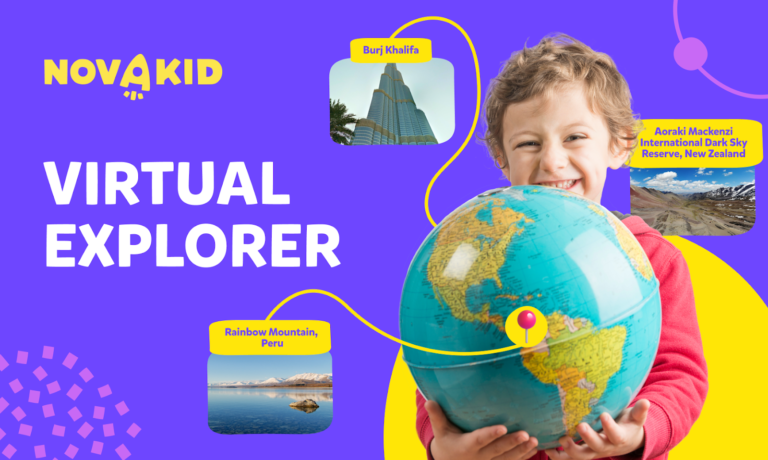
One of the benefits of using VR in education is the immersion it provides to learners. Find out more in our article about the Virtual Explorer English course at Novakid!


Have you ever wondered why you can remember the lyrics to nursery rhymes but struggle to remember what you wrote on your grocery list? The answer lies in the power of music, rhythm, and repetition.
Music activates multiple areas of the brain, making information easier to store and recall. Rhythm and melody create patterns, and our brains are naturally wired to remember patterns more easily than isolated pieces of information. That is why we are able to remember song lyrics and melodies so effortlessly.
The same principle is incredibly powerful when it comes to learning English for children. Children learn best through engaging, interactive experiences — and tools like English songs, cartoons, and games for studying English tap directly into this natural learning process. By making learning a fun and memorable experience, these methods help children absorb language faster and more effectively.
Children learn best through active engagement. When they are singing, watching, or playing, they are not just passively receiving information, they are interacting with it.
This type of learning:
By combining fun with structure, children develop language skills much faster.
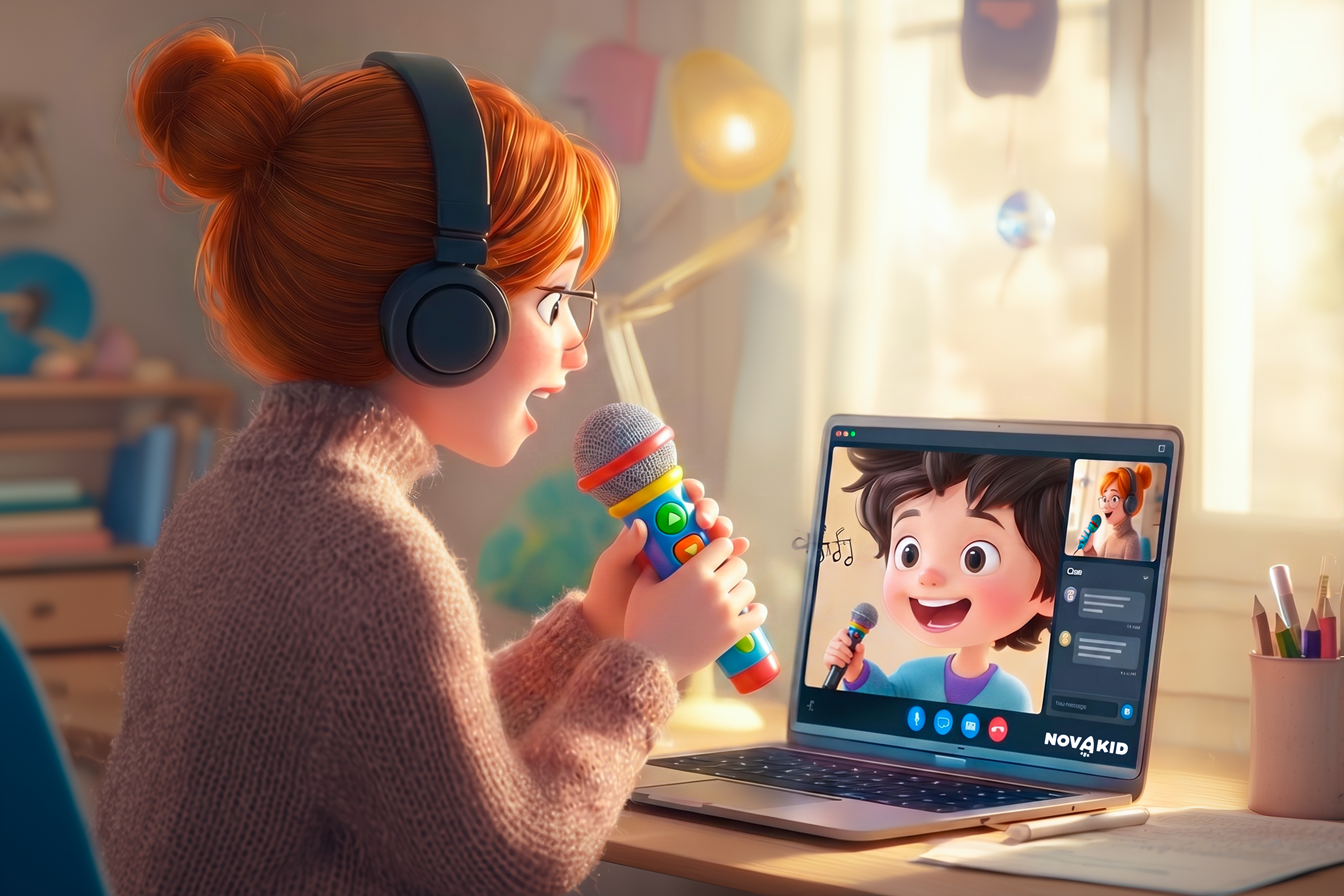

English songs are one of the most effective tools for young learners. Songs introduce rhythm, repetition, and pronunciation in a way that feels effortless to the child.
Simple songs like ‘Twinkle Twinkle Little Star’, or familiar tunes like ‘The Wheels on the Bus’ help children:
Songs are repetitive, which means children hear the same words and phrases multiple times, strengthening memory. Singing also builds confidence, even in shy learners.
To explore more ways music supports learning, click here.
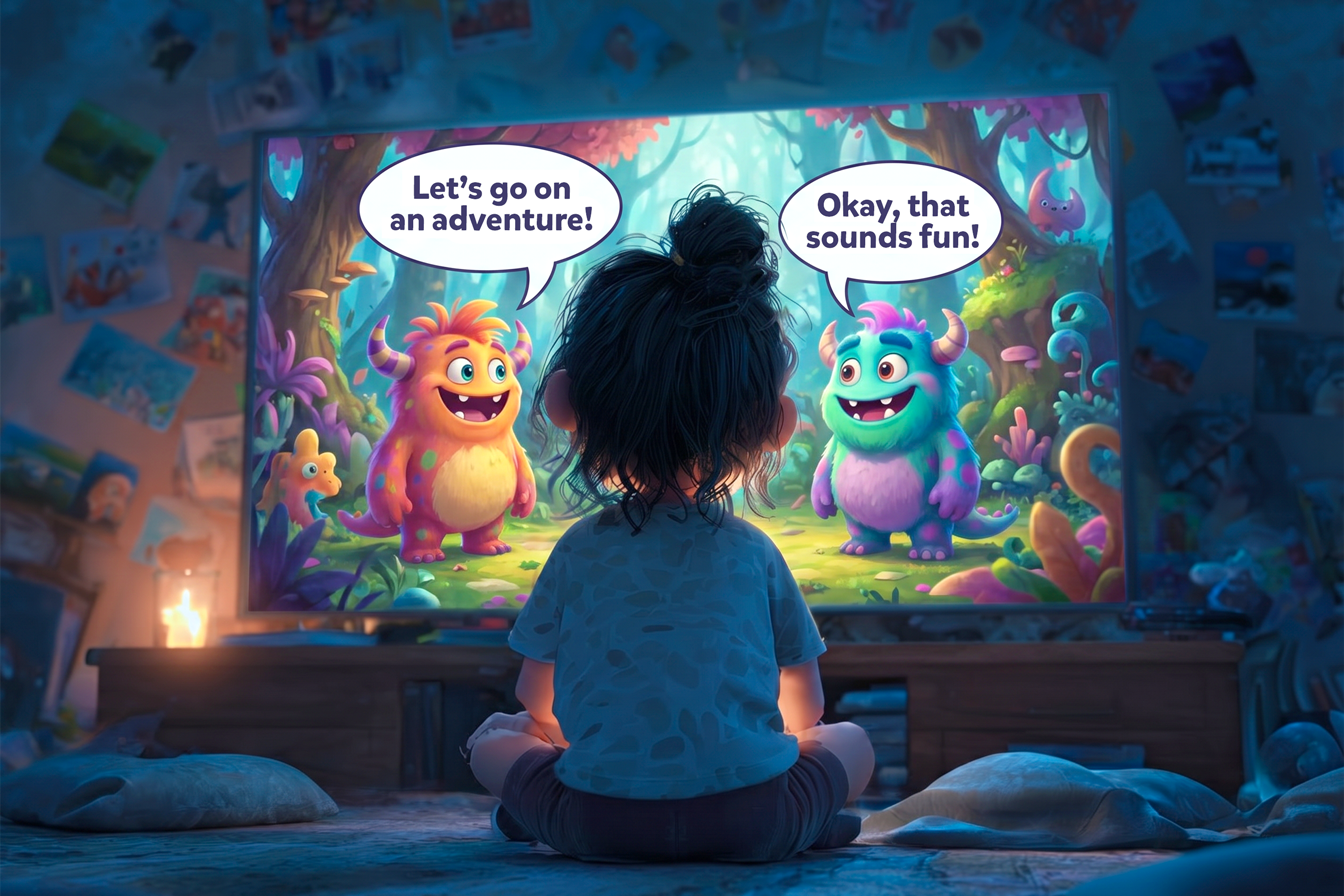
Animated shows are another powerful learning tool. By watching cartoons in English, children are naturally exposed to the English language in context.
Cartoons help by:
When children watch cartoons in English, they begin to connect words with actions, emotions, images, and situations — making the language and learning more meaningful.
Learn more about this approach and which cartoons to choose for your child here.

Games for studying English turn learning into an interactive experience. Instead of simply memorising words, children actively use language while playing and having fun.
Games can:
Interactive games are especially effective because they combine movement, thinking, and communication — all key elements in language development. To learn more about how Novakid uses games in their lessons, read this article on gamification.
The most effective approach is to combine all three methods. For example: A child might learn new vocabulary through songs, then see that vocabulary used in a cartoon story, and then practise it through various games.
This layered exposure helps children understand and use English more naturally, while keeping learning fun and engaging.
If you’re wondering how to learn English in a way that truly works for children, the answer is simple: make it fun, interactive, and meaningful.
English songs, cartoons, and games are not just entertainment — they are powerful learning tools. That is why learning at Novakid is so effective. Novakid has created an immersive learning experience that incorporates cartoons (the Novakid Game World), songs, and gamification into every lesson.
Are you ready to see how fun learning English can be?
Give your child the opportunity to learn through songs, games, and interactive lessons that are designed to build real skills and confidence. Book a FREE trial lesson today!


Songs help children learn through repetition, rhythm, and melody. These elements make it easier to remember new words and phrases whilst improving pronunciation and listening skills.
Yes, listening to English songs improves pronunciation, vocabulary, and listening comprehension. It also helps learners become more familiar with the natural rhythm and flow of the language.
Cartoons support language development by combining visuals with spoken language. They help children understand meaning, improve listening skills, and learn everyday expressions in context.
Games make learning interactive and engaging. They encourage active participation, reinforce language skills, and help children practise English in a fun, low pressure environment.
One of the benefits of using VR in education is the immersion it provides to learners. Find out more in our article about the Virtual Explorer English course at Novakid!

English pronunciation can be tricky. Improve your English pronunciation and feel confident speaking English like a native-speaker. Pronounce English better.
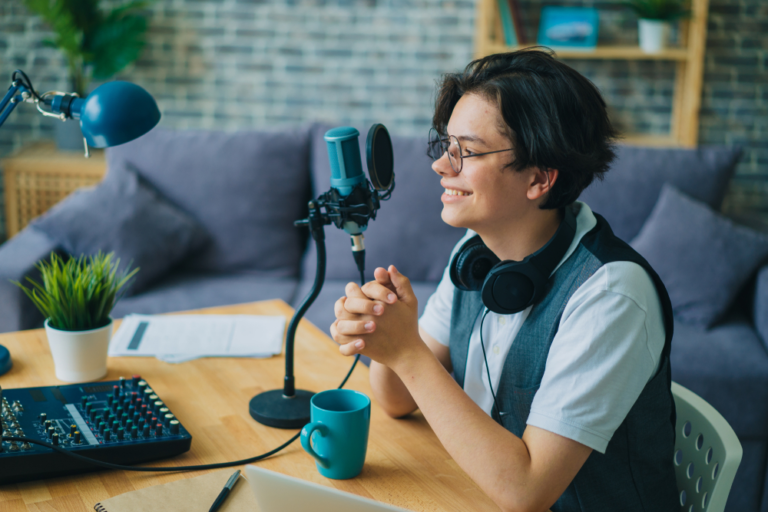
Recently, podcasts have become very popular on the Internet. This form of online, periodic, audio publication has recently successfully replaced television, radio, press and books.
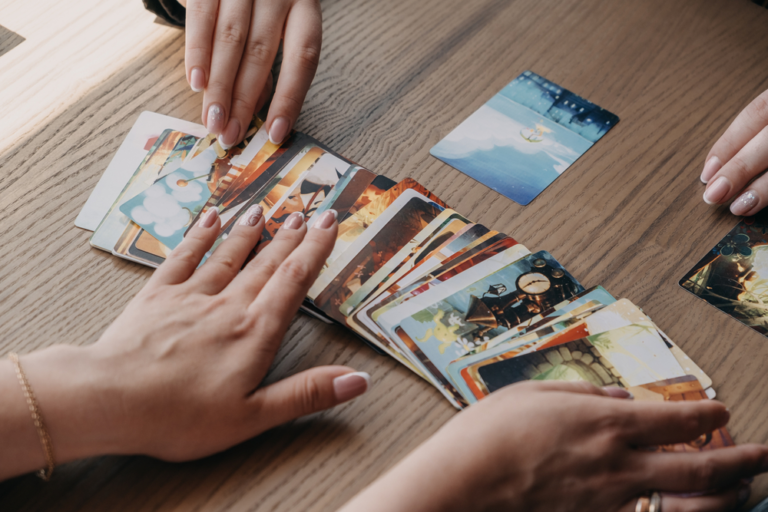
Dixit is a card game, designed in 2008 by a French doctor, Jean Louis Roubira, who worked with young patients experiencing difficulties both inside and outside of their school environment.
The child will easily learn the English alphabet and remember both the spelling of the letters and their sound if you approach this process creatively.
This article shows how to motivate kids to learn English in a friendly way, using stories and video games
We and our partners use cookies to improve your experience, personalize content and ads, and analyze traffic. By clicking 'Accept all', you agree to our use of cookies in accordance with the Cookie Policy.
You can personalize your choices by clicking on 'Cookie settings'.
We use four types of cookies on our website. You can learn more about cookies and how we use them here: Cookie Policy
Strictly necessary
Advertising
Analytics
Personalization