



Effective English vocabulary exercises designed for ESL kids and parents. Learn games, practice routines, and helpful tips to improve language confidence.




Have you ever found yourself struggling to communicate effectively in English despite having a good grasp of grammar and vocabulary? If so, you’re not alone. Many ESL students face challenges when it comes to confidently expressing themselves in real-life situations. That’s where role-play activities come in.
Role-play activities allow ESL students to step into different roles and engage in simulated conversations and interactions (that’s why we always encourage this at Novakid). By being in these scenarios, students can practice using English in practical, real-world contexts. Whether it’s ordering food at a restaurant, making a phone call, or negotiating a job interview, role-play activities provide a safe and supportive environment for students to experiment with language and build confidence.
As we explore the benefits and strategies of using role-play activities in ESL classes, we’ll uncover how they can empower students to become more confident and effective communicators. Now, let’s begin our simple guide for using role-play activities to improve communication skills in ESL classes.
Using role-play activities in ESL classes offers a multitude of benefits for students’ communication skills.
Firstly, it improves fluency and spontaneity in speaking by providing opportunities for students to practice using English in realistic scenarios. Through role-play, students become more comfortable expressing themselves spontaneously, leading to more natural conversations.
Secondly, role-play enhances listening and comprehension skills as students actively engage in dialogue and interpret verbal and nonverbal cues. This active listening leads to better understanding and comprehension of spoken English.
Additionally, role-play activities increase students’ confidence in using English in real-life situations. By simulating authentic interactions, students gain the confidence to communicate.
Lastly, role-play provides opportunities for vocabulary expansion and language practice. As students encounter new words and phrases, they naturally incorporate them into their repertoire, leading to improved language proficiency overall.
Now that we’ve discussed the benefits, let’s talk about teaching. Incorporating role-play activities into language courses can be done in various ways, depending on the strength of the learner and the focus of the lesson. Let’s look at a few examples:
Everyday Situations: Role-playing common interactions, such as ordering food in a restaurant or making a phone call, allows students to practice language skills in familiar contexts. These scenarios mirror real-life situations, preparing them for authentic communication experiences outside the classroom.
Problem-Solving Scenarios: Role-playing situations that require problem-solving and decision-making help students develop critical thinking skills. Examples include resolving conflicts, negotiating business deals, or giving advice to friends. These scenarios, through role-play, encourage students to think analytically and creatively.
Role Reversal: Role reversal involves students switching roles to take on different perspectives. This activity promotes empathy and perspective-taking as students step into the shoes of others. By seeing situations from different viewpoints, students gain a deeper understanding of diverse perspectives and cultural differences.
As you can see, role-play activities are a valuable tool for enhancing communication skills in ESL classes, offering students the opportunity to engage in realistic scenarios and practice language in context. But, as you know, all learners are different, and not all scenarios are going to be relevant or beneficial for every learner. For these role-play activities to be successful in the classroom, consider these tips:
Start with Simple Scenarios: First, begin with familiar situations, such as ordering food or asking for directions, to ease students into role-play activities.
Encourage Creativity: Next, allow students to personalize their roles and dialogue by adding details or modifying scenarios to make them more relevant.
Provide Feedback: Now, offer constructive feedback on language use, pronunciation, and communication skills during and after role-play activities to help students improve. Novakid teachers can also assist with this, and you can book a trial lesson here!
Rotate Roles: Finally, ensure that every student has the opportunity to play different roles by rotating assignments, maximizing participation and learning opportunities for all.
In conclusion, incorporating role-play activities into ESL classes is an effective way to enhance communication skills. By letting students engage in interactive scenarios, these activities will help tp improve language fluency, confidence, and real-life abilities for the better!


Effective English vocabulary exercises designed for ESL kids and parents. Learn games, practice routines, and helpful tips to improve language confidence.

Gendered language can affect how students perceive themselves and each other, influencing their confidence and participation. In this article, we explore the impact of gendered language on ESL learning and offer practical strategies as well.

Enhance your English with the power of music and songs, improving pronunciation, vocabulary, and cultural understanding. Discover practical strategies to integrate music into your language lessons for a fun experience.

Perfect length of an English lesson depends on the age of children, their attention span and learning objectives. Most of the time, it varies from 25 to 60 minutes.
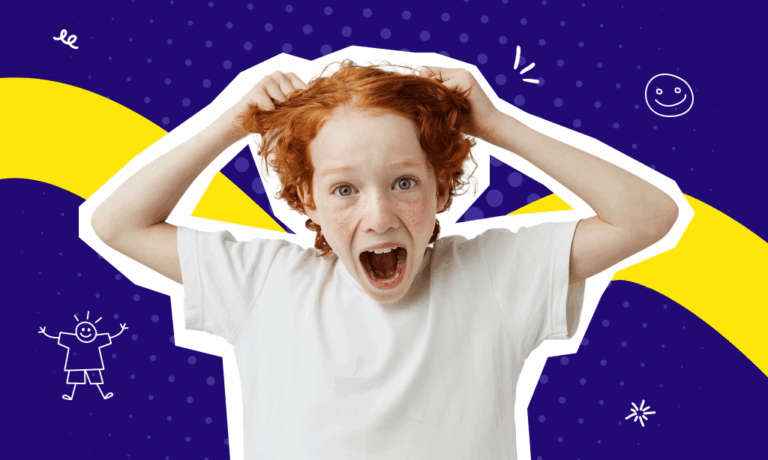
Kids with ADHD often struggle with paying attention, staying organized, and controlling their impulses. By understanding these challenges, parents and teachers can work together to better support children with ADHD in their ESL learning journey.
While group lessons offer a vibrant, social atmosphere where you can practice English in diverse scenarios, individual lessons are tuned to your child’s unique rhythm. So which one to choose?
We and our partners use cookies to improve your experience, personalize content and ads, and analyze traffic. By clicking 'Accept all', you agree to our use of cookies in accordance with the Cookie Policy.
You can personalize your choices by clicking on 'Cookie settings'.
We use four types of cookies on our website. You can learn more about cookies and how we use them here: Cookie Policy
Strictly necessary
Advertising
Analytics
Personalization