
Does your child hate learning English? Discover research-backed strategies to overcome learning resistance, motivate reluctant learners, and make English fun again.


Insights from English teachers on children’s speaking confidence, vocabulary retention, home practice, AI and the role parents play in language learning.
Read moreDoes your child hate learning English? Discover research-backed strategies to overcome learning resistance, motivate reluctant learners, and make English fun again.

Sign up for a trial English lesson at Novakid

Learn how the time your kid spends on screen can be used as an advantage for learning English. Find out our tips for bilingual English education.
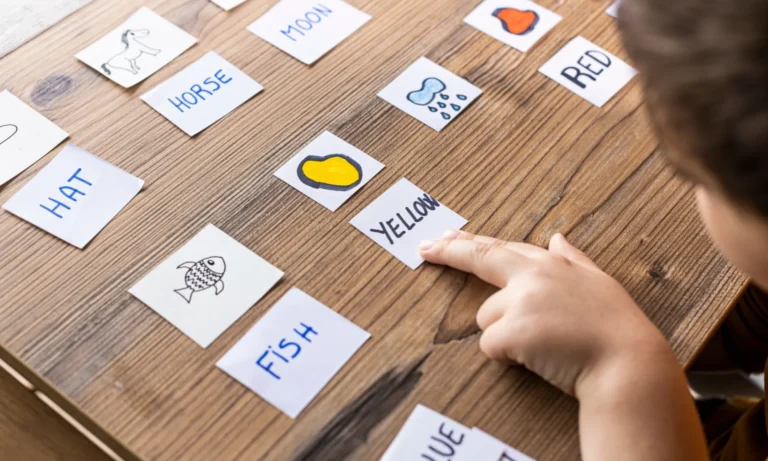
Help a child learn English vocabulary words. Learn new words effectively. Memorize English new vocabulary and find effective ways to teach your child with Novakid.

In this article an English teacher shares her recommendations on how to learn English fast.
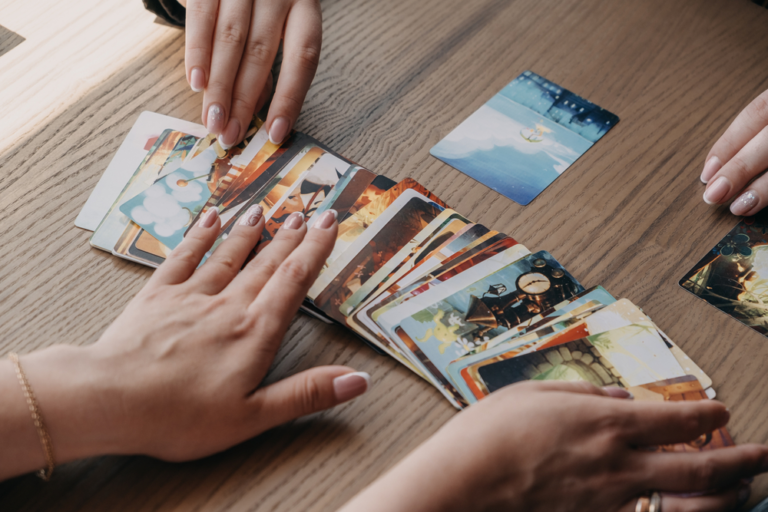
Dixit is a card game, designed in 2008 by a French doctor, Jean Louis Roubira, who worked with young patients experiencing difficulties both inside and outside of their school environment.

Discover simple daily micro-habits that help children learn English at home. From morning routines to bedtime stories, learn how to make English part of everyday family life.

Discover 10 techniques to reduce nervousness when kids speak English, based on insights from 347 Novakid English teachers and research on language anxiety.
A detailed explanation of what CVC words are and why they are important when children learn English.

Motivating children to learn English can be challenging for parents or teachers from time to time, especially when the child is not willing to learn. Find out what strategies can help you keep your child’s motivation high while learning English.

A thoroughly researched explanation from an English teacher about how long it usually takes a child to become fluent in English, including a breakdown of skills that can be achieved after a certain amount of time.

Is English fluency a natural talent or the result of early immersion and practice? Find out what research and over 100 Novakid teachers reveal.
We and our partners use cookies to improve your experience, personalize content and ads, and analyze traffic. By clicking 'Accept all', you agree to our use of cookies in accordance with the Cookie Policy.
You can personalize your choices by clicking on 'Cookie settings'.
We use four types of cookies on our website. You can learn more about cookies and how we use them here: Cookie Policy
Strictly necessary
Advertising
Analytics
Personalization