



Explore an English learning formula through a survey of 300+ Novakid teachers and original studies on language and memory that might answer the question “Is English an easy language to learn?”.


If you’ve ever been to an English class, we’re sure that if we say “Simon says… touch your head!”, you’ll know exactly what we mean. You’ve probably, almost instinctively, put your hand to your head… This is what is known as Total Physical Response (TPR), a language teaching methodology developed by Dr James Asher, which links learning new words with physical actions.
Asher observed that children learn their mother tongue by responding to physical instructions from their parents before they are able to utter a single sentence; in other words, children not only learn the actions and behaviours they are shown, but also internalise the words used, as well as the other sounds, patterns and cues that serve to convey information. TPR replicates this process, allowing the brain to absorb the language without the stress of constant translation.
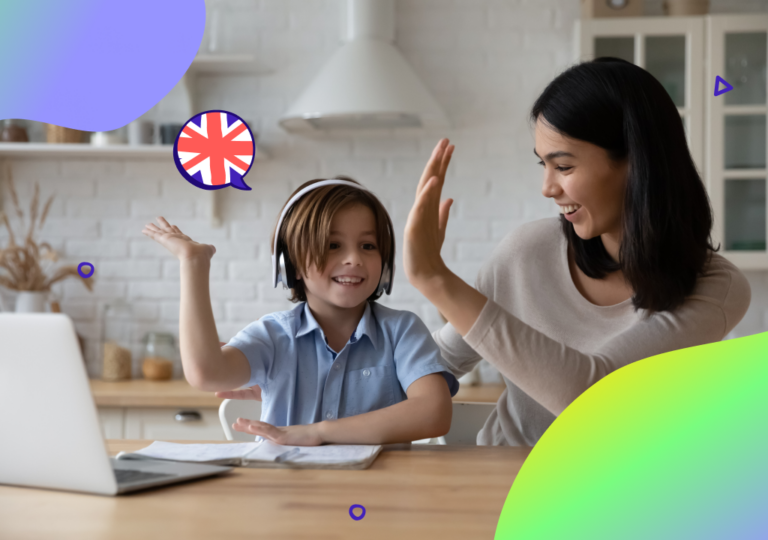
But what happens when we bring this dynamism into the digital world? Can TPR be used to teach English online? Can students jump, point or dance through a screen? The answer is a resounding yes. At Novakid, we see it every day: learning through movement isn’t lost behind a screen; on the contrary, it comes to life in new ways.
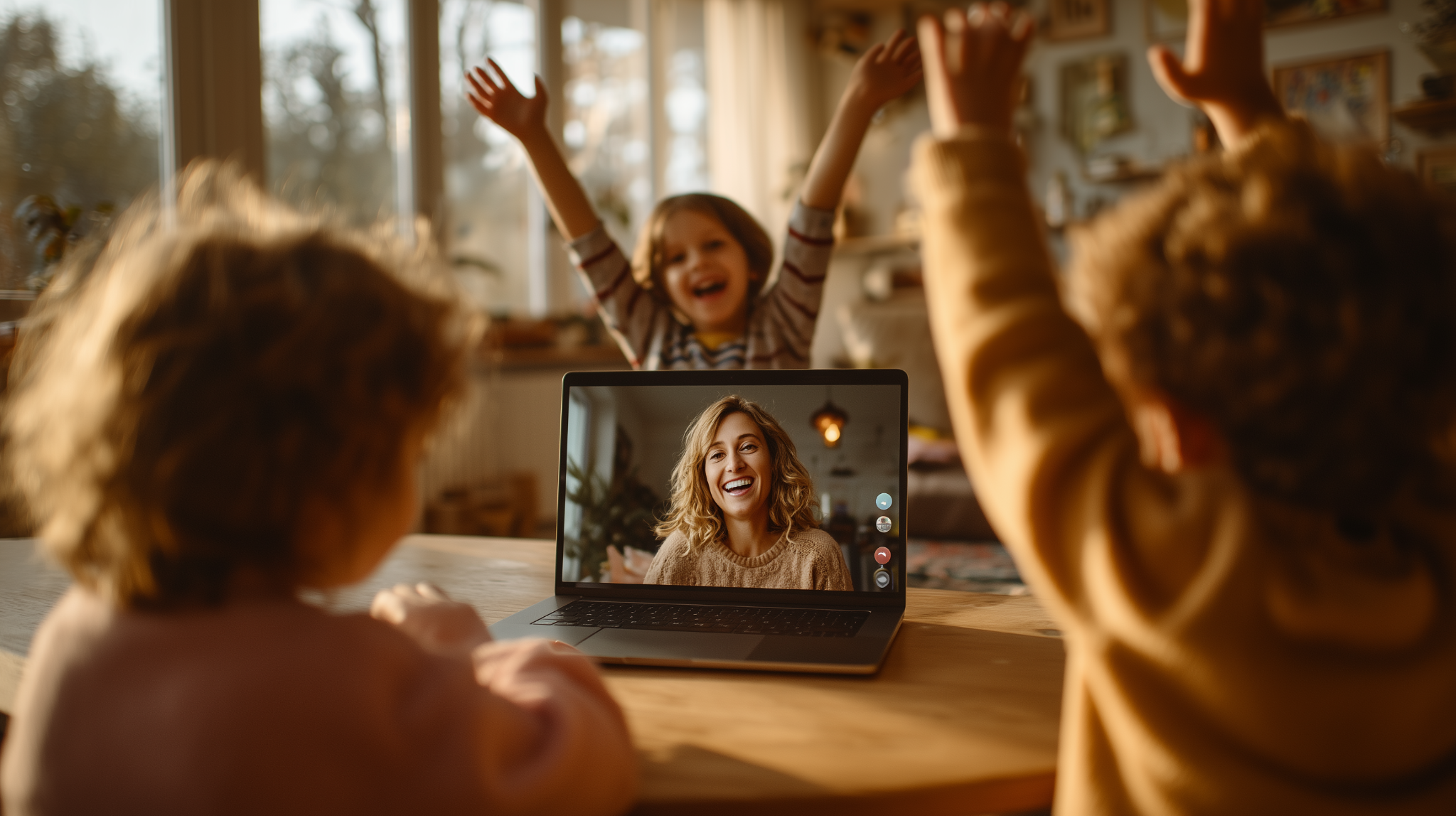

Total Physical Response is a method based on the coordination of language and movement. Rather than requiring students to speak from the outset, it prioritises listening comprehension accompanied by physical actions.
In a traditional class, the teacher gives instructions such as “stand up”, “point to the door”, or “clap your hands”, and the students respond with movements. This process activates multiple areas of the brain, reinforcing the connection between words and meaning.
The method is based on three key principles:
The result is a more natural learning process, where making mistakes is part of the process.
At first glance, it might seem that TPR loses its effectiveness in virtual classes. However, experience shows the opposite to be true. At Novakid, a survey of over 130 online English teachers reveals that 98.5% consider TPR to be a key tool for maintaining attention and facilitating language acquisition.
As Ali Sullivan, an ESL teacher at Novakid, explains: “This method works well because it matches how children naturally learn; through play, movement, and repetition. TPR keeps them active and focused, which is especially important online.”
Movement acts as a bridge between the screen and the child’s reality, transforming the lesson into an active experience.
TPR is not just an educational trend: it is based on the principles of embodied learning, which shows that involving the body in the process activates more areas of the brain and reinforces knowledge acquisition.
When learning incorporates movement, long-term memory is significantly strengthened. Hearing the word ‘climb’ is not the same as physically acting it out: by doing so, the brain not only processes the sound but also ‘experiences’ the action, creating deeper and more lasting connections.
Furthermore, movement has a direct impact on the emotional level. By reducing pressure and transforming the lesson into a more dynamic experience, it lessens the anxiety associated with language learning. This makes children feel more comfortable participating and, consequently, more willing to communicate.
Overall, integrating body and language not only improves retention but also increases student engagement and promotes more effective and natural learning.
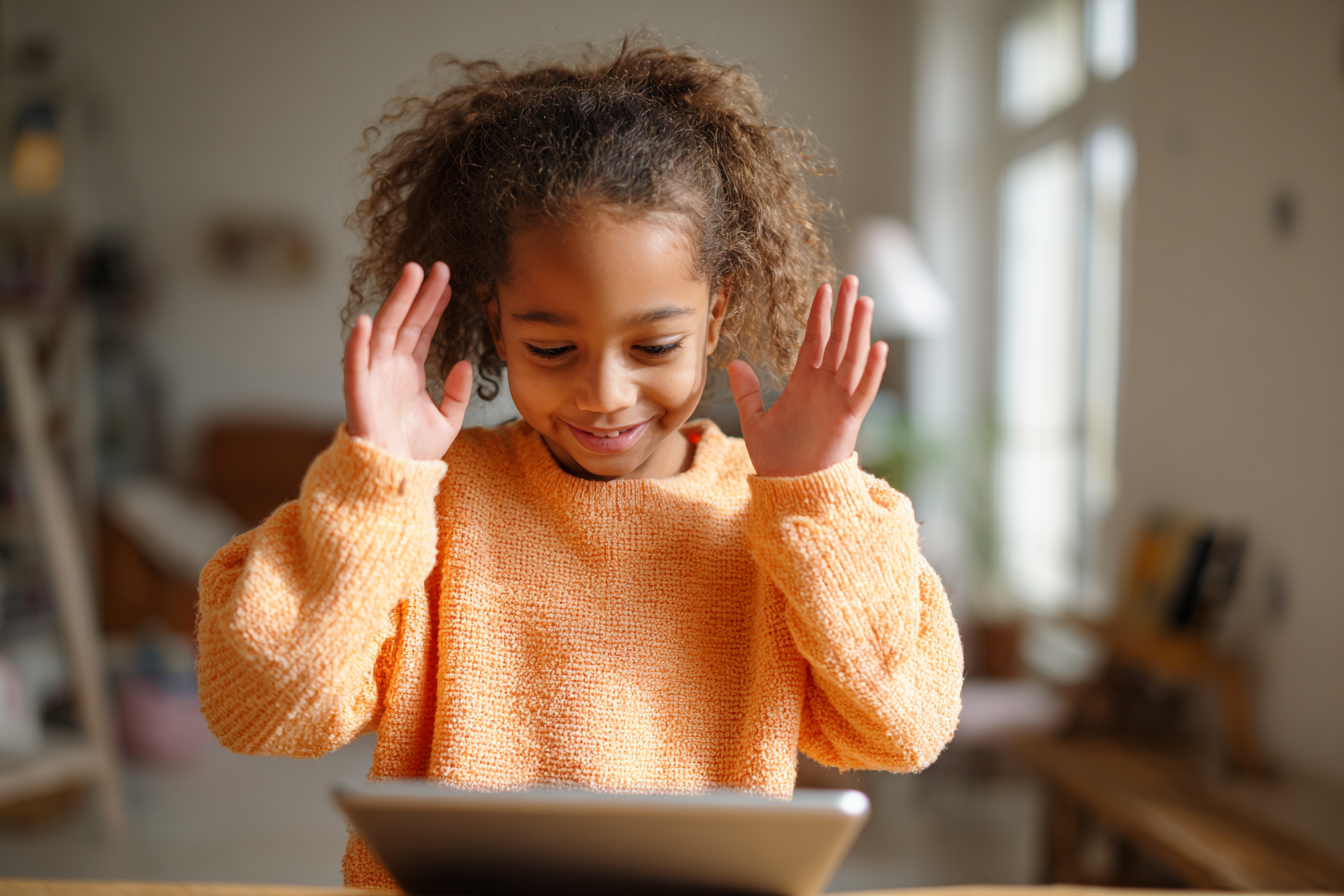
One of the major challenges of online learning is the loss of attention. When lessons are limited to listening and watching, motivation drops rapidly. This challenge is even greater when we consider a clear trend: children and young people are spending more and more time in front of screens, whether for leisure, social media or study. In this context of digital overexposure, maintaining focus and interest becomes more complex than ever before.
This is where TPR makes the difference. As teacher Rogen Garcia points out: “Students lose interest if they are only looking at slides and listening. TPR boosts memory through actions and keeps them engaged.”
Movement introduces an element that breaks the passive dynamic associated with screen time. It forces the student to participate, react and engage physically with what they are learning. Instead of being just another spectator, the child becomes the protagonist of the lesson.
In an environment where digital technology tends to encourage a sedentary lifestyle, integrating the body into learning not only improves attention but also responds to a growing need: to transform screen time into an active, meaningful and truly educational experience.
The success of TPR in online classes depends not only on using it, but also on how well it is adapted to the student’s age, personality, and environment. Not all students respond in the same way to movement, and this is where the teacher’s ability to adjust the intensity and type of activity comes into play.
For younger children, learning happens almost naturally through physical activity. Broad, repetitive movements that are clearly linked to an action work best here: standing up, jumping, pointing at objects or imitating animals. For example, an instruction such as “jump like a frog” not only introduces new vocabulary, but also turns the lesson into a physical game that holds their attention.
With older learners, the approach changes. Movement remains useful, but becomes more subtle and functional. Instead of large gestures, facial expressions, small movements or visual cues are used to reinforce meaning and support communication. For example, when introducing emotions (happy, tired, excited), the teacher can accompany each word with facial expressions that help learners internalise the meaning without the need for translation.
Moreover, in the virtual environment, TPR relies on activities that connect the language with the learner’s real-world surroundings. Some of the most effective activities are:
This type of activity not only makes the session more dynamic, but also turns learning into a multi-sensory experience. The student listens, observes, moves around and participates actively.
A study by Shanxi Normal University, Linfen, China, shows that TPR:
Movement isn’t just an added bonus; it’s an essential part of language learning. Research and experience both show that engaging the body improves memory, reduces anxiety and facilitates a more natural acquisition of the language.
“Use body movements even if they are small. Online teaching works best when it is simple, fun, and focused on the student,” says Sullivan, who highlights that in a digital environment, where attention spans are shorter, TPR becomes an indispensable tool because it not only keeps children active, but also allows them to experience the language in a more dynamic and engaging way.
At Novakid, we believe in learning where children don’t just listen to English… they experience it with their whole body.
Book a free Novakid English lesson now and discover how far your child can go with the right support!


TPR stands for Total Physical Response, a language teaching method that connects language with physical movement. It is based on the idea that students learn better when they associate words with concrete actions rather than relying only on translation.
Yes. When properly adapted, TPR is even more important in digital environments because it helps maintain attention and motivation. It also turns the screen into a more interactive space, preventing learning from becoming passive.
It is especially effective with young children, although it can also be used with older students in a more subtle way. The key is to adjust the intensity of the movement according to the student’s age and level of maturity.
It mainly improves listening comprehension, memory, and fluency, as well as reducing anxiety when speaking. It also encourages greater confidence when using the language in real contexts.
Games like Simon Says, charades, or activities using everyday objects are ideal for applying TPR at home. These dynamics allow children to learn English in an active, fun way connected to their environment.
Explore an English learning formula through a survey of 300+ Novakid teachers and original studies on language and memory that might answer the question “Is English an easy language to learn?”.
Is AI good or bad for school? NovaKid teachers share the pros and cons of AI in homework and how kids can use it the right way.
Individual or group lessons? Online or offline classes? Study with a tutor or an app? Exploring the benefits of one-on-one lessons over other types of classes.
Explore what research and teachers say about homework AI, the pros and cons of homework, and why kids need lighter tasks and smarter use of AI.
Is it possible for a child to master English in just three months? We dive into the scientific reality of language acquisition timelines vs. popular expectations.
Discover how attention spans and screen fatigue affect children’s learning, and which strategies help maintain focus in online English lessons.
We and our partners use cookies to improve your experience, personalize content and ads, and analyze traffic. By clicking 'Accept all', you agree to our use of cookies in accordance with the Cookie Policy.
You can personalize your choices by clicking on 'Cookie settings'.
We use four types of cookies on our website. You can learn more about cookies and how we use them here: Cookie Policy
Strictly necessary
Advertising
Analytics
Personalization