




Understand your child’s emotions - find out about emotional intelligence for kids and learn to identify emotions for kids. Check out our ideas!


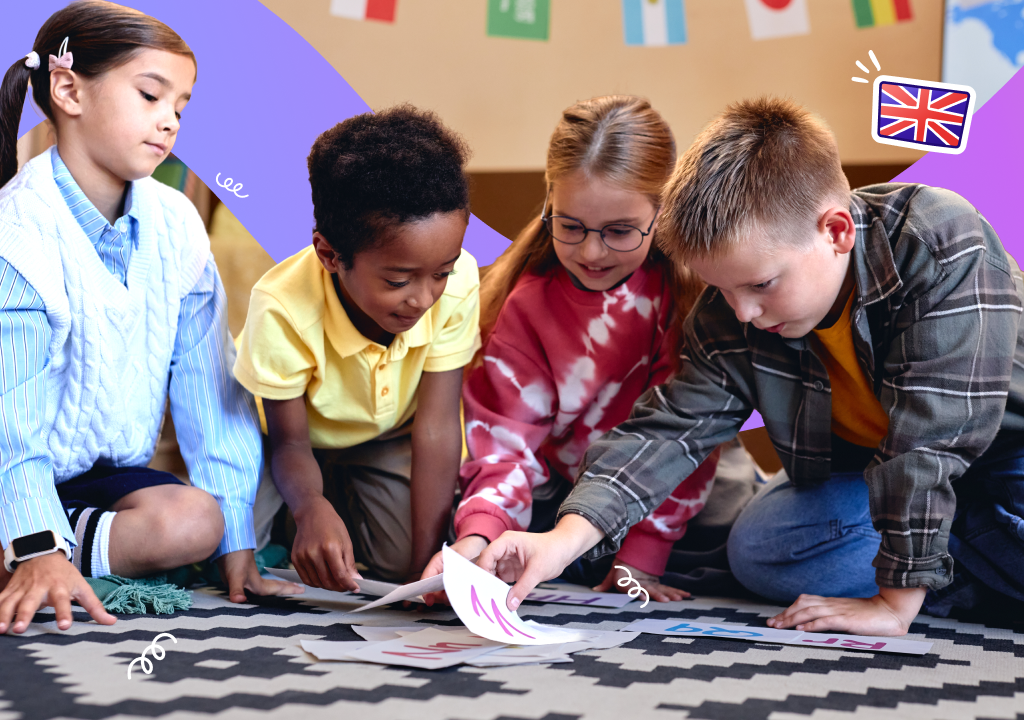
Are you wondering, “How do children learn language?” Specifically, English? Then, you’ve come to the right place.
As the parent of an English language learner, you probably have first-hand experience with the challenges of learning English and wonder if your child will experience the same challenges.
Well, I’m here to tell you that learning English is much easier for kids than adults. Actually, children’s brains are hardwired to learn language. And if that’s not convincing enough, I know a few practical strategies designed to help your child learn English as quickly as possible.
Let’s dive into the science of how kids learn language first, then we’ll explore some of my best strategies later on in this blog post.
Children learn languages like English because they’re born with billions of brain cells, millions of which control language. Early on in a child’s life, these brain cells—or neurons—connect with other cells and create pathways.
So when a baby hears English, for example, the language connections in their brain grow stronger. These connections continue to strengthen as the child hears the language over time and makes their own sounds in a process known as language acquisition.
Adults, by contrast, don’t learn English or another language simply through hearing or being exposed to it regularly.
Instead, they learn language through conscious, formal study of language grammar rules, vocabulary, and sentence formulation—otherwise known as language learning. This makes learning a language more difficult for them than it is for children.
In fact, according to the critical period hypothesis (CPH) theory, individuals can only achieve native-like fluency in a language if they learn it in the time window between birth and puberty. In other words, teenagers and adults won’t be as proficient in a language or be able to speak it with a native accent like a child would be capable of doing.

Children learn new languages more easily than adults because their brains are actively forming language connections during childhood. As we mentioned before, a child’s repeated exposure to and experience with the language also strengthens those connections.
However, by age 10 to 12, these connections are firmly established. Learning a new language thus becomes harder in adolescence and adulthood because a person’s brain is wired for the language they learned first.
At the same time, a research study published in the Current Biology academic journal reveals that children learn faster than adults. That’s because kids experience a boost in GABA—the neurotransmitter that helps them process new information and prepare to learn and store more—following learning sessions.
This helps children lock in information in mere minutes, allowing them to learn more things. In contrast, adults can take at least an hour to solidify information, increasing their risk of forgetting what they just learned—a process called retrograde interference.
Now that we’ve dispelled the idea that learning a language is hard for kids, let’s discuss seven ways you can build your child’s English skills.
Creating an English-friendly environment for your child is a part of immersive language learning, which a research study published in the Research Studies in English Language Teaching and Learning academic journal says supports faster language acquisition.
Here are some ways to go about it:
Reading to your child for just 15 minutes a day can go a long way as far as their language development.
Start by picking a picture book you think your child will enjoy. Slowly read each page aloud in English and explain in your child’s native language, if necessary.
Point to pictures to build understanding, and ask your child questions to make reading more engaging and interactive.
For example, you could point to a dog in a book and ask your child, “What is that?” Encourage them to respond in English.
If you make English learning fun for your child, they’ll look forward to lessons and retain more information.
A play-based learning approach includes incorporating word-picture matching games, in which your child matches a word like “apple” to its corresponding image.
You can also encourage movement to make learning memorable. For example, play “Simon Says” with your child to get them moving and strengthen their knowledge of English words for body parts.
You might say, “Simon says touch your head,” and watch as your child does just that.
Incorporating educational videos, music, images, animations, and other media into learning sessions improves your child’s knowledge comprehension and retention.
The Novakid YouTube channel is a great resource for animated storytelling videos and educational videos on different English words.
You can also use language learning apps to help your kid build their English writing, listening, speaking, and reading skills. The Novakid English School app takes English lessons to the next level by providing live, personalized lessons tailored to your child’s age and skill level.
Let your kid practice speaking entirely in English, even if it’s just for a few minutes. This will help them apply the knowledge they’ve gained at school and during your practice sessions.
For example, practice basic expressions and greetings by asking them “What’s your name?” and “How are you?”
Or, practice colors and numbers by asking “What color am I wearing?” while pointing to your shirt and “How many fingers?” while holding up a certain number of fingers.
Praise your child when they’re right and gently correct them when they make a mistake. The goal is to make steady progress rather than stressing perfection.
Homework is key to your child’s academic success and language development. In fact, 61.7% of respondents to our survey of 133 online Novakid English teachers said that children can’t fully learn English without doing homework.
To make sure your child actually completes their homework, create a routine. Set a regular time for you and your child to go over their work—ideally, before dinner and before they reach for their tablet!
Remember: you shouldn’t complete the work for them. Instead, check their understanding and pronunciation of vocabulary words, monitor their reading, and clarify if they have questions.
A language experience activity uses your child’s personal experience and knowledge to improve their reading and writing skills.
One example is asking your child to identify different objects around the house and explain how they use them in English, using the sentence stem “This is a ____. I use it to ___.”
So, if you point to a chair, you’d let them say single words at first (chair, sit), then help them say the whole sentence (“This is a chair. I use it to sit.”)
After that, you’d help your child write out the full sentence on a piece of paper, read it aloud with them, and save it for future reading practice.
Although there are several other ways to support your child’s English learning, successful language development ultimately comes down to consistency. Establish a routine to make sure your child regularly practices their reading, writing, listening, and speaking skills.
Although children learn English and other languages faster than adults, that doesn’t mean you should take a passive approach to your child’s learning. After all, you can’t depend solely on the teachers at your child’s school since they have countless other students to support.
By following our strategies, though, you can help your kid actively learn the English skills they need to speak confidently and fluently. And if you’re looking for one-on-one teaching support that your kid’s school can’t always provide, look no further than Novakid’s certified instructors. Just book a trial lesson today to see how our teachers can help your child master English.


It’s harder for adults to learn a new language because their brains are hardwired for the language they learned first. The critical period hypothesis (CPH) theory also says that it’s harder to learn a language outside of the time window between birth and puberty.
Language acquisition is picking up a language naturally and subconsciously through exposure and immersion, like how a child learns a language. Language learning is consciously studying the rules of language in a structured environment, like how an adult learns a language.
Andragogy is the method and practice of teaching adults. It’s self-directed, problem-centered, and learners are intrinsically motivated to learn. Pedagogy is the method and practice of teaching children. It’s teacher-led, topic-centered, and learners are extrinsically motivated.
Children learn differently from adults because neurotransmitters in their brains allow them to lock in new information faster. Children also learn fundamental skills through exploration, play, and guided instruction in school, while adults learn new information through college programs, training programs, and other options designed for lifelong learning.
Understand your child’s emotions - find out about emotional intelligence for kids and learn to identify emotions for kids. Check out our ideas!

There are many benefits of learning English language at an early age. Try English at an early age and understand the importance of learning English.
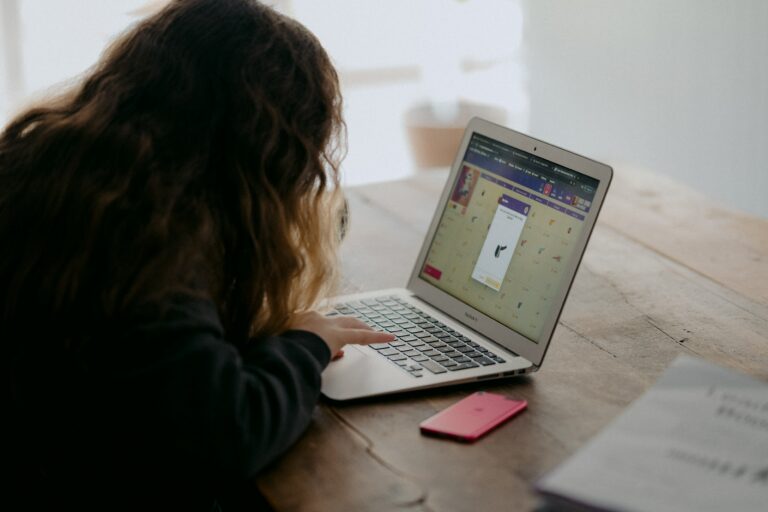
Studies show that we can be as effective while working and studying at home, as if we were doing it in the office or traditional school. This is why so many people started attending online courses, and they became such a hit.
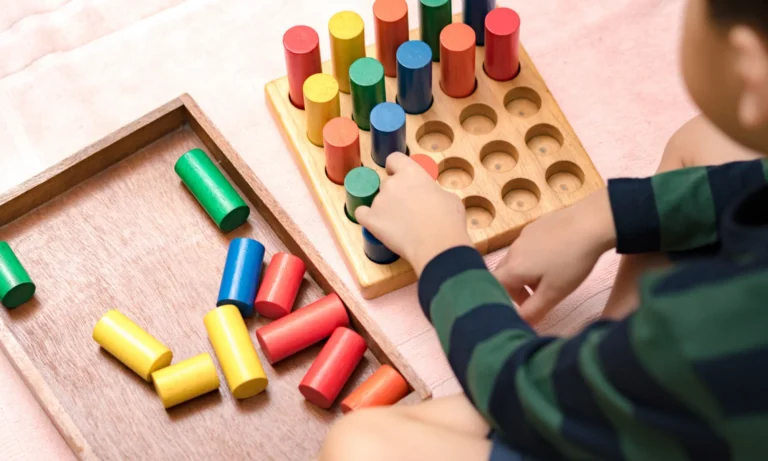
If you are a parent, you have probably heard about the Montessori Method many times in relation to a kindergarten or a school for your child. Let's see what is it and why is it so popular?

When people hear “English for kids” they associate it with something entertaining: playing, singing, dancing. Of course, if you only sing and dance, you won’t learn much. But if you prepare special English lessons and use singing and dancing as a learning tool, then it’s a whole different story.

How to teach time management? Find out Top 10 daily time management ideas for kids. Help your kid with development of time management skills.
We and our partners use cookies and similar technologies to improve your experience, personalize content and ads, and analyze our traffic. By clicking ‘Accept all’ you agree that your personal data and cookies may be used for ad personalization, including sharing with Google. For more information, read our Privacy Policy and Google’s Privacy & Terms.
You can personalize your choices by clicking on ‘Cookie settings’.
Find more information about what cookies are and how we work with them in our Cookie policy and Privacy policy
Strictly necessary
Advertising
Analytics
Personalisation


