



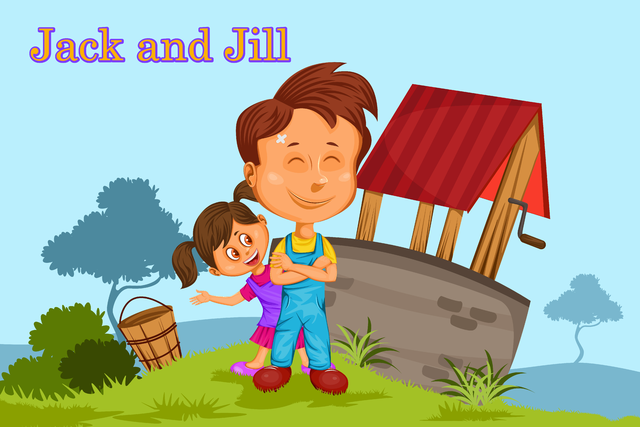
The article shows the most appropriate English poems for kids, including tongue twisters, and adds some related advice.

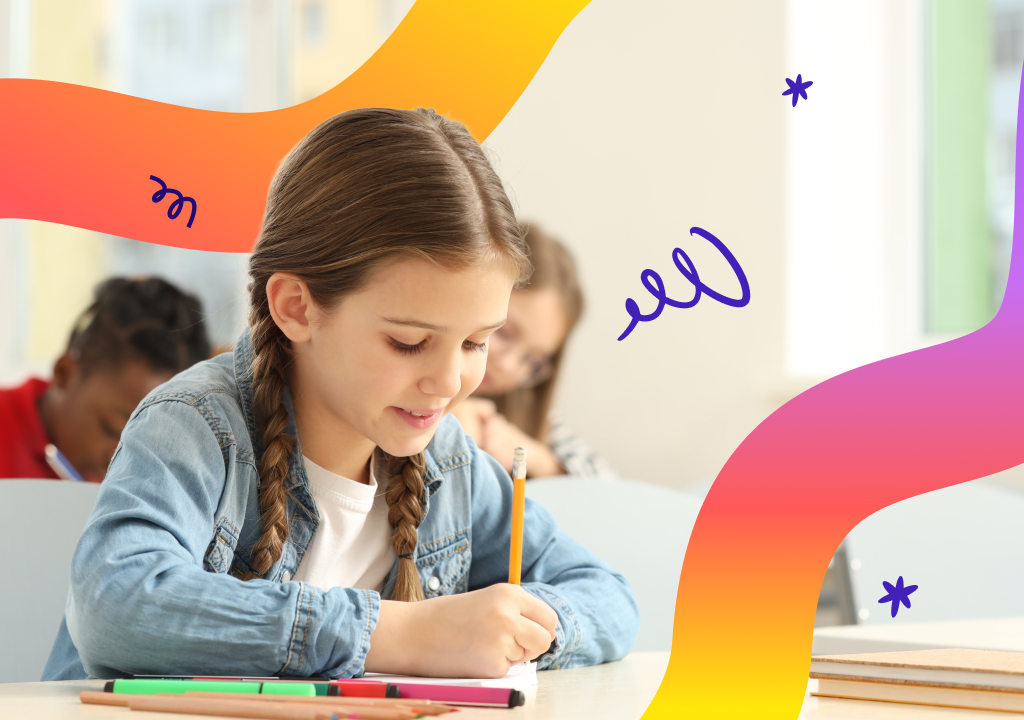
You sit down with your child, open a workbook, and quickly realize you’re not sure where to start.
What should you teach first? How long should the lesson be? And how do you keep your child engaged?
If you’re trying to teach your child English, you’re bound to ask yourself one or all of these questions. You might even begin to wonder if you need formal training to teach your child effectively.
Rest assured, you don’t need a degree. As for those other lingering questions about how to approach your child’s learning, our teacher-backed insights will make sure they don’t cross your mind again.
In this blog post, you’ll learn the essential elements of high-quality lessons, practical planning tips, and simple strategies to make English learning effective and enjoyable for your child.
A great English lesson has clear learning objectives, well-structured lesson plans, opportunities for practice, a fun learning environment, personalization, and real-world applicability.
Let’s explore each element in more detail.
A learning objective is what you hope your child will learn or take away from a lesson. It keeps your English lessons relevant and tied to specific outcomes.
For example, your learning objective for a lesson on articles in English might be “By the end of this lesson, my child will be able to identify the three types of articles in English and use them in sentences.”
A structured lesson plan gives you much-needed clarity and direction. You’ll know what to cover, how to cover it, and how to assess your child’s learning.
It also ensures your lesson content has a logical flow, which boosts your child’s comprehension and retention.
For example, a solid lesson plan structure will ensure you do a warm-up first, then present the topic and move on to practice later—instead of immediately starting with practice.
Speaking of, Teagan Evans, a Novakid teacher, says that great English lessons provide “plenty of opportunities to practice speaking, listening, and reading so that learners can actively apply what they have learned.”
Regular practice also enhances vocabulary retention, grammar comprehension, and fluency development, according to an academic article published in the Journal of Knowledge Learning and Science Technology.
No one wants to sit through a boring lesson, including your kid. Just think back to your schooldays when you spaced out as your teacher droned on about parts of speech.
Evans frames the benefits of engaging lessons this way: “When students are having fun, they become intrinsically motivated, which leads to deeper learning and greater long-term progress.”
Personalized learning “adapts to the individual learner’s needs, pace, and interests,” explains Evans. It’s because of this personalization that 63.9% of Novakid teachers think individual lessons work better for children, according to our 2025 survey.
Contextual learning—or connecting learning to the real world—is also important because it helps your child draw connections between lessons and their everyday lives, increasing comprehension.
By ensuring your English lessons have these elements, you can create highly engaging and effective learning experiences for your kid.
You don’t need a degree in education to create quality English lessons for your kid. Just follow these tips to make their learning fun and effective.
Before creating English lessons for your kid, Teagan Evans says you should “start by understanding your child’s current level and specific needs so you can target the right skills.”
For example, where does your kid rank in English proficiency? Are they A0, A1, or A2-level? And where do they excel or struggle (grammar, vocabulary, pronunciation)?
Once you determine that, you can create tailored lessons that meet your child where they are and grow their skills to where they need to be.
Use your needs analysis from earlier to establish clear learning objectives.
Evans says your objective can be “something simple like learning new vocabulary, practicing a grammar structure, or [anything] to give the lesson direction.”
You can use the following framework for your learning objectives:
“By the end of this lesson, my child will be able to [describe desired action or behavior].”
If you were doing a lesson on the present simple verb tense, your learning objective would be: “By the end of this lesson, my child will be able to define the present simple verb tense and use it correctly in a sentence.
The right teaching materials and tools will bring your English lessons to life. They’ll also keep you organized so you can teach efficiently.
Here are some resources you can use to execute your lessons:
Well-structured lessons keep content and activities aligned with learning objectives and make sure your child achieves desired learning outcomes.
Evans recommends a simple structure: “warm-up, presentation, focused practice, and a short review.”
For example, for a lesson on collocations (e.g., make your bed, do homework), you might start with an activity connected to collocations, transition to introducing the topic, let your child practice collocations, and then recap the lesson.
Other ESL lesson planning frameworks include:
Your lessons should engage your child, not put them to sleep. Evans adds, “When lessons are purposeful but fun, children stay motivated and build lasting confidence in English.”
Add the following elements to make your English lessons more enjoyable and interactive:
With a clear roadmap for creating great English lessons, you spend less time stressing over logistics and more time tailoring your content to your child’s specific interests and needs.

Here are some general strategies to use for your English lessons to enhance your child’s learning:
Ultimately, Evans says parents should keep one key principle in mind when teaching their child English: consistency.
“Language learning is built through repeated exposure and use over time. Therefore, trying to create small daily opportunities to hear and speak English can make a significant difference,” she says.
Here’s a sample English lesson that uses the PPP method and focuses on greetings in English:
| Stage | Activity | What to Do | Time |
| Warmer | Greeting Game | Greet your child naturally (Hello!). Ask “How are you?” Model “I’m fine, thank you.” Use a toy to make it playful. | 5 minutes |
| Presentation | Introduce Greetings in English | Teach the greetings:
Say each phrase slowly. Model a short dialogue and explain when to use morning vs. afternoon. Play an animated video focused on using English greetings in different scenarios to strengthen understanding. |
10 minutes |
| Practice | Guided Roleplay | Take turns greeting your child in different situations (at school in the morning, at dance practice in the afternoon, at a parent-teacher conference in the evening).
Provide prompts and correct gently. |
10 to 15 minutes |
| Production | Independent Mini Conversation | Your child starts the conversation. They greet you and ask, “How are you?” You answer and ask them the same question. You encourage them to use the full phrase and provide feedback. |
10 to 15 minutes |
| Wrap Up & Review | Lesson Recap With Questions | Recap the greetings lesson and ask questions like:
|
5 minutes |
Yes, you can use AI tools like ChatGPT to create English lessons faster and make your content more personalized and engaging.
Evans recommends using AI to:
However, you shouldn’t use AI to replace one-to-one teaching, simply because AI tools can’t substitute empathetic, human instruction. In fact, our survey found that 62.4% of teachers said that AI can only support—not replace—human teaching.
That’s because “children need feedback, patience, and genuine conversation to build confidence and communication skills, says Evans.
She adds, “While AI can help parents save time and feel more organized, the most meaningful learning still happens through supportive guidance and real-world practice with a parent or teacher.”
Teaching your child English becomes much easier when you have expert-backed advice to rely on. But even with our step-by-step guidance, you might find that your child requires deeper expertise and more targeted intervention than you can provide.
In that case, we recommend signing your child up for expert-taught English lessons. Fortunately, we offer interactive lessons taught by certified, native-speaking teachers. Book a free lesson today to see how Novakid can help your kid learn English twice as fast.


What was the problem?
Siri was only three years old when she started lessons, and understandably found it difficult to concentrate for more than a few minutes. She would quickly lose interest, become distracted, or wander away from the screen.
How was it solved?
I broke the lesson into smaller, bite size pieces, often only covering half the usual content per class. This flexible approach allowed time for more songs, games and playful interactions, whilst still meeting the lesson objectives. I used a lot of props, puppets, and real objects to keep Siri engaged, sometimes even letting the puppet “become the teacher”. She received frequent praise and rewards to encourage participation.
What was the outcome?
Siri started to participate for longer stretches of time and started understanding and using more English words. Her growing comprehension boosted her confidence and she became eager to join in our games and songs each lesson.


Establish clear learning objectives, use a framework like Presentation-Practice-Production (PPP) to structure lessons, and incorporate fun activities and exercises to help your child apply learning and achieve outcomes.
The 7 E’s of a lesson plan are elicit (identify students’ prior knowledge), engage (spark their curiosity and interest), explore (students investigate a topic), explain (introduce concepts based on students’ understanding), elaborate (students apply their learning), evaluate (assess student knowledge), and extend (ask students to apply concepts to new situations).
The article shows the most appropriate English poems for kids, including tongue twisters, and adds some related advice.

Speak English like a native speaker! Meet native English speaker, who will make you fluent in English. Improve your accent and pronunciation now!

See what 130 teachers say about how to track your child’s progress in English and how to set realistic expectations for learning and fluency.
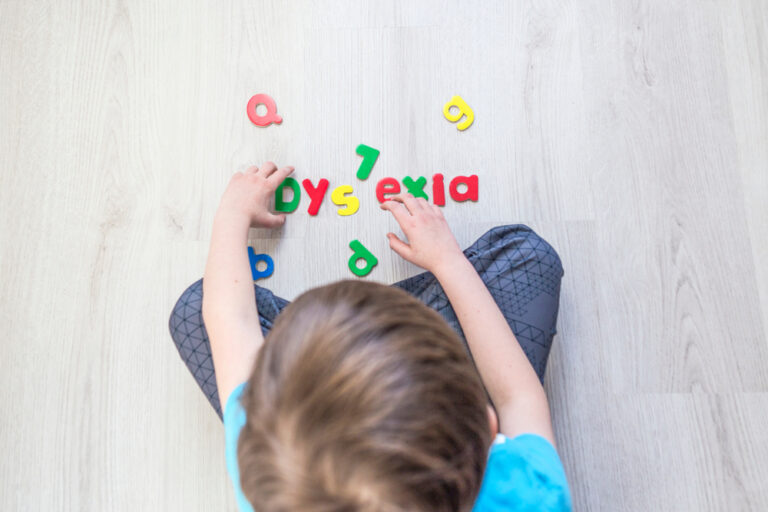
Dyslexia is a learning disability that affects many students. Kids with dyslexia have difficulties with reading and spelling. Find out how to help children with dyslexia.

Modern methods of teaching a foreign language include a lot of unconventional approaches, especially when teaching English to kids. If you compare teaching kids to teaching pre-schoolers, it certainly seems unorthodox, because the principles and approaches are totally different.
This article explores the topic of concentration - why is attention span critical to the success of learning a language and what is the perfect length of a lesson for a child.
We and our partners use cookies and similar technologies to improve your experience, personalize content and ads, and analyze our traffic. By clicking ‘Accept all’ you agree that your personal data and cookies may be used for ad personalization, including sharing with Google. For more information, read our Privacy Policy and Google’s Privacy & Terms.
You can personalize your choices by clicking on ‘Cookie settings’.
Find more information about what cookies are and how we work with them in our Cookie policy and Privacy policy
Strictly necessary
Advertising
Analytics
Personalisation


