
In this article we explain how to find a perfect ESL teacher depending on a learning style.


Insights from English teachers on children’s speaking confidence, vocabulary retention, home practice, AI and the role parents play in language learning.
Read moreIn this article we explain how to find a perfect ESL teacher depending on a learning style.

Sign up for a trial English lesson at Novakid

Wondering if learning English is difficult? Learn what makes English hard, how long it takes to learn, and whether it’s really the hardest language out there.

A survey of over 130 English teachers reveals why English classes still matter for kids in the age of AI.
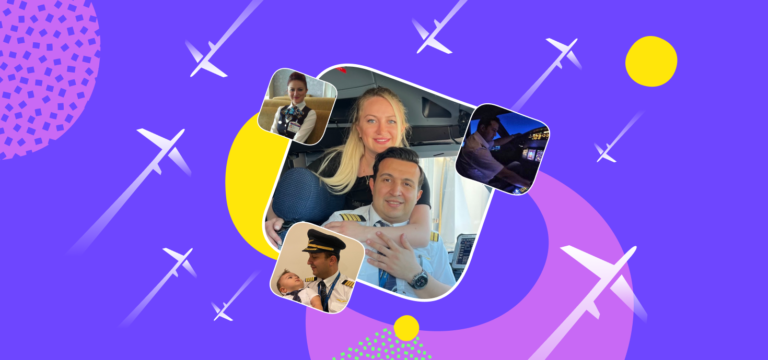
English is the language of professional communication in all kinds of fields, and one of them is aviation. Turgay and Naz have been flying for more than ten years, and happily talked to the Novakid Online English School editorial team about English ‘in the sky‘.

Can you remember when you learned how to swim? Were you inside or outside of the water? Did you learn by staying away from the water and reading about swimming? Probably not. You began learning only when you were in the water.

Discover simple daily micro-habits that help children learn English at home. From morning routines to bedtime stories, learn how to make English part of everyday family life.

Discover 10 techniques to reduce nervousness when kids speak English, based on insights from 347 Novakid English teachers and research on language anxiety.
A detailed explanation of what CVC words are and why they are important when children learn English.

Motivating children to learn English can be challenging for parents or teachers from time to time, especially when the child is not willing to learn. Find out what strategies can help you keep your child’s motivation high while learning English.

A thoroughly researched explanation from an English teacher about how long it usually takes a child to become fluent in English, including a breakdown of skills that can be achieved after a certain amount of time.

Is English fluency a natural talent or the result of early immersion and practice? Find out what research and over 100 Novakid teachers reveal.
We and our partners use cookies to improve your experience, personalize content and ads, and analyze traffic. By clicking 'Accept all', you agree to our use of cookies in accordance with the Cookie Policy.
You can personalize your choices by clicking on 'Cookie settings'.
We use four types of cookies on our website. You can learn more about cookies and how we use them here: Cookie Policy
Strictly necessary
Advertising
Analytics
Personalization