




Discover the 10 most basic English grammar rules with simple explanations and examples. A clear “grammar for dummies” guide to help improve your English grammar usage fast.


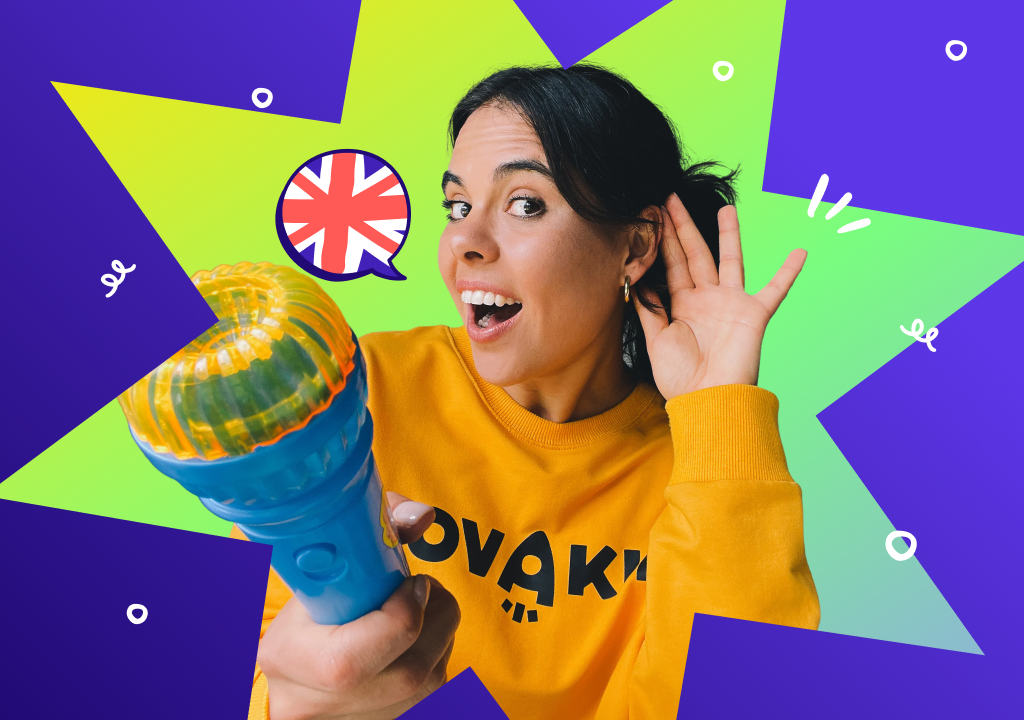
Learning English can be fun. It doesn’t have to be a class involving boring memorization of vocabulary and grammar. According to the University of Massachusetts Amherst, learning English can be more effective through gamification than traditional methods.
Engagement and retention of the lessons are higher when we include games to learn English. There are many fun activities suitable for different age groups. Fun action games and lively songs are great for young children. Roleplaying or hobby-related activities can catch “tweens” or older kids’ attention.
A lot of children face many problems in learning English. Examples are difficulties in pronunciation of new words, lack of practice, limited vocabulary, and low self-confidence. But these can be managed by studying in relaxed classroom settings where children can easily express themselves with less pressure.
Why add games to the lessons? And how to make them fun? Most of the time, kids were too shy to respond to the teacher’s prompts. And sometimes, they rarely answer questions confidently because they are afraid of making mistakes. Older kids might also be embarrassed to say the wrong answers. A playful approach to learning English helps children feel comfortable and eager to participate.
Integrating games into English lessons has many advantages.
Acquiring English vocabulary is one of the building blocks of learning the language. Here are some simple games to learn words in a fun and easy way. English learners of all ages can play them with little to no materials needed.
This game is great for visual learners who like to draw. Draw a picture, guess what it is! Pictionary can be played in teams, and each team member can take turns drawing or guessing. It is especially popular with teenagers. Each correct answer earns the team one point, and the team with the most points wins. Students can use context clues to figure out the meaning of new words or phrases.
A collection of pictures of the target language may be needed, but household and school items can be used, too! Say the word and let the children look for an item or a picture! You can use vocabulary topics such as animals or emotions to make the game more engaging.
A learner who likes to be challenged with quick memorization? Have two sets of flashcards of pictures or words, and put them face down in random order. Then, let the kids find the pairs while saying the word! This game works well with vocabulary themes like animals and emotions.
A great activity for kinesthetic learners who like to dance and move around! Show an action (or dance it!) and let the kids guess what it is! The entire family can even play it! Charades can be played in teams, with each team member taking turns acting. Each correct answer earns the team one point. Students can use context clues to figure out the meaning of new words or phrases.

Word Train
This activity may be more suitable for older kids or those who have a wider vocabulary. Say a word, and the student thinks of a word that starts with the last letter of the word. The train can be as long as you’d like it to be! (Ex, apple- egg – goat – tree, etc.) We can also adapt this fun activity for different subjects, such as science or English. Students can practice forming complete sentences using the words from the train.
Hangman
Hangman is a classic vocabulary and spelling game suitable for all ages. One player thinks of a word, and the others guess letters to figure out the word. It helps reinforce spelling and vocabulary skills, and can be played with any subject or topic. Each correct word guessed earns the team one point.
These activities can help students learn common expressions and practice using them in context. Students can act out dialogues or create their own, using expressive gestures to convey the meaning of new words or phrases.
There are many English media available on the internet that children are exposed to every day. So, why not use them? Media-based activities are a helpful strategy for teaching English. This makes learning more approachable for them.
We can add engaging tunes to our kids’ English lessons!

For younger kids, we can encourage them to sing and dance to the music by adding action words into the song’s lyrics. Older kids can work on their pronunciation through sing-alongs, and practice their listening through dictation activities. They can also hone their memory retention skills through lyric gap-fills. They can also improve their fluency through discussions of song themes.
Exposure to different forms of English, such as various accents and pronunciations in music, helps students understand the diversity of the language. Thus, setting English to music can be very beneficial to learning the language, especially to musically inclined children.
Kids who are more attuned towards reading and writing would love this activity! For younger kids, you can do reading activities and have reading comprehension checks. If that’s a bore, then create more challenges. Cut the comic strips and have them sequence their story. Bonus: You can cut a scene and let the kids guess what happened, or remove the ending and let the kids create their own ending!

According to the National Library of Medicine, less-than-a-minute clips are proven to cause shorter attention spans in people. However, they are everywhere. But they can be useful to practise English. An activity called “Guess what happens next” is a fun activity to activate kids’ critical and creative abilities. It can also help develop their speaking skills in a non-serious way. Playing games with media content, such as guessing or sequencing activities, can make lessons more interactive for students.
The English language can also be learned through cartoons. In fact, there are many videos out there that target kids to learn English. Entertainment through cartoons makes learning English enjoyable and keeps children engaged. One great example is Dora the Explorer. Dora, the main character, says vocabulary clearly and repeatedly, which makes it easy for young learners to replicate the words easily. Many cartoons also focus on themes like friendship, helping children learn positive values while practicing English.
We hope these activities will inspire students to enjoy learning English.
How to tell kids’ English language skills? Let them show off their English abilities through outputs and creations! This can sound intimidating, but with the right approach, kids can definitely create something beautiful in a foreign language.
If your kid has a knack for poetry, this could be an appropriate activity to develop their writing and grammar skills in a low-risk setting. An activity for all ages, and a great way to express your kids’ artistic abilities. There are many poems for children in the English language that could enhance their vocabulary. For example, they can use all the words they’ve learned in class and create a rhyming poem. Similarly, children can also write their own lyrics and chants!
This activity is ideal for kids who like reading and writing. You can explore different themes and characters! Also, roleplaying can increase students’ confidence in speaking and listening in English.
Many parents frequently ask how to make English lessons for their children more fun. This is also the question that teachers ask themselves all the time. With the constant stimulation from devices that the kids use every day, educators also try to keep up with the demands of the fast-paced digital world.

One of the important steps in making English lessons effective is to choose the right resources. We need to select materials that support language development. And of course, they should spark curiosity, too.
We also have to make sure that they enhance different skills. These include listening comprehension, speaking English, and building English vocabulary. It can make all the difference in the classroom. Here are some essential criteria to consider when picking out fun games, ESL games, and other educational resources:
Fun games and activities should match the developmental stage and interests of your students. If they are too advanced or too simple, it can lead to either frustration or boredom. To avoid this, choose the materials that are designed for the specific age group.
For example, for young learners, focus on building their vocabulary. For older kids, make the lessons relevant to their hobbies and interests. If they like comics, ask them to describe their favorite characters. There was a student who liked to collect Pokémon cards. The teacher asked him how he got the special cards and how much they bought them.
Choose ESL games and activities that require students to listen, speak, and interact with each other or the teacher. Interactive resources help make learning English feel like play. Examples are board games, digital apps, or group challenges. Even simple games like “Guess Who I am!” and “Draw the Missing Parts” are great! What’s important is that they allow children to actively participate!
Effective resources should target essential language skills, including listening comprehension, speaking, and vocabulary building. For example, games that involve listening to instructions, guessing words, or using new phrases in context. It is also good to think of the weaknesses of your child so you can focus on them. Does your young child need more practice on their reading skills? Try doing a Phonics Chant! Let older kids watch English videos with English subtitles. And before they know it, they’re already reading many words with less effort.
Every resource should have a clear purpose. Is it to practice new words, improve pronunciation, or develop comprehension? Our class materials must align with our lesson goals. Fun activities are most effective when students’ progress is visible. If the goal of the lesson is to improve their pronunciation, try to look for materials that focus on speaking. Some of the example activities are chants, songs, and roleplaying.
Choose resources that are easy to adapt to different class sizes, learning styles, and proficiency levels. Whether you’re teaching one student or a whole group, having flexible materials allows you to tailor your lessons to meet the unique needs of your students. How to make individual lessons less boring? Focus the materials around their interests, which they can relate to. How about for group classes? Prepare activities that focus on teamwork and collaboration such as roleplaying, “Two Truths and One Lie,” “Hot Seat,” and many more.
Young kids are more drawn to colorful visuals, lively sounds, and creative designs. Select materials that use images, sounds, and videos to support their understanding. These also make lessons more memorable. Visually appealing flashcards and pictures are important for learning vocabulary. Songs with lively beats are great for listening activities.
Pick games and activities that create a positive, low-pressure atmosphere. It is best when students feel comfortable trying new things to build confidence. You can try Pictionary and Charades as great warm-up exercises to lighten the stress. Most of all, activities that encourage teamwork and friendly competition foster a love for learning English. Providing positive feedback can give a boost to their confidence, too!
By keeping these criteria in mind, you can select resources that make English lessons more fun and also support meaningful language development. Try to mix fun games, interactive activities, and age-appropriate materials in the lessons. Students will definitely look forward to every English class and make steady progress in their listening, speaking, and vocabulary skills.
Before creating lessons, we should always put the children’s learning needs first. We can ask ourselves, “What are the various interests of today’s children? How could we use these interests in their English lessons to make a more meaningful and fun way to learn English?”
Novakid integrates games and fun activities into every English lesson. In every topic, a fun activity is waiting for students. This will help them focus on building confidence to lessen the pressure in learning English. Many kids are too shy or afraid of making mistakes, especially in speaking. Having games in English lessons minimizes the fear of speaking English with their foreign teachers.
Want to have fun learning English? Register Now!


Discover the 10 most basic English grammar rules with simple explanations and examples. A clear “grammar for dummies” guide to help improve your English grammar usage fast.

Explore the benefits of hybrid learning models in English education. Understand what hybrid learning means, its advantages, and how it supports ESL students with flexible, tech-enhanced lessons.

Discover effective techniques for practicing English spelling with our comprehensive guide. From fun activities to helpful tips, learn how to improve your spelling skills and boost your confidence.

A lack of confidence may slow down children’s learning progress. In this article a Novakid teacher shares seven tips on how to boost confidence while learning English - from building a positive mindset to to creating a language environment.
Third-grade ESL learners, typically aged 8-9 years old, are at a developmental stage where they are curious and eager to learn. They thrive on hands-on activities and interactive learning experiences.
From analyzing movie scenes to decoding viral memes, with the right approach pop culture provides some practical strategies that turn cultural phenomena into effective language-learning tools.
We and our partners use cookies and similar technologies to improve your experience, personalize content and ads, and analyze our traffic. By clicking ‘Accept all’ you agree that your personal data and cookies may be used for ad personalization, including sharing with Google. For more information, read our Privacy Policy and Google’s Privacy & Terms.
You can personalize your choices by clicking on ‘Cookie settings’.
Find more information about what cookies are and how we work with them in our Cookie policy and Privacy policy
Strictly necessary
Advertising
Analytics
Personalisation


