




This article shows how to use charades in English lessons to enhance vocabulary and have fun at the same time.


Content and language immersion, 3D tours and VR technologies: what does the Virtual Explorer course consist of on the Novakid platform?
The Virtual Explorer course consists of over 60 themed VR trips to the most amazing places in the world: the Galapagos Islands and Iguazu Falls in South America, as well as museums in London, Paris and Washington. Kids will be able to observe penguins in the Antarctic and marvel at cave paintings in Altamira in Spain with their own eyes. Also, Novakid virtual 3D tours will allow them to explore the first aeroplane ever made from the inside, “go shopping” for spices at the Indian market, ride a skateboard in London, and even visit the Lord of the Rings shooting site in New Zealand! During the lessons, children will explore the world together with the teacher and talk about it in English.
“There are words and sets of lexical and grammatical constructs that come with each lesson, and kids will have to use them during their “trips” with the help of the teacher. Other than language skills, we also help develop their critical thinking and creativity: for example, during one of the lessons children can come up with their own video game”, says Amy Kroveletskaya, the head of educational programs at Novakid.
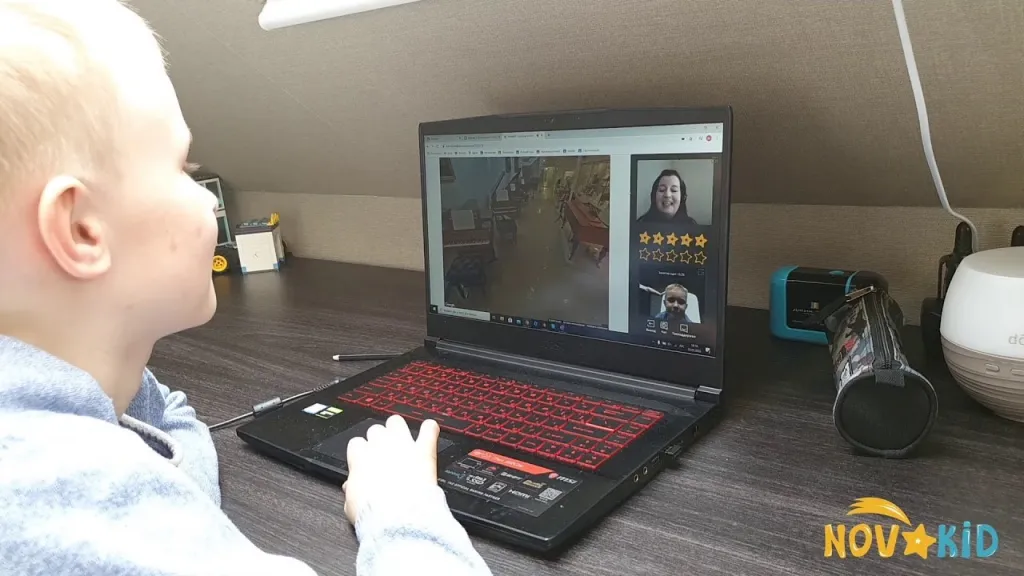
The Novakid Virtual Explorer course is based on Content and Language Integrated Learning (CLIL). This method was created by David Marsh at the end of the last century, and its main principle is learning a foreign language through authentic topics and materials in the given language.
“Why learn a language if it has no meaning? That’s exactly the reason why kids often encounter obstacles when learning a foreign language”, he says.
CLIL allows students to stop viewing the language as a subject and learn to use it as a tool instead, to learn something new and expand their worldview.
This method is aimed at students who already have an intermediate level of English. Besides, the topics of virtual trips might seem too difficult to understand for younger kids. That’s why Novakid methodists recommend the Virtual Explorer course to older students of 11-12 years.
“When choosing the topics for lessons, we always consider the individual particularities of the kids of this age, but the most important factor is the relevance of the chosen topic. For example, protecting the environment is an important global topic, and we talk about it on some of our virtual trips. On the other hand, when choosing content for new lessons we try to consider the cultural background of our teachers. Novakid is an international community, and we share special things about our culture with each other and teach them to our students”, says Amy Kroveletskaya.
Thanks to panoramic 3D tours, students can “travel” without leaving the comfort of their home: [panoramic slides can rotate 360°, which allows students to study every detail.
“The most important thing is that kids can see and walk around the places, and then discuss them together with the teacher. It’s an interesting and engaging adventure for them, and the VR tech makes it feel very realistic”, remarks Amy Kroveletskaya.
All the Virtual Explorer lessons are conducted on the Novakid platform, you do not need to install any additional software for it.
Every month, the Novakid methodists create new engaging tours for the Virtual Explorer course. In the new lessons that launched on the Novakid platform in October, students can learn about ecotourism and mass tourism together with the teacher and visit 8 new countries: New Zealand, Iceland, Morocco, South Africa, Japan, India, Turkey and Brazil, and learn to talk about their ambitious plans for future travel.
You can sign up for a free trial lesson at Novakid at our website.


This article shows how to use charades in English lessons to enhance vocabulary and have fun at the same time.

Children easily remember long verses and sing them skillfully, imitating the intonation without even fully understanding the content and lyrics. How do they do it? It’s a mystery!

You can start learning English at any age. Both 3 and 4-year-olds as well as adults and even seniors can learn. Of course, in the case of foreign languages, the sooner we start learning, the better the chance we have to master the language.
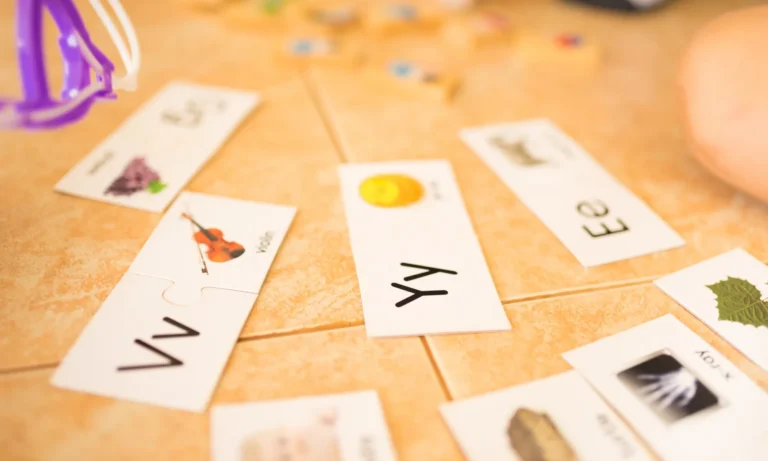
Many parents surely associate the flashcards with the time when they were still in school themselves. No wonder, because this method has been eagerly used by students of all ages in United Kingdom and around the world for many years.

Do easy Christmas crafts for kids this Christmas. Learn Christmas vocabulary and find Christmas activities for families. Make some Christmas cards.
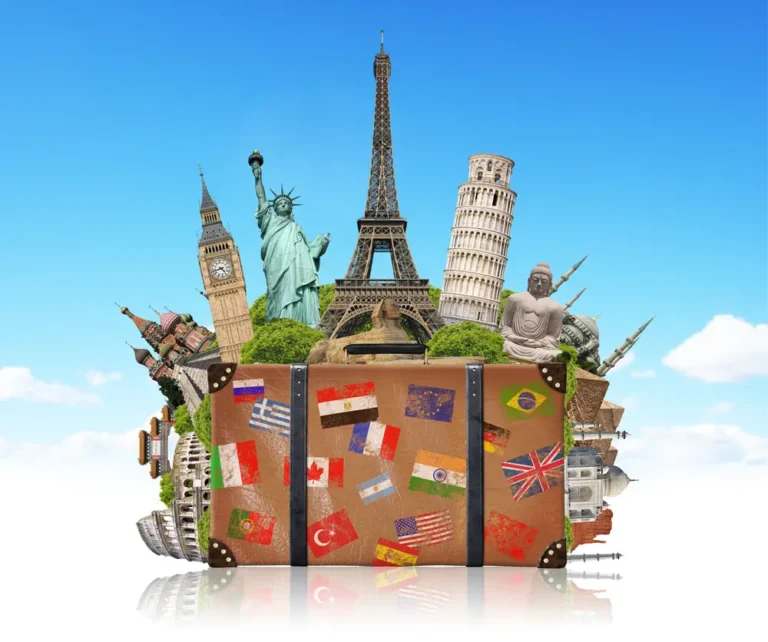
4 new English lessons await our young travellers on the Virtual Explorer course at Novakid.
We and our partners use cookies to improve your experience, personalize content and ads, and analyze traffic. By clicking 'Accept all', you agree to our use of cookies in accordance with the Cookie Policy.
You can personalize your choices by clicking on 'Cookie settings'.
We use four types of cookies on our website. You can learn more about cookies and how we use them here: Cookie Policy
Strictly necessary
Advertising
Analytics
Personalization