



Find out what research and Novakid teachers say about the limits of learning a language by immersion, how language listening alone fails, and why structured teaching and practice turn exposure into fluency.

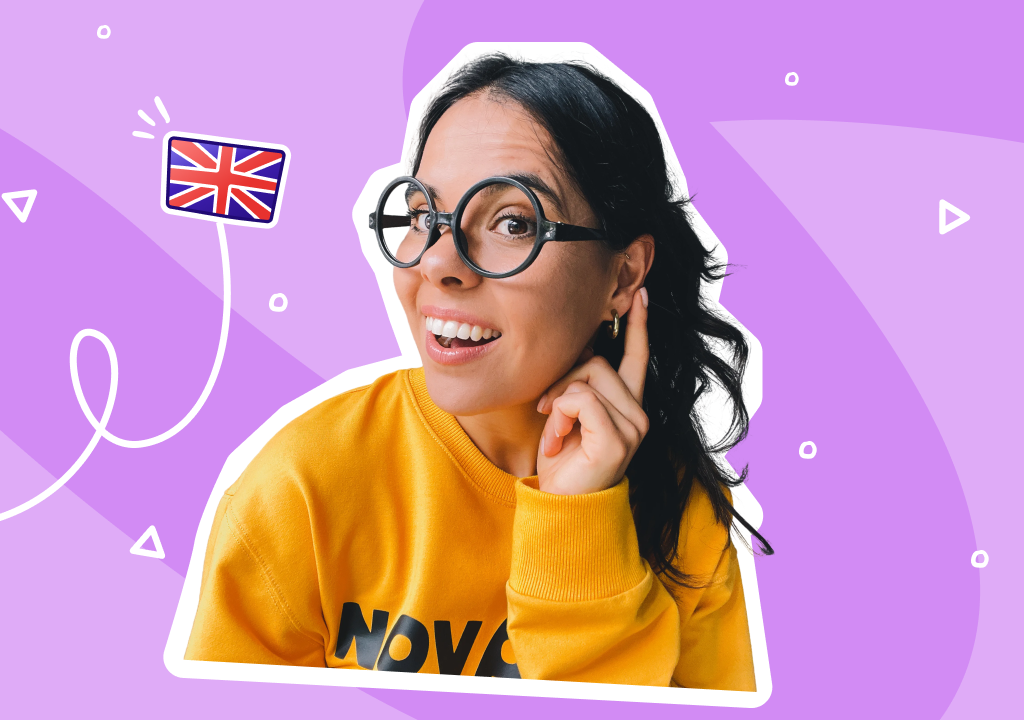
Total Physical Response (TPR) is a dynamic teaching approach where language is closely linked to movement and actions. With TPR, students are encouraged to respond to spoken language with physical actions, rather than being expected to speak immediately. By acting out what they hear, learners can connect meaning to language more naturally and with less pressure. This approach is especially effective for young learners and beginners, as it supports understanding before verbal production.
TPR is based on the way children naturally learn their first native language. As infants, we do not begin by speaking, instead we start by responding to gestures and actions such as waving goodbye, pointing, or reaching for objects. Parents and caregivers consistently pair these gestures with spoken language, which helps children understand meaning long before they use spoken words themselves. Over time, gestures turn into spoken responses. TPR aims to replicate this natural learning process in the classroom, allowing learners to build comprehension, confidence, and memory through movement and actions. This makes TPR one of the most effective teaching approaches for learning English. For more teaching approaches used by our Novakid teachers, see the top 10 new modern methods of teaching English.


At Novakid, our experienced teachers are trained in the use of TPR and it is integrated naturally into the classroom activities. Teachers constantly use gestures to supplement their verbal instructions, such as acting out the actions for “circle”, “draw”, “listen”, and “find”. Teachers also model actions for target language within the lesson, such as “jump”, “run”, or “swim”, and encourage students to model the actions as well. This physical involvement helps to keep the learners engaged within the lesson and supports communicative language teaching by linking meaning directly to the action.
In an online Novakid lesson, TPR teaching can be used in many practical and engaging ways to help support strategies for teaching English language learners. By combining spoken instruction with clear physical actions, teachers help learners understand meaning without relying solely on verbal explanation.
Some common TPR examples in the online classroom include:
These activities show how TPR teaching makes online lessons more dynamic, interactive and accessible, especially for young learners and beginners.
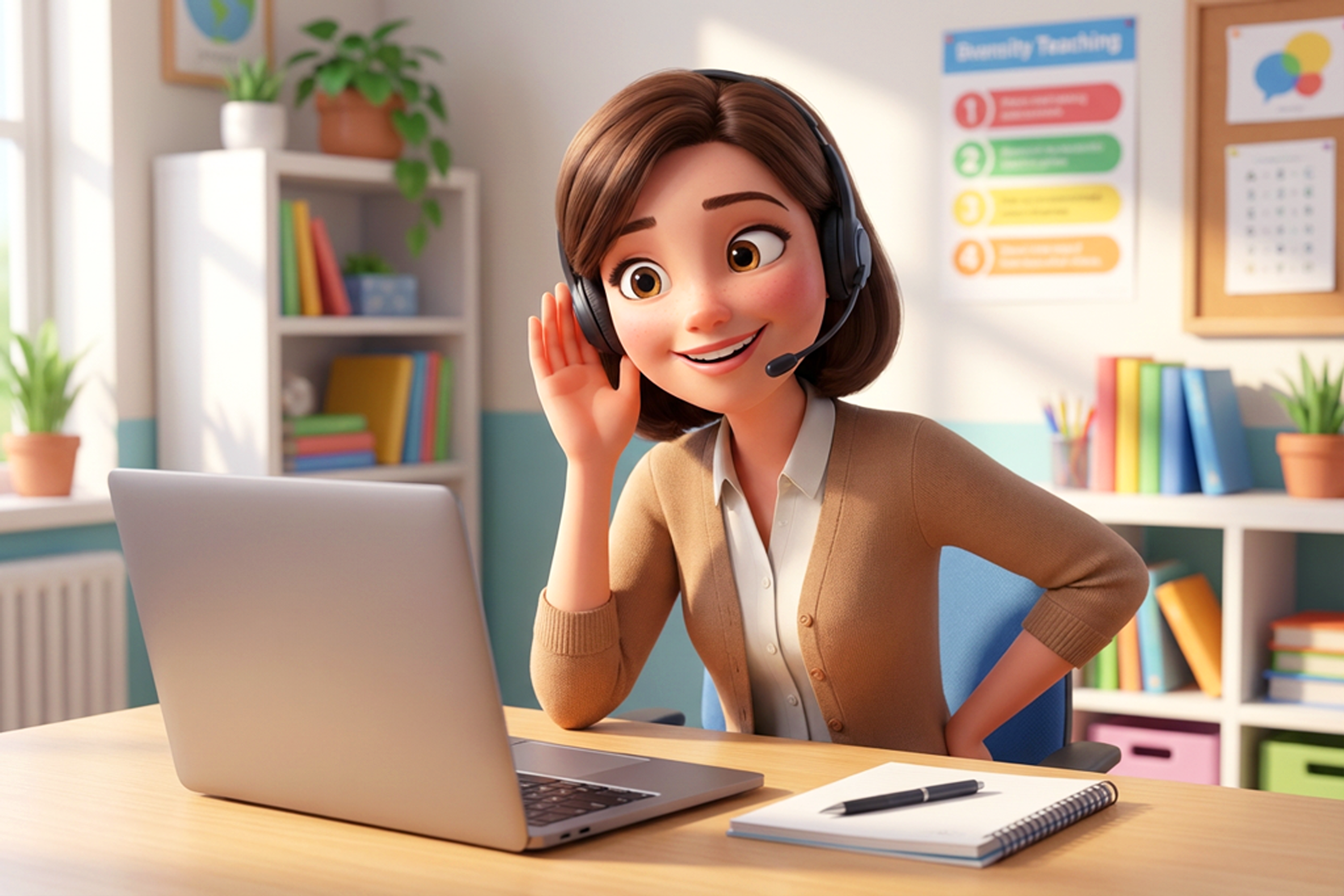
In an online learning environment, TPR teaching helps to bridge the gap between screen-based learning and real-world interaction. Novakid’s interactive platform encourages movement, imitation, and active participation, ensuring that lessons remain dynamic and engaging, as well as supporting long-term learning and retention.
Want to see TPR in action? Book a FREE trial lesson and experience how movement-based learning helps children learn to speak English with confidence.
Kawasaki, J. (2024) What is TPR for teaching English and how can I use it?, BridgeUniverse – TEFL Blog, News, Tips & Resources. Available at: https://bridge.edu/tefl/blog/what-is-tpr-for-teaching-english-and-how-can-i-use-it / (Accessed: 26 January 2026).
Rowland, M. (no date) Total physical response (TPR), The Teacher Toolkit. Available at: https://www.theteachertoolkit.com/index.php/tool/total-physical-response-tpr (Accessed: 26 January 2026).


Find out what research and Novakid teachers say about the limits of learning a language by immersion, how language listening alone fails, and why structured teaching and practice turn exposure into fluency.
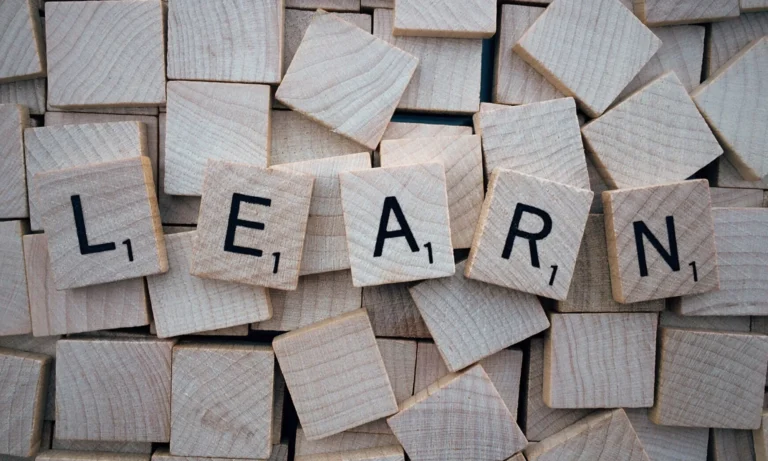
It is never too late to start learning a new foreign language! This applies to both children and adults. Of course, it is much easier for children than for adults to learn new words, phrases and concepts, but research shows that depending on systematic work and willingness, any person at any age can effectively learn a foreign language.

The article briefly describes learning disabilities and mentions how to help children with LDs

At Novakid, our native-speaking teachers come from the USA, the UK, Ireland, South Africa, the Philippines and other countries all over the world.

Understand your child’s emotions - find out about emotional intelligence for kids and learn to identify emotions for kids. Check out our ideas!
How can you help your child to learn English without them losing interest and motivation?
We and our partners use cookies and similar technologies to improve your experience, personalize content and ads, and analyze our traffic. By clicking ‘Accept all’ you agree that your personal data and cookies may be used for ad personalization, including sharing with Google. For more information, read our Privacy Policy and Google’s Privacy & Terms.
You can personalize your choices by clicking on ‘Cookie settings’.
Find more information about what cookies are and how we work with them in our Cookie policy and Privacy policy
Strictly necessary
Advertising
Analytics
Personalisation


