




From the confusion with grammar rules to challenges with oral comprehension - we explain what are the most common mistakes students may have while learning English and give some advice on how to avoid them.



Ah, irregular verbs – a thorn in the side of generations upon generations of students. No wonder, as they follow neither rules nor logic when conjugated in different tenses. The only way to memorise them is – well, memorise them.
The school textbooks list irregular verbs in alphabetical order. Such a massive illogical table only makes you want to run away from it, not learn it. Do not be afraid, though; we know some life hacks to help you memorise irregular verbs quickly and easily.
Many irregular verbs do actually follow a certain pattern when conjugated. So, instead of one messy table we’ll make smaller logical ones. Here are some examples:

On the Internet, there are plenty of rhymes to help you memorise all the toughest verbs. There is no doubt that rhymes are much easier and cooler than tables.
The boss lose-lost-lost his honey.
It cost-cost-cost him a lot of money.
Or: When I grow-grew-grown
I wanted to fly-flew-flown
As I knew-know-known
I will wear-wore-worn a uniform.
The more absurd the rhyme, the easier it is to remember the words. This is how the memory device technique works!
For online schools, it would be a sin to pass on the opportunity to use their advantage and gamify the struggle of learning irregular verbs. You can memorise and practice irregular verbs with regular updates of Novakid interactive programs.
Quick Start
And finally, maybe as your power move, you’d like to learn the most common irregular verbs? Then here they are:
However, if you ever plan to brag that you know all the irregular verbs, you’ll have to try harder than that. In the English language, there are about five hundred of them. The majority are outdated, though, and out of use. Even the most erudite of Englishmen use no more than two hundred. If a kid has enough motivation and determination, they can learn them in two months, no problem!


From the confusion with grammar rules to challenges with oral comprehension - we explain what are the most common mistakes students may have while learning English and give some advice on how to avoid them.
Master the Present Continuous tense with examples and a test at the end of the article. Learn how to use it correctly and confidently with Novakid!
Master the Present Simple Tense! Explore its usage in sentences, from A to Z. Enhance your skills with online quizzes and exercises at the end of the article.

From articles to double negatives - these are the most common mistakes for ESL students and practical tips from a teacher on how not to make them.

In this article we explain how writing skills can help ESL learners and provide a few tips on how to improve them.
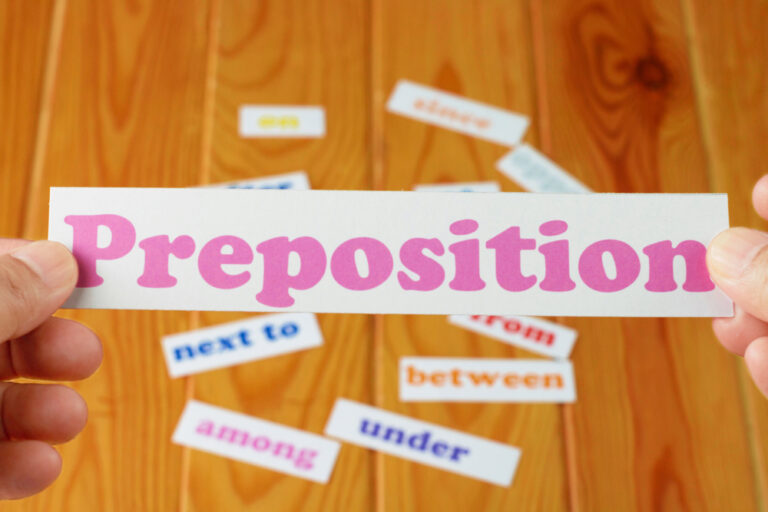
Learn about prepositions in English grammar with our fun and educational article for parents and kids. Check out the video with prepositions rules.

We and our partners use cookies and similar technologies to improve your experience, personalize content and ads, and analyze our traffic. By clicking ‘Accept all’ you agree that your personal data and cookies may be used for ad personalization, including sharing with Google. For more information, read our Privacy Policy and Google’s Privacy & Terms.
You can personalize your choices by clicking on ‘Cookie settings’.
Find more information about what cookies are and how we work with them in our Cookie policy and Privacy policy
Strictly necessary
Advertising
Analytics
Personalisation


