



This article shows how to use charades in English lessons to enhance vocabulary and have fun at the same time.


The word “gamification” has become very much part of our lives. New educational programmes incorporating games are fun for children and encourage them to continue their studies.
What could be more natural than a child playing? Happily immersed in the process, they learn about the world around them. Psychologists say play is especially important for young children.
Meanwhile, digitalization has made it possible to incorporate education into games. At the same time, experts note that children “take in” new material most effectively through game mechanisms. All because the child really gets involved in the process.
“Gamification is another way to help the teacher motivate the student,” says Simon Andrew, developer of the educational gaming universe Novakid Game World and a Novakid English teacher. “It is a tool that makes the child interested in the process itself and helps to overcome the ‘I don’t want to study’ stage that arises in one way or another in any process of learning something new. Because earlier children always had more interesting things to do. But now it is different: competing with the whole gaming world full of fairy tales and characters, believe me, is not easy. And in this case, the educational process, when veiled as entertainment, wins.”
It is one thing for a teacher to give a child a word list to learn by the next lesson. This is hardly going to motivate the child. But it is quite another for a child to play Memo with an online partner as their home assignment, and involuntarily, but definitely, memorise new words in doing so. The child takes in the material quickly and enjoys learning.
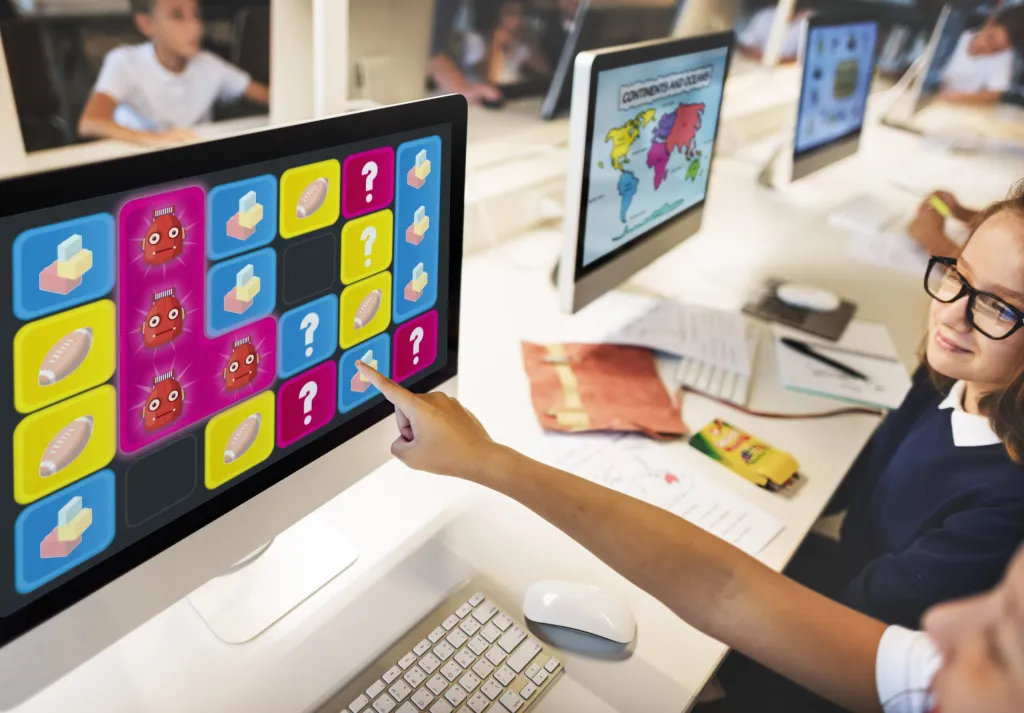
Games are penetrating all areas of our lives, including the education system. They help people to learn things quickly, at any age. Interest, seasoned with passion and the desire to win, is the recipe for the success of gaming techniques.
“In the course of the game, interest in the topic increases,” Simon Andrew comments. “A child gets a kick out of it because a good game is exciting. And it also gives children the opportunity to praise themselves: ‘Aren’t I great? I won so many stars or cups today.’ Thus, both external and internal motivation are stimulated. The child learns through playing because they are interested in the process and their innate curiosity is involved. And also because they have a clear competitive streak. Motivation for today’s children comes from passion and reward. They are not used to working out of a sense of duty.”
Another point noted by psychologists is that the stressful atmosphere of ordinary lessons often inhibits the child’s creative impulses and creativity. Game-based teaching methods, on the other hand, help to release them.
Sign your child up for a trial english lesson to get acquainted with the Novakid Game World and see for yourself how this exciting learning environment enthralls children!



This article shows how to use charades in English lessons to enhance vocabulary and have fun at the same time.
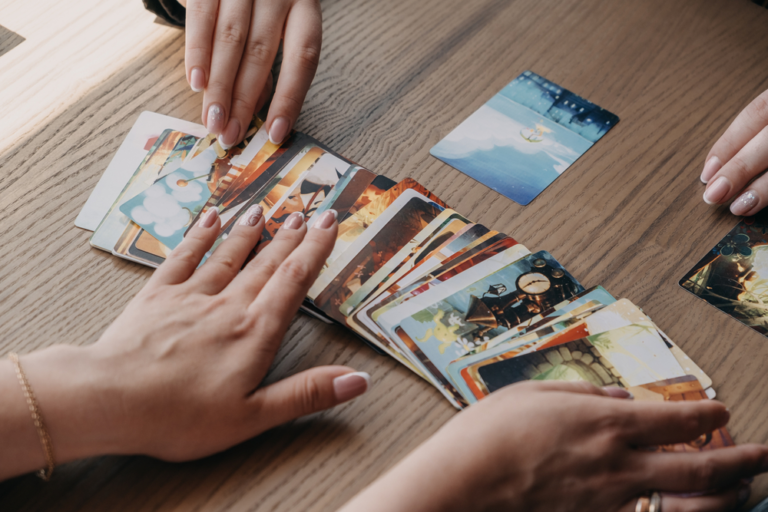
Dixit is a card game, designed in 2008 by a French doctor, Jean Louis Roubira, who worked with young patients experiencing difficulties both inside and outside of their school environment.

The key objective of learning English is to be able to comprehend speech and make yourself understood in English. At the same time, it is mistakenly assumed that the key to comprehension is sufficient knowledge of vocabulary and grammar.

How Novakid's games develop English skills, and why gamification is effective for language learning

If you want to sound like a native speaker, you need to learn British slang and expressions to sound like a local. Learn British slang words and talk like a pro!

This article shows how to motivate kids to learn English in a friendly way, using stories and video games
We and our partners use cookies to improve your experience, personalize content and ads, and analyze traffic. By clicking 'Accept all', you agree to our use of cookies in accordance with the Cookie Policy.
You can personalize your choices by clicking on 'Cookie settings'.
We use four types of cookies on our website. You can learn more about cookies and how we use them here: Cookie Policy
Strictly necessary
Advertising
Analytics
Personalization