

Scrolltop arrow icon

What is the easiest way to learn a language?

Table of contents
  1. What’s the best way to learn a new language?
  2. How to learn a language fast?
  3. What is the 15/30/15 method?
  4. What’s the number 1 easiest language to learn?
  5. The fastest way to learn a language
Takeaways
  • Read about the easiest way to learn a language and learn several study tips at home
  • A study guide to learn a new language fast
  • The importance of forming consistent study habits 
  • Incorporating microlearning to improve learning results
  • The easiest and hardest languages in the world to learn, and how long it takes to be fluent in them

We have several reasons why we want to study a new language. It could be that we want to upskill, widen our future prospects, get better grades at school, travel abroad, or just do it for fun. 

No matter what our reasons are, we need a guide to help us navigate the intricacies of learning a language. 
What’s the best way to learn a new language?

From acquiring new vocabulary, learning sentence patterns, practicing the right intonations, and understanding grammar structures, learning a new language can be rewarding through persistence and consistency. Here are some helpful techniques to follow on how to learn a language easily: 
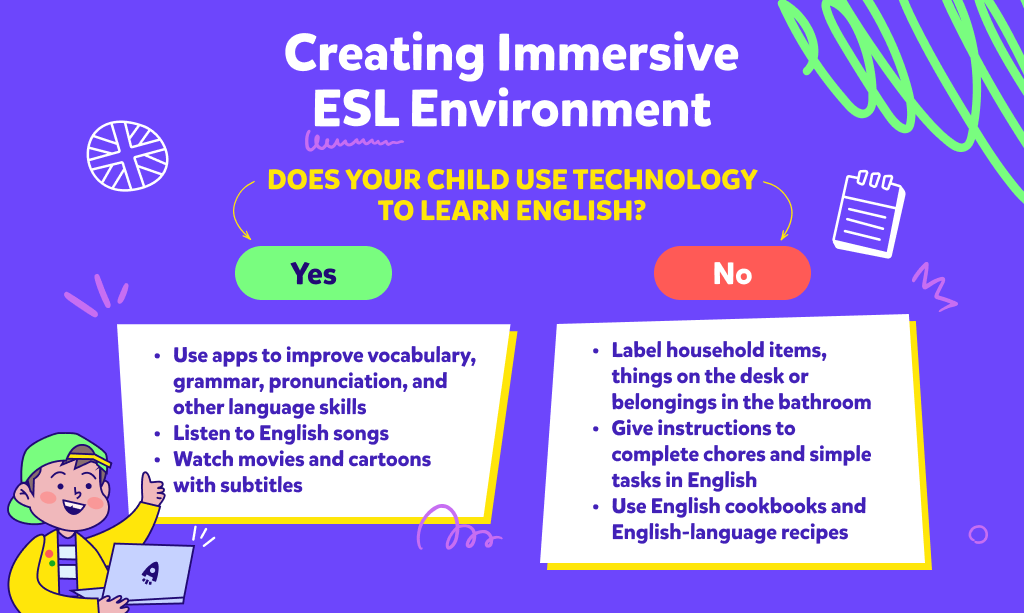
  • Immersion – It means to be actively involved and engaged with the language. Surround yourself with movies, songs, and books of your target language. Change your phone’s language setting, and even better, try keeping a journal in the language you want to learn. 
  • Start Speaking – Many people thought that they needed to know perfect grammar before trying to start speaking. That is one of the biggest mistakes beginners make. Don’t wait for too long. It is essential that you start speaking as soon as you start acquiring new words. Try shadowing native speakers of your target language and imitate their natural intonation. Slowly, you are already practicing your mouth to get acquainted with the new sounds of the language. 
  • Memory Techniques – Repetition is still the best way to remember newly learned words. There are so many ways to do this activity other than just rote memorization. For example, after learning a new word and writing it down, you can revisit it and try to use it in a different context every time you review it. 
  • Set goals – It is important to have an achievable goal in studying your target language. Raising your goal too high might create frustration, and setting it too low might hinder your progress. Moreover, it is also necessary to set consistent study time. Studying intensively for 10 to 15 minutes a day is better than studying sporadically.
Are you a parent and want to share your experience?
Reach out to tell your story.

How to learn a language fast?

Depending on your intensity of studying and how many hours you dedicate to studying each week, you can learn a language in 24-30 weeks. You can already speak and recognize 700 to 1,500 words, and handle simple interactions such as everyday questions, ordering food, and explaining and describing situations using simple words. Below are some tips to effectively learn a language fast.
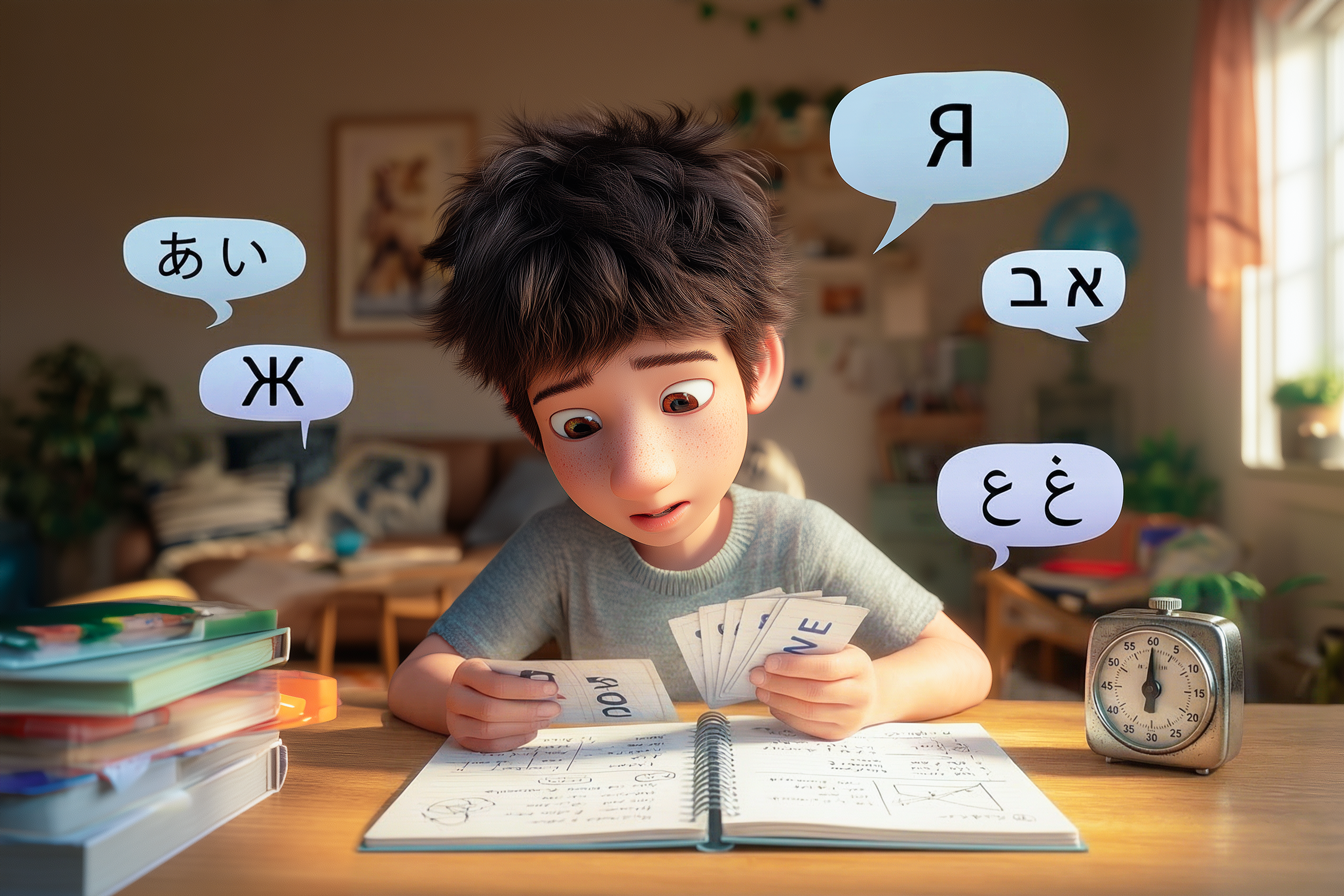
Effective ways to learn a language

Learning a new language is effective if you study with intention. No matter what language that can be, your actions must align with your study goals. The principles of learning a new language are straightforward, and following them helps you take a step forward to fluency.

  • Study time – It is important to have continuous and extended uninterrupted studying. Being distracted just wastes your time and effort, as you will easily forget the things you learned. In this case, being focused is very important. 
  • Reviewing – Studying is ineffective if you don’t review. Take some time to review the new words you learned. Build a flashcard of vocabulary words and try to use them in context. You can use index cards or download flashcard apps. An effective review session activates your previous learning, which enhances memory retention and makes you more confident in using the language. 
  • Learning with a teacher – It is possible to learn a new language through self-study. But if you want to learn faster and more efficiently, it is best to find a teacher or a tutor to guide you in your learning journey. An English teacher is also the best language partner, as they can provide you with immediate feedback during or after speaking practice. 
  • Record your progress – Continuous assessment and maintenance of records is important to check your progress. This way, you’ll know which area you are lagging in or need more practice in. 
  • Balance of Input and Output Learning – To gain fluency, it is important to balance input (listening and reading) and output (speaking and writing) learning. Input activities include reading books and materials, and movies, podcasts, or songs. Whereas output activities may include journalling, poem writing, or essay writing, and shadowing, having a conversation practice, or singing. We expand our vocabulary and learn grammar structures through output learning while we practice what we’ve learned through output activities. 

What is the 15/30/15 method?

The 15/30/15 method is a structured approach to language learning. You distribute your study time into small, intensive chunks throughout the day to reduce mental fatigue and improve concentration and active recall. It is similar to microlearning, and it has been proven that personalized, bite-sized content improves learning outcomes. 

You allocate 15 minutes of your time in the morning to review words, study flashcards, or practice simple sentences. It’s basically a lesson warm-up for the day. 

At noon, you devote 30 minutes to serious studying. This is when you learn new words, learn new grammar structures, practice them, and do listening and speaking practice. 

At night, you spend another 15 minutes reviewing what you have studied during the day. According to a study, reviewing before bedtime improves long-term memory consolidation!

What’s the number 1 easiest language to learn?

The Foreign Service Institute (US) grouped languages into four categories

  1. Category 1: Languages similar to English that share the same letters, have similar grammar structures, and have shared vocabulary roots. It includes Italian, Romanian, Dutch, Portuguese, Swedish, and even French. Spanish is the easiest language to learn, according to this category. Studying for at least 20 weeks will make you comfortable enough to hold a conversation in one of these languages. 
  2. Category 2: The German language belongs in this category because of its complex grammar structure. You may need to study up to 900 hours before becoming confident in using the language. 
  3. Category 3: Languages like Russian, Polish, Turkish, Hebrew, and Greek belong in this category. At least 1,000+ hours of studying are required before becoming comfortable in using this language. They have a completely different writing system, complex grammar, and a different word order. 
  4. Category 4: Languages belonging to this category are considered super-hard languages and need 2,000+ hours of intensive studying to be fluent. This includes Japanese, Chinese, Korean, and Arabic. 

The fastest way to learn a language

There is no shortcut to learning a new language; becoming fluent requires time, effort, and consistency. Depending on your mother tongue, you can learn a language in just 3 months. If you are a Spanish speaker, English might be easy for you to learn, whereas it may take longer for you to be fluent if you are, for example, a Chinese speaker. Still, it all depends on how intensively you study. In Novakid, your child studies for 25 minutes with certified English teachers. The lessons are balanced; you get to improve your reading, listening, writing, and speaking skills.  

A private English teacher will not only help you with grammar, but they can also be your speaking buddy.  

Try our free trial class for your child today. 

Rate this post
X share icon
You might also like
Choose a language
Down arrow icon
Argentina Brazil Chile Colombia Czech Republic Denmark Finland France Germany Global English Global العربية Greece Hungary Indonesia Israel Italy Japan Malaysia Netherlands Norway Poland Portugal Romania Russia Slovakia South Korea Spain Sweden Turkey
Cookies help us make Novakid better for you

We and our partners use cookies and similar technologies to improve your experience, personalize content and ads, and analyze our traffic. By clicking ‘Accept all’ you agree that your personal data and cookies may be used for ad personalization, including sharing with Google. For more information, read our Privacy Policy and Google’s Privacy & Terms.

You can personalize your choices by clicking on ‘Cookie settings’.

Cookie settings

Find more information about what cookies are and how we work with them in our Cookie policy and Privacy policy