



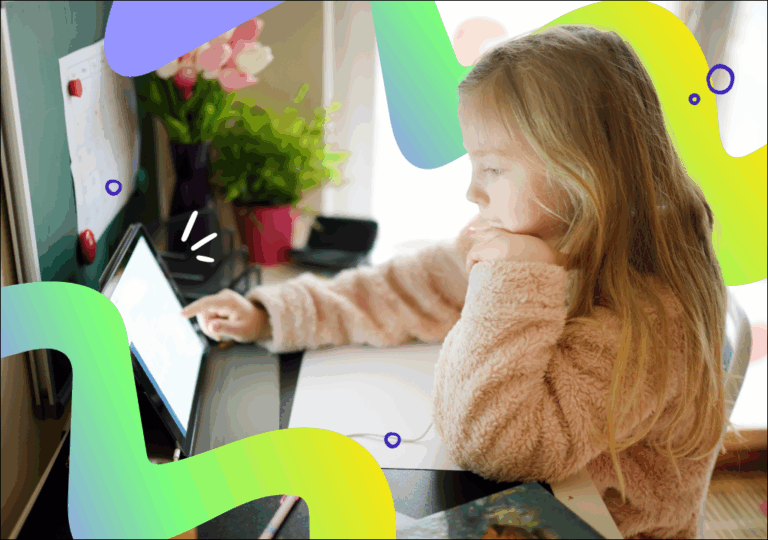
Discover microlearning examples and why it benefits kids learning English. Explore effective microlearning ideas, examples, and tools to boost children’s language skills with fun, short lessons.


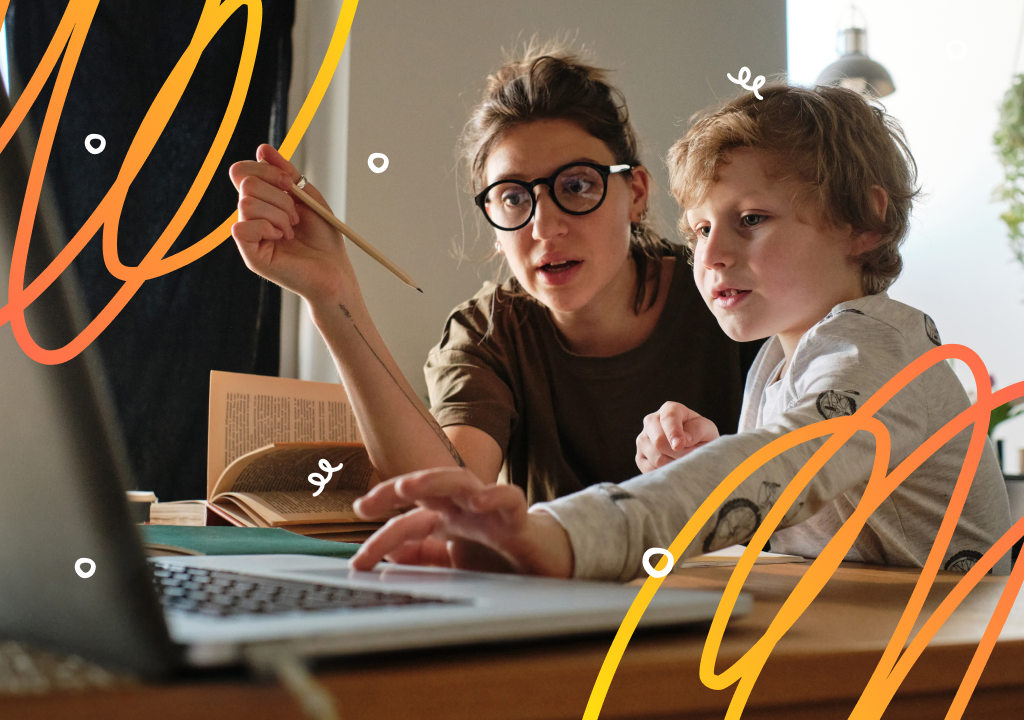
As an ESL teacher, one of the most common questions parents ask me is: “How can I help my child learn English at home?” Well, it’s not as hard as you may think; you don’t need to be fluent, and you don’t need to turn your house into a classroom. In fact, some of the best learning happens in those simple, everyday moments! As a parent, you might even learn something new, too.
Your child’s ESL classes give them structure and guidance, but real progress happens when English becomes part of daily life. Small habits like singing the ABC song in the car, counting numbers in English while setting the table, or reading a short story for kids before bed, or playing quick games to learn English like the Simon Says game, build confidence and make the language feel natural.
Whether it’s listening to English songs, practicing silly tongue twisters in English, or reading a short story, children learn best when they feel relaxed and supported.
If you’ve ever wondered how you can help your kid to learn English at home in a way that actually works, this guide will show you how with 8 simple steps. With just a few minutes each day and the right approach, you can create a positive learning environment where your child can grow, practice, and enjoy learning.

A supportive home environment is more important for a child’s language learning than you might think. When children feel comfortable and encouraged, they are more willing to experiment with new words, ask questions, and try speaking without fear. This sense of safety is super important, especially during the early stages of learning English.
Listening to English in everyday life, having short conversations, or reading books at home, strengthens understanding and helps the language stick. A small amount of daily practice, like 20 minutes per day, can even have a big impact. Regular exposure at home improves:
Okay, now that we understand why a supportive home environment is so important for a child who is learning English, let’s look at some ways to put this into action. In the next section, we’ll explore 6 simple strategies to help you, help your child learn English at home. These small, fun, and useful habits are so simple that you can start today to build confidence and make learning enjoyable.
The first step to helping your child learn English at home is creating a space where they feel safe, encouraged, and excited to try. Learning works best when English is part of everyday life and not just “study time.” As a parent, you can easily weave it into daily routines like talking about breakfast or reading a short story in the English language before bed.
Be sure to focus on effort rather than perfection and celebrate even the smallest of wins. Positive reinforcement will help them feel confident and want to keep practicing. This is especially important for English for kids just starting out, as it turns learning into something enjoyable rather than stressful.
If you’ve ever wondered what the best way for kids to learn English is, the answer is often as simple as combining consistency, encouragement, and a positive home environment.
Consistency is key when helping your child learn English at home. Try to incorporate small, fun exercises into their lives and routines. These moments help them internalize new vocabulary, build confidence, and make English feel natural. Some examples include:
Third on our list is speaking practice. Speaking regularly is one of the most important ways for children to improve their English. Even short and tiny conversations can make a difference, especially in confidence.
Here are some practical ways to practice:
Our fourth tip about how to learn English at home is to use fun and hands-on activities; in other words, let kids be kids.
Helping with homework is important, but it’s equally important not to do it for them. Let your child try first on their own, as this builds independence and confidence (and not just in English, but in general).
If they get stuck, ask guiding questions instead of giving the answers. For example, you might say, “Can you find the word in your book?” or “What do you think comes next?” This encourages problem-solving and reinforces what they are learning in class.
Staying in touch with their ESL teacher can also help, as they can offer tips, clarify instructions, and suggest ways you can practice at home. Novakid teachers always leave notes for parents after each session, so parents know exactly what areas need practice the most.
Finally, the last way that Novakid suggests to help your child learn English at home is to be patient and stay consistent. Learning is a journey, and progress takes time. Some days will feel easier, and others may feel more challenging; and that’s completely normal!
The most important thing is consistency, not perfection. Encouraging your child to practice a little every day, celebrate small wins, and keep a positive attitude helps build long-term skills. Over time, these steady efforts create strong foundations that will last well beyond the first year of learning.
As you can see, helping your kids learn English at home doesn’t have to be overwhelming. By creating a positive environment, building simple routines, and keeping learning fun, you can support their ESL journey and maybe even learn a little along the way yourself.
Ready to give your child even more support and structure? Book a trial lesson with Novakid and let experienced ESL teachers guide your child in a fun, interactive way that complements all the practice you do at home.


Yes! Young children benefit from listening, singing, and repeating words. Activities like singing songs, playing games, or reading picture books help them absorb English even before they can write or read.
Not at all! Children benefit more from a supportive, encouraging environment than from a perfect teacher. You can learn together, use resources, and practice alongside them.
Look for small signs of progress: using new words in conversation, understanding instructions, or completing short English activities with confidence. Growth may be gradual but consistent.
Mistakes are a normal and essential part of learning. Encourage effort, gently correct only when needed, and focus on communication rather than perfection. Positive reinforcement builds confidence.
Absolutely! Educational apps, online games to learn English, and interactive videos can make practice fun. Just make sure screen time is balanced with real-life speaking and reading activities.
Discover microlearning examples and why it benefits kids learning English. Explore effective microlearning ideas, examples, and tools to boost children’s language skills with fun, short lessons.

Learn fun and interactive activities to teach English to preschoolers, including songs, games, crafts, and storytime, designed to make learning easy and enjoyable.

In this article we explain what are the benefits of learning English before school and give some tips to parents on how to make a language-rich environment at home.

In this article a Novakid teacher shares some practical tips and strategis on how to get ready for the ESL exams.

Discover the most effective study techniques for lasting learning. Explore active learning strategies, effective learning techniques, and research-backed methods that help children build long-term English skills.
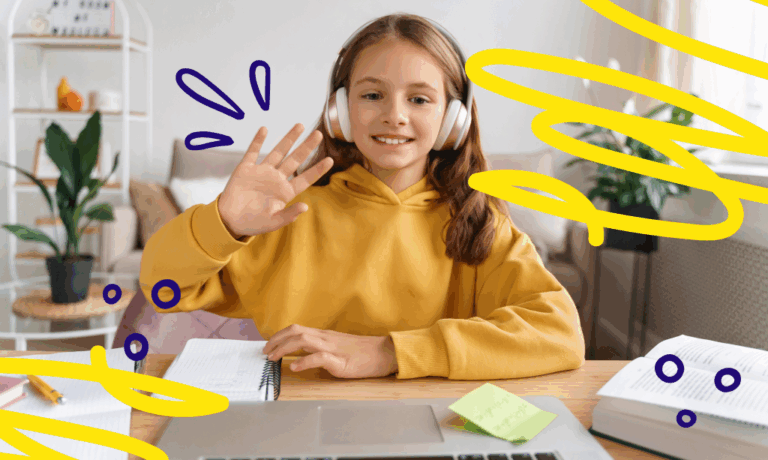
In this article we explain why building an immersive environment at home is good for studying English and what can be done to make one’s home a place where learning a foreign language happens easily.
We and our partners use cookies and similar technologies to improve your experience, personalize content and ads, and analyze our traffic. By clicking ‘Accept all’ you agree that your personal data and cookies may be used for ad personalization, including sharing with Google. For more information, read our Privacy Policy and Google’s Privacy & Terms.
You can personalize your choices by clicking on ‘Cookie settings’.
Find more information about what cookies are and how we work with them in our Cookie policy and Privacy policy
Strictly necessary
Advertising
Analytics
Personalisation


