




Learn the ideal age for children to start English lessons with Novakid. Explore the benefits of early language learning and tips for making online lessons fun.



Anyone with kids can tell you just how rewarding they are. Providing your days with drive, a sense of responsibility, and an eternal friend for life, children are definitely a blessing. As such, it makes sense that you might want to spend as much time with them as possible. The best part? These bonding sessions will also help them develop as a mini human.
If you’re thinking about spending time together as a group, but aren’t sure what your little ones will get the most from, this guide prepared by Novakid can serve as a springboard for ideas.
We’re going to explore three of the best ways to spend quality time with your kids, and explain how each will see them flourish.
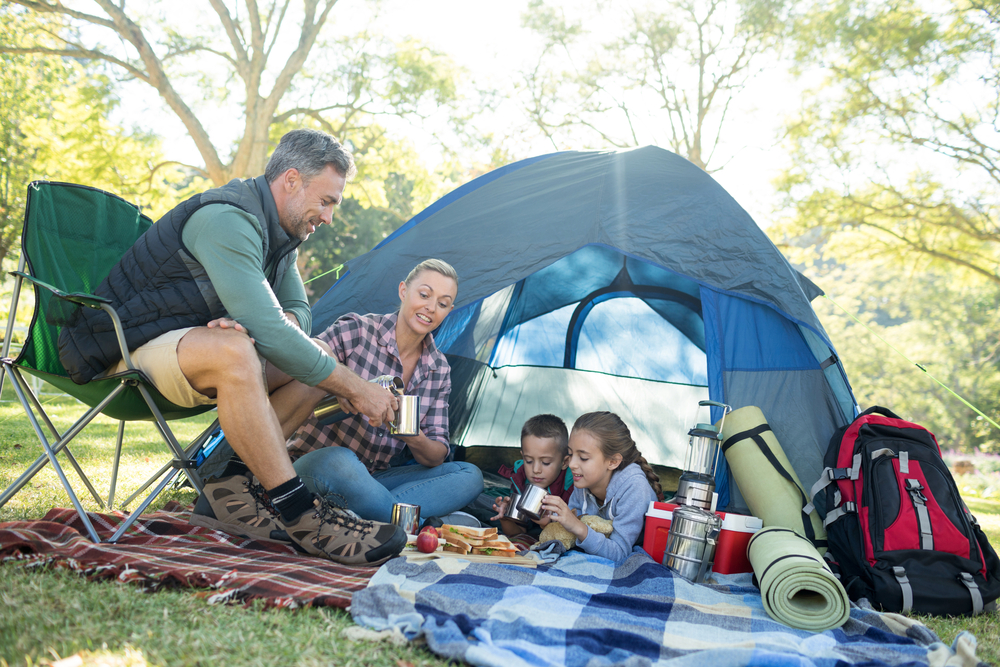
A tried and tested outdoor activity for generations, camping in the great outdoors provides a myriad of benefits – no matter how old you are. As well as practical skills like tent pitching and cooking on an open top stove, kids will also develop a deeper appreciation and understanding of nature.
What’s more, research by the University of Plymouth has found that parents think camping is good for the soul.
They found that 95% of parents felt kids were happier when camping, while 68% said they felt the activity helped develop a child’s ability to learn in a traditional classroom.

Is there a better way to help your child develop than teaching them a new talent or skill? While kids can sometimes be hesitant to engage in this kind of activity on their own, having a family unit around them as encouragement is a great way to give them the gentle nudge they need.
There are a wide range of activities to pursue when it comes to skills and learning. The trick is to find something your child already shows an interest in (such as arts and crafts, baking, learning foreign languages, drawing etc.), then hone in on a specific facet of that skill set. Make sure it’s something fun, which everybody genuinely wants to get involved with.

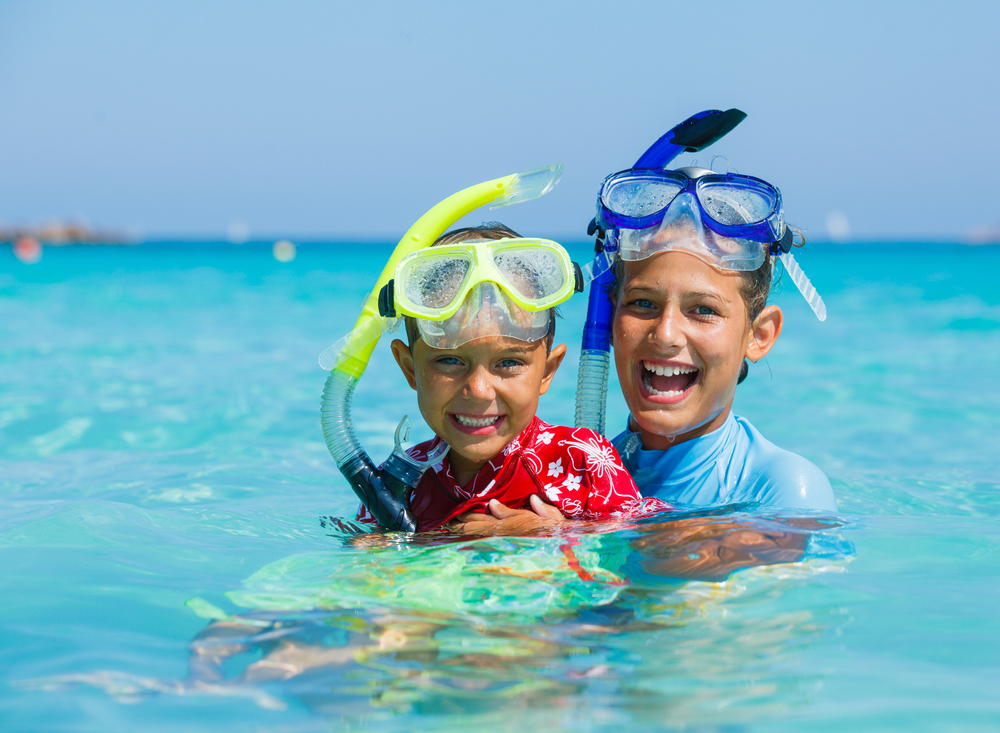
Who doesn’t love a bit of fun in the sun? Not that you have to choose a sunny location, of course. A family trip gives everyone the chance to relax and unwind, while also forming memories which will last a lifetime. Perhaps best of all, getting out and seeing more of the world gives kids a more rounded approach to life, and has even been proven to help in school.
In fact a study from 2010 found that kids who travelled around more than their peers ended up with a better academic score on average. UK parents clearly understand the benefits of a family vacation, with as many as 33% of them saying the intent purpose of their trip was to help their children learn to grow from new experiences.
Have these family bonding ideas inspired your next trip? Make sure to keep them in mind when thinking about the best ways to nurture your child, while also growing closer to them.
Did you like the article?


Learn the ideal age for children to start English lessons with Novakid. Explore the benefits of early language learning and tips for making online lessons fun.

Everyone agrees that it’s nice to know at least one foreign language. For travel, for work, for…. well, orders from Amazon or Ali-Express ?

At Novakid, our native-speaking teachers come from the USA, the UK, Ireland, South Africa, the Philippines and other countries all over the world.

The article shows the most appropriate English poems for kids, including tongue twisters, and adds some related advice.
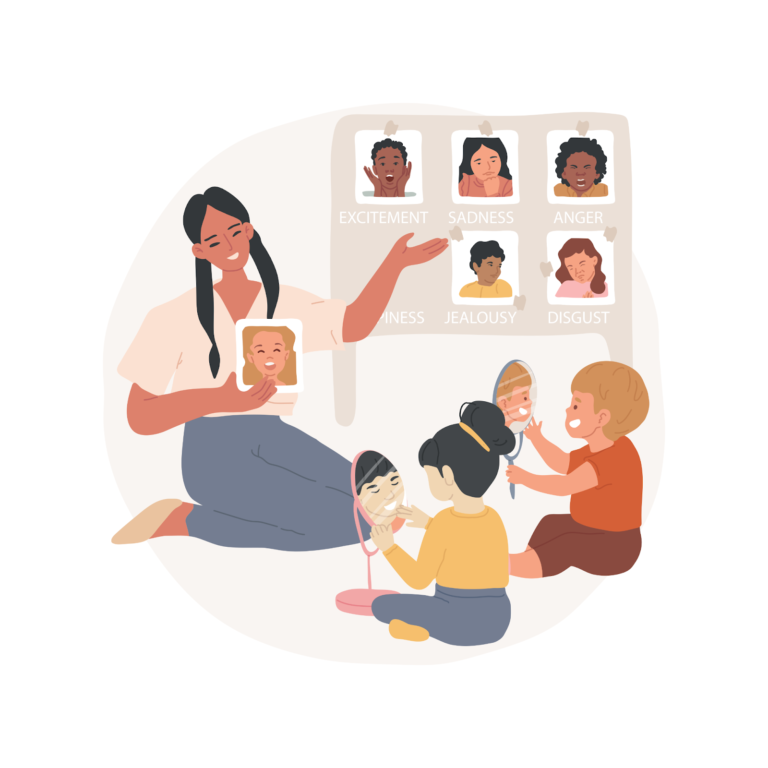
Find out the best emotional intelligence games and activities for kids. Develop emotional intelligence and help kids understand their emotions. See more!

Children are looking forward to their summer holidays, and parents are concerned about how they can prevent summer learning loss and help kids remember things they struggled with during the school year.
We and our partners use cookies to improve your experience, personalize content and ads, and analyze traffic. By clicking 'Accept all', you agree to our use of cookies in accordance with the Cookie Policy.
You can personalize your choices by clicking on 'Cookie settings'.
We use four types of cookies on our website. You can learn more about cookies and how we use them here: Cookie Policy
Strictly necessary
Advertising
Analytics
Personalization