




A game is a natural way for a child to learn. Games also facilitate a child’s spontaneous use of language, coordination, memory, alertness, thinking, etc.


Many parents think that if their child watches English cartoons, listens to English songs, or plays English‑based games for hours, fluency will simply “happen”. This belief fits neatly into the popular idea of learning a language by immersion. Just expose the child to the English language, and they’ll absorb it like a sponge!
Yet both research and teacher feedback show the same conclusion: exposure to English is not enough. You cannot learn English intuitively from passive listening alone. Real teaching and learning of the English language requires structure, interaction, and, most of all, active use of the language.

The myth is simple: “If you put a child in an English-speaking atmosphere, they’ll learn English on their own”. This sounds attractive and easy. Parents feel reassured when they hear expressions such as “learn a language by listening” or “how language listening helps”. But scientific evidence tells a different story.
There are studies in second‑language learning that show that while immersion and exposure are helpful for the spoken language, they are not sufficient for written language and true fluency. Lacking targeted instruction, feedback, and plenty of opportunities to practice, children may develop receptive skills (understanding) but remain weak in expressive skills (speaking and writing).
In many cases, students who have been exposed to English through the media for years develop strong comprehension skills, which is fantastic, but may still struggle to hold a conversation.
In other words, learning a language by immersion can support progress, but it rarely leads to full fluency unless combined with extensive practice and learning activities.
Many parents ask: “Can you learn a language just by listening?”. The answer, supported by research, is no, not for meaningful fluency. Listening is a key part of learning, but it is only one dimension.
Research on listening‑based language instruction demonstrates that listening language development improves when students do more than passively hear the words. When learners actively listen (predicting, summarising, answering questions, or repeating), their comprehension rises noticeably. However, listening alone does not teach pronunciation, grammar, or the ability to formulate spontaneous responses.
Passive exposure—such as background TV or radio—can familiarize children with sounds and rhythm, but it rarely teaches them how to use the language. The same idea holds in classroom settings: students who primarily listen to the teacher, with limited opportunities to speak English, often plateau at a basic level of understanding without developing true conversational ability.

Listening can be powerful when it is used correctly in the teaching and learning of English. When teachers design activities that foster active listening—such as answering questions, recalling details, or summarising what they heard—students’ comprehension improves significantly.
The key insight from research is that how language listening is structured matters. If students are asked to listen for information, not just for background noise, then listening acts as a tool for learning, not just for entertainment. In this context, listening can:
However, none of this replaces the need for speaking, writing, and meaningful feedback. Listening should be seen as a support, not a complete curriculum.
Drawing from a study that was conducted with more than 100 Novakid teachers, a valuable global sample of English‑language educators, a clear pattern emerges: exposure to English outside of the classroom does not replace structured learning.
Over 60% of Novakid teachers noted that students progress best when they combine regular lessons with short, meaningful practice. Teachers also emphasised that AI tools, chatbots, and media can help students repeat, revise, or hear vocabulary, but they cannot substitute the interaction, error correction, and motivation provided by a real teacher.
One common insight from the survey was: “Children can understand a lot, but they cannot speak fluently without practice”. This corresponds directly with the research conclusion: exposure builds understanding, but active, structured practice builds real ability.
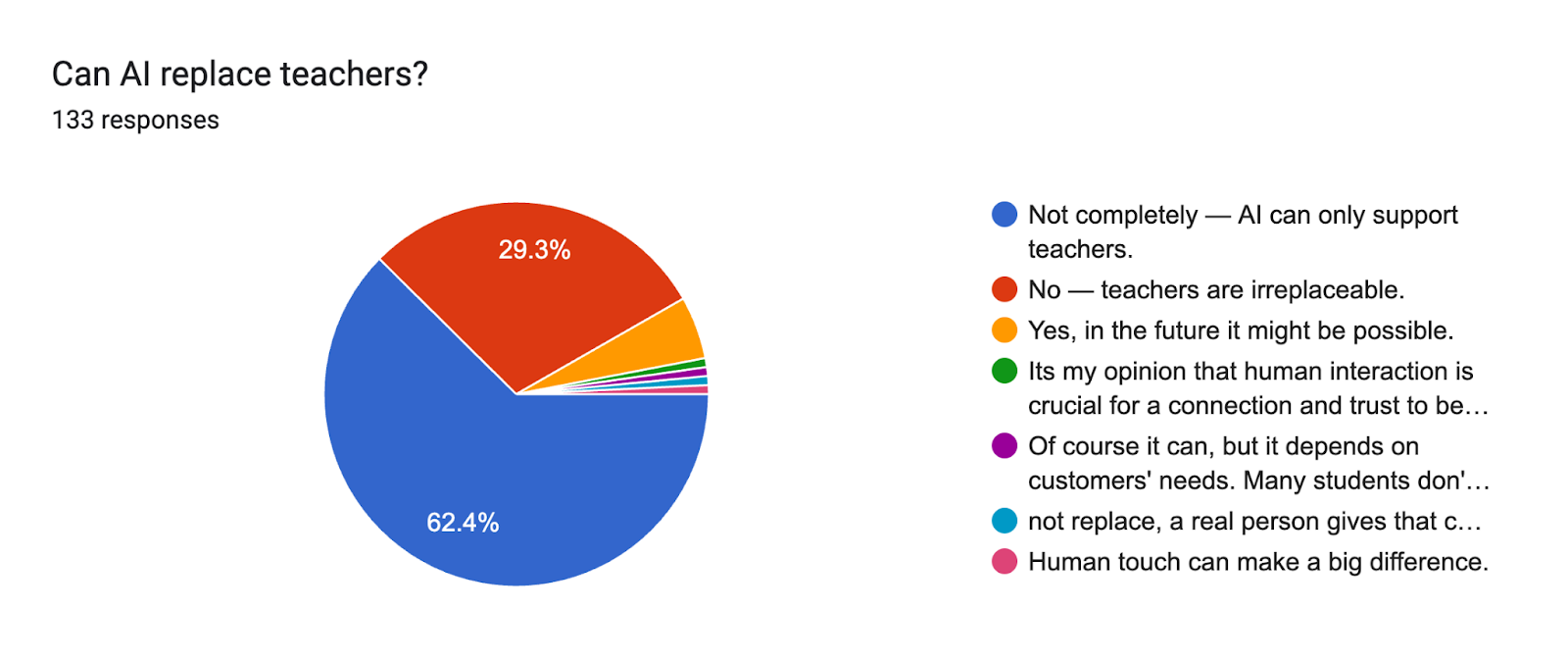
Parents often assume that if their kids understand English cartoons, watch YouTube videos, or play games, they are “learning English naturally”. But the Novakid teacher survey shows that many teachers see a gap between understanding and production.
The research above confirms this pattern. Studies on passive immersion—such as watching TV or listening to podcasts without interaction—show that gains in speaking skills and writing are minimal, even when exposure is frequent. In other words, once students understand the basics, further progress depends on using the language actively, not just on hearing it.
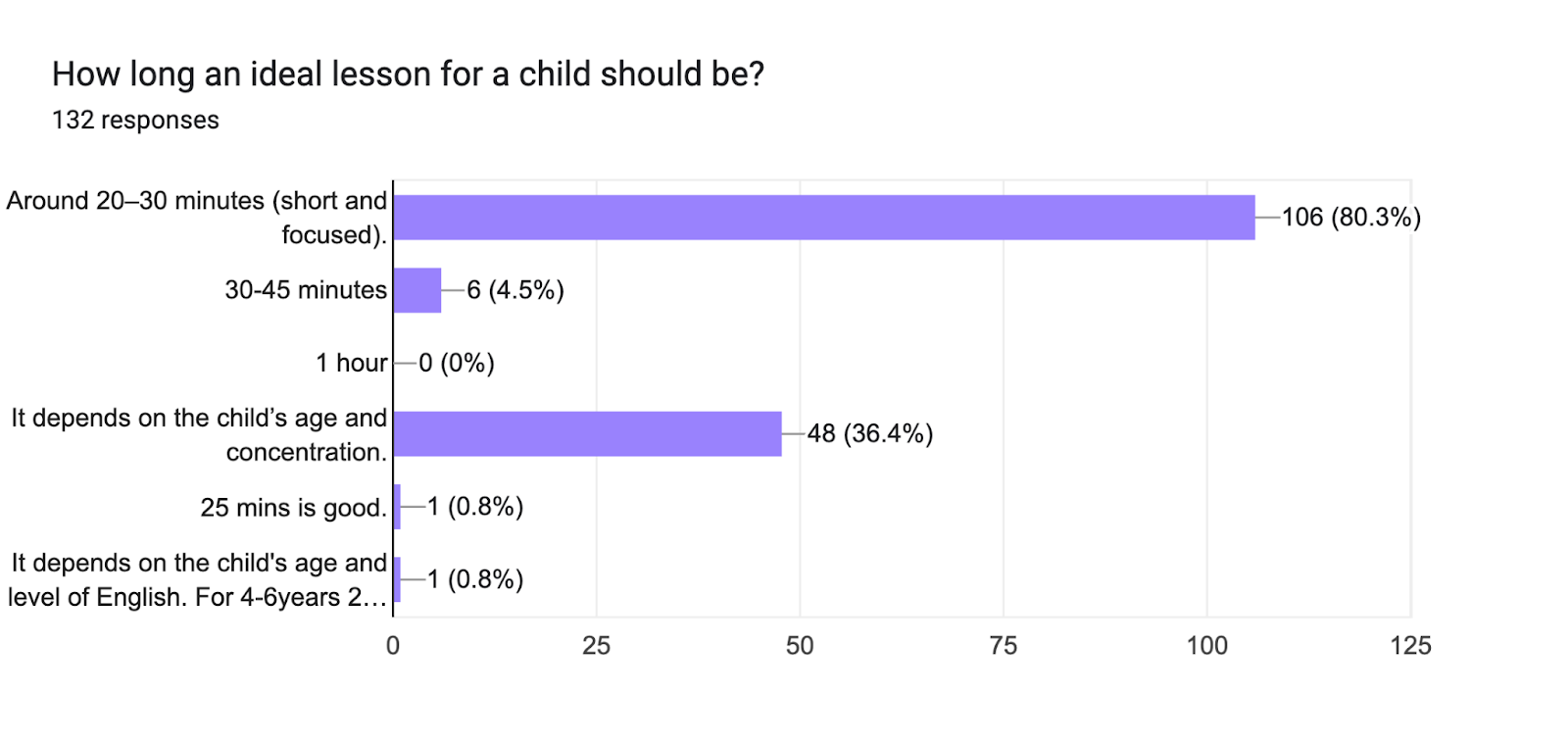
The survey also found that short, frequent English lessons tend to be more effective than longer lessons with excessive homework.
If learning language by listening cannot be the whole strategy, how can parents use it effectively? The answer lies in combining listening with active tasks. For example:
These techniques turn passive listening into active listening practice, which is far more effective for real learning. When paired with regular lessons and teacher interaction, listening becomes a useful resource rather than a false promise of “natural” fluency.
The myth of natural learning also hides an important truth: teaching and learning of the English language work best when it is intentional. Children who follow a clear path—one that includes listening, speaking, reading, and writing, plus feedback—regularly outperform those who rely on exposure only.
Parents who focus on establishing a rich input environment (TV, podcasts, songs) while also providing systematic lessons and practice opportunities, give their children the best chance to grow. The goal is not to eliminate media or passive listening, but to recognise that they are only one piece of a broader learning strategy.
Parents trust real learning over shortcuts. Discover how Novakid combines expert teachers with thoughtful technology to help your child grow. Ready to see real progress? Book a trial lesson today.
Sources:
Three Myths from the Language Acquisition Literature – Ted Schoneberger (2010)
Tuning In: Exploring the Power of Listening in Language Learning – John M. Norris, Lourdes Ortega (2025)
Exploring Listening Strategies in Language Learning – Sarinah Sharif, Normah Ahmad, Choong Pow Yean, G Sharina Shaharuddin, Chua Tung Er (2024)


Lack of exposure to language means a child does not hear or use the target language enough in their daily life. This leads to limited vocabulary, weak listening skills, and low confidence in speaking, even if they understand basic words.
A famous quote about the English language is: “English has become the working tongue of that village”. It reflects how English connects people from different cultures and countries in work, study, and communication.
Technology is important in teaching English because it gives students access to authentic materials, interactive exercises, and instant feedback. It also connects learners with native‑like speakers, making practice more flexible and engaging.
No, you cannot learn a language from exposure alone. Exposure helps with listening and understanding, but real fluency comes from structured lessons, speaking practice, and feedback—exposure is just one piece of the puzzle.
No, you cannot learn a language just by exposure. Passive listening may improve familiarity and comprehension, but without active speaking, correcting mistakes, and guided practice, students rarely reach true fluency or confidence.
A game is a natural way for a child to learn. Games also facilitate a child’s spontaneous use of language, coordination, memory, alertness, thinking, etc.

Learn ways to teach your child creative thinking. Develop creative thinking and find examples of creative activities for kids. Read the article!
How can you help your child to learn English without them losing interest and motivation?

Your kid is scared to speak English? Overcome the fear of public speaking! Find out ways to improve English speaking. Novakid helps kids learn English.

Understand your child’s emotions - find out about emotional intelligence for kids and learn to identify emotions for kids. Check out our ideas!

Motivation is the key to learning any language; a 5- or 10-year-old may experience age-specific troubles. With a teacher who fails to motivate, English is lost on a kid.
We and our partners use cookies and similar technologies to improve your experience, personalize content and ads, and analyze our traffic. By clicking ‘Accept all’ you agree that your personal data and cookies may be used for ad personalization, including sharing with Google. For more information, read our Privacy Policy and Google’s Privacy & Terms.
You can personalize your choices by clicking on ‘Cookie settings’.
Find more information about what cookies are and how we work with them in our Cookie policy and Privacy policy
Strictly necessary
Advertising
Analytics
Personalisation


