




Find out how often your child should take Novakid lessons for the best learning results and long-term English success.


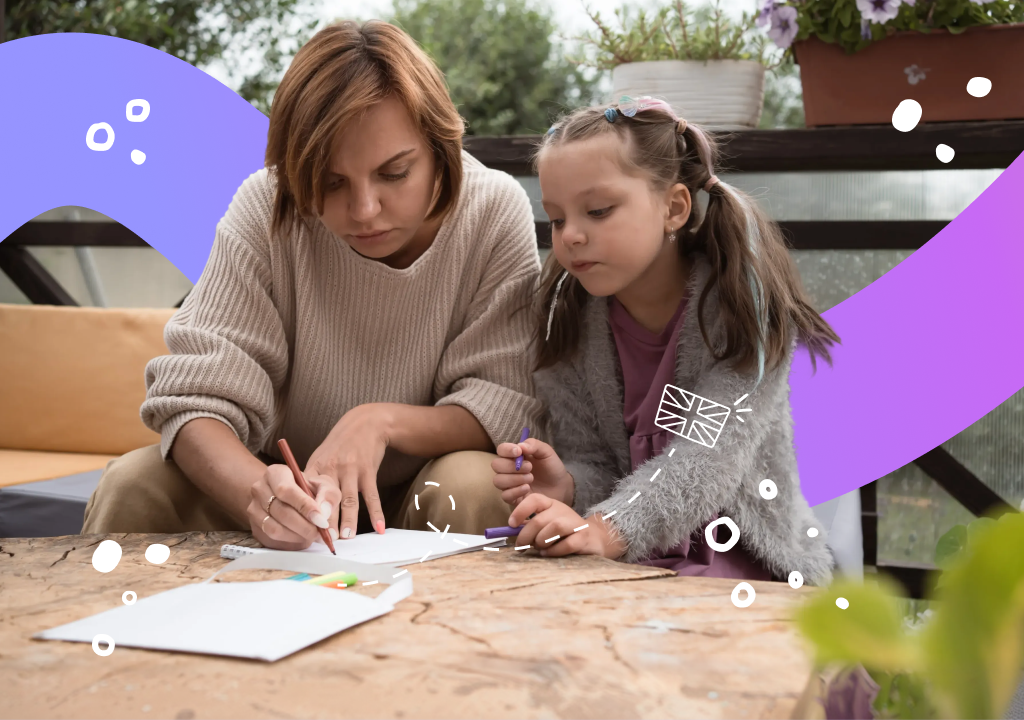
The first year of learning English is less about perfection and more about building a foundation. For beginner English learners, this stage should focus on listening, repeating, experimenting, and slowly gaining confidence. It’s a time of big growth, even if that growth isn’t always immediately visible.
As a Novakid teacher, I know that many parents wonder, “How can parents support English language learning?” when their child is just starting out. The answer really isn’t that complicated. It’s about steady encouragement, routines, and choosing the right English learning methods for beginners that match your child’s age and level.
No matter if they are learning their first basic words or beginning to form sentences, your role at home plays an important part in helping them feel secure and motivated. In this article, we’ll look at realistic ways to support your child during this important first year, without pressure or unrealistic expectations.
The first year of English learning sets the tone for everything that follows. During this stage, children are not expected to speak perfectly or understand everything right away. Instead, this is a foundation year built on exposure, comfort, and growth. For beginner English learners, the goal is simple: hear the language often, become familiar with its sounds, and feel safe enough to try using it.

Parents need to understand that progress can look slow at first. Your child might spend weeks listening before speaking much at all. This silent period is completely normal and is actually part of many English language learning methods. Just like babies listen for months before saying their first words, children learning a new language need time to absorb it.
This is where the partnership between home and ESL classes becomes so powerful. Teachers provide structure, guidance, and instruction on how to teach English to beginners, while parents reinforce learning through routines and encouragement at home. When both work together, children feel supported from all sides.
To support children in their first year, it’s important to understand how they actually learn. Many parents wonder, “How are you supporting children when they first start?” The key is knowing that listening comes before speaking.
During the “silent period,” children are absorbing sounds, vocabulary, and patterns. Grammar may come later, but vocabulary grows first, and mistakes are a normal part of learning.
Repetition and regular exposure are important, too. Hearing words in stories, routines, or conversations helps them internalize English. These practices are some of the most effective English language learning tips beginners can follow, helping kids gradually learn and speak English at home with confidence.
Helping your child feel confident with English starts at home. The way you respond and engage with them can help dictate how comfortable they feel trying new words and sentences.
Focus on emotional safety by celebrating effort instead of perfection and keeping expectations realistic. Reduce pressure around speaking perfectly, and model curiosity and excitement about English yourself. Showing genuine interest in what your child is learning in class reinforces their learning and makes English feel meaningful.
Creating this kind of supportive environment helps them feel confident to participate, experiment, and enjoy their first year of English, making all the practice at home and in class more effective.
Learning English doesn’t only happen during lessons; everyday life offers countless opportunities for children to practice and absorb the language. Simple, routine moments can reinforce what they’re learning in class and make English feel familiar rather than forced.
Listening also helps in this process. Songs, stories, and conversations introduce new vocabulary and sentence patterns in a fun and playful way. Even a few minutes each day of hearing and using English helps a lot more than you probably realize.
In fact, consistency is far more important than long study sessions. Making English part of the day helps them integrate it into their real life, not just treat it as homework or another form of school.
It’s important to note that parents can support what children learn in ESL classes without trying to take over teaching. This means reinforcing lessons, helping with organization, and encouraging practice, all in a gentle, low-pressure way.
For example, you can reinforce new vocabulary by casually repeating words at home, and encourage your child to explain what they learned in class. Setting up simple routines, like organizing materials or having a short daily practice time, helps learning feel natural and manageable.
However, communicating with Novakid teachers is sometimes needed or helpful, as it ensures that home activities match classroom lessons. At the same time, be sure to avoid over-correcting or introducing concepts beyond your child’s level; keeping practice enjoyable and achievable helps build confidence and motivation.
During the first year of English learning, it’s important to have realistic expectations. We know that for beginner English learners, comprehension usually develops before speaking, and small improvements are just as meaningful as big milestones. Parents often ask me, “How can parents support English language learning?” without feeling overwhelmed by pressure, and understanding this timeline is key.
Here’s what I always say: Celebrate little wins, like using a new word in conversation, understanding instructions, or completing a short activity. Avoid comparing your child with others; every child learns at their own pace. And remember to recognize progress in listening, vocabulary, and basic communication rather than perfection.
As parents, you can easily support steady growth while making learning enjoyable.
It’s normal for children to face challenges during their first year of English learning. They may feel frustrated, lack confidence, mix languages, resist speaking, or have short attention spans. Many new to this experience will likely wonder, “How can parents support their children?” through these ups and downs. The key is patience, encouragement, and simplicity.
Here are some practical ways as parents, you can help:
Helping children feel confident early on lays the foundation for long-term success in English. Encouraging independence in learning by letting them explore words, short sentences, or phrases on their own helps them take ownership of their progress.
Celebrate effort and growth, not just correct answers. Positive reinforcement builds confidence and creates positive associations with English, making the language feel enjoyable rather than stressful. Early encouragement shapes future success by showing them that mistakes are part of learning and that trying is more important than perfection.
Parents can also support this growth by using English language learning methods for beginners that focus on short, fun activities, repetition, and exposure. These help children gradually build listening, speaking, and comprehension skills while fostering a love of learning.
With consistent support, children gain confidence, independence, and motivation, all of which are key ingredients for long-term language success.
In conclusion, the first year of English learning sets the foundation for everything that follows.
By creating a supportive environment, integrating short exercises, reinforcing lessons, and celebrating small wins, parents can help children make steady progress even when it feels gradual. Learning English is most effective when home and classroom work together as partners.
To give your child the best start and put these strategies into practice, book a trial lesson with Novakid today. Our experienced ESL teachers make learning enjoyable for beginner English learners, helping your child gain confidence and succeed in their first year of English.


Reading a few minutes every day is more effective than long sessions once in a while. Even 10 minutes of reading for children in English helps reinforce vocabulary and listening.
For very young children, focus on exposure, repetition, and interaction. Singing songs, reading, and labeling objects around the house introduce words naturally and help them start associating sounds with meaning.
Mixing languages is normal in the first year. Encourage English gently, repeat words in context, and model correct usage without pressuring them.
Look for progress in understanding, vocabulary use, and willingness to participate. Using English language learning methods for beginners, like short daily exercises, games, and reading, helps track growth in a stress-free way.
Find out how often your child should take Novakid lessons for the best learning results and long-term English success.
In this article we explain how student can benefit from practicing reading and writing in the learning process.
Understanding English verb tenses can be challenging. Out of 12 main English tenses we will look into five that confuse people the most.
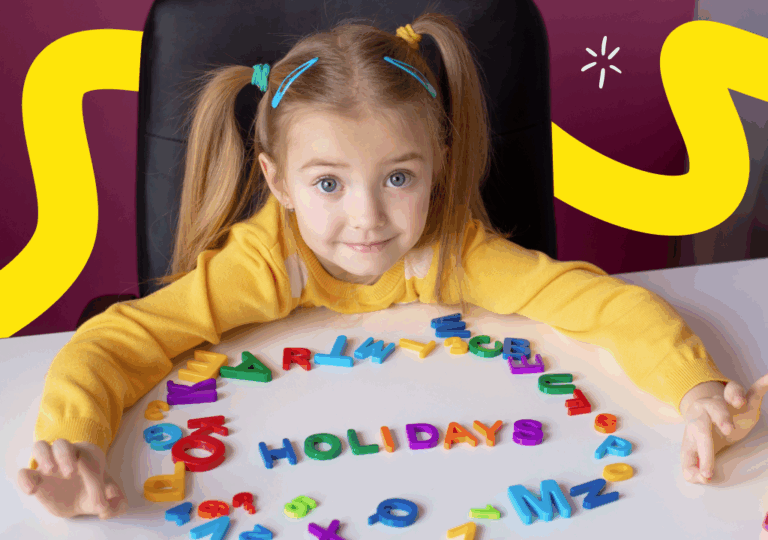
Help your child build a strong vocabulary with fun activities, daily conversations, and creative writing ideas. Learn practical tips to boost language skills at any age.

Intonation is a key part of speaking English well - without the right intonation, your speech might sound flat or confusing, even if your grammar and vocabulary are correct.

Learn how virtual reality is changing ESL learning for kids. Explore immersive VR experiences, fun gamified lessons, top educational VR apps, and how VR helps students practice English in real-life.
We and our partners use cookies and similar technologies to improve your experience, personalize content and ads, and analyze our traffic. By clicking ‘Accept all’ you agree that your personal data and cookies may be used for ad personalization, including sharing with Google. For more information, read our Privacy Policy and Google’s Privacy & Terms.
You can personalize your choices by clicking on ‘Cookie settings’.
Find more information about what cookies are and how we work with them in our Cookie policy and Privacy policy
Strictly necessary
Advertising
Analytics
Personalisation


