




How do you teach kids to read so that they don’t lose interest and make it effective at the same time?


Your child is taking English classes, and as a parent, one question naturally comes to mind: Is my child really making progress? Closely followed by others: When will I see the first results? How long will it take for my child to start speaking English? And when will they become fluent?
These questions are completely normal. When children begin learning a new language, parents often look for clear milestones. But language learning doesn’t follow a single timeline that applies to every child. Each child progresses at their own pace. Some children start using words and short phrases quite early, while others may understand much more than they are ready to say out loud. Both situations are part of a healthy learning process.
So, how can you actually measure your child’s progress in English? To answer this, we asked 133 Novakid English teachers, all specialised in teaching English to children aged 4 to 12, how they recognise progress in their students. Their responses highlighted one key idea: progress can look different for every child, but confidence is one of the strongest indicators of success.
As one Novakid teacher explained, “Every child is unique and progresses at their own pace, but confidence is the main giveaway of progress.” And this idea came up again and again in our survey.
When a child is truly making progress in English, teachers notice it quickly — not only through technical results, but through how the child uses the language and how they feel while using it.
Confidence shows itself in many ways: Children start speaking more often and more willingly. They are no longer afraid of making mistakes and even begin to correct themselves, a clear sign that they are internalising the language.
Teachers also see progress when children begin to use what they’ve learned spontaneously. Instead of repeating memorised phrases, they talk about their own lives, interests, and experiences, using English as a real communication tool rather than just an exercise. As confidence grows, children become more involved, curious, and enthusiastic. As one teacher put it: “There’s a clear sense of ownership in what they want to say — they’re not just using English, they’re using it to communicate their own ideas.”
In short, according to Novakid teachers, progress isn’t measured only by tests or worksheets. It’s seen in this powerful combination of confidence, communication, autonomy, engagement, and a more personal use of the language.
At Novakid, parents can easily track their child’s progress in English in several ways. After each lesson, teachers share a short report highlighting strengths and areas to improve. Parents can also watch lesson clips and follow progress through levels and stars.
If your child has been attending English classes for a while, you’ve probably asked yourself: How long does it take to learn English? How long before they start speaking fluently? Once your child starts learning, it’s natural for parents to look for concrete results.
When we talk about progress in spoken English, there are actually two different milestones.
The first is starting to speak — overcoming the language barrier and feeling confident enough to use English out loud. The second is becoming fluent — speaking smoothly and being able to communicate most ideas with ease. To better understand the first milestone, we asked Novakid teachers how many lessons per week are typically needed before children start expressing themselves.
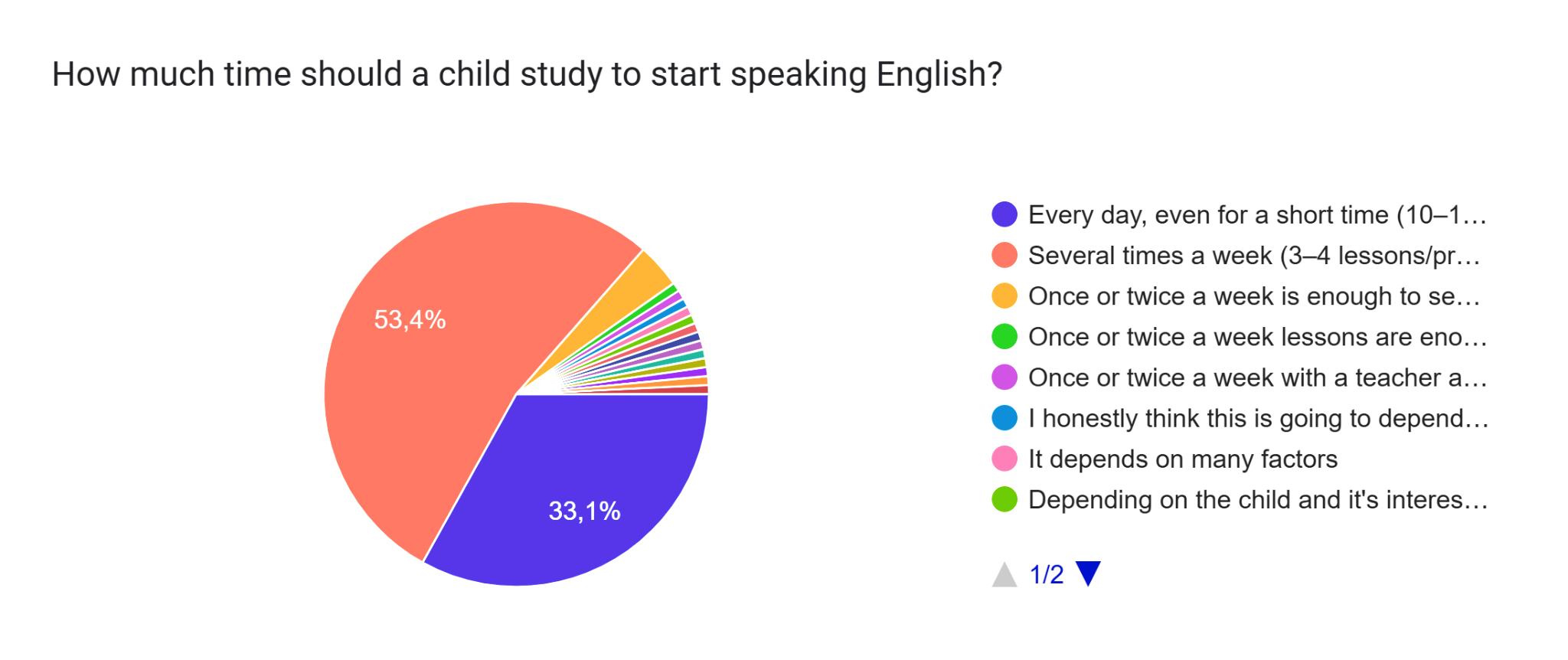
According to our survey, 53% of teachers believe that 3–4 lessons per week are enough for children to start speaking, while 33% say that children should have short sessions ( 10 – 15 minutes) every day. What matters most, teachers agree, is not the intensity alone but consistency. Regular exposure — even just a few focused lessons each week — can lead to early speaking progress.
Of course, every child learns at their own pace. As one teacher explained:
“It depends on the child. What’s most important is consistent and enjoyable practice — short daily exposure or a few focused lessons a week can be enough to help them start speaking English confidently.”
However, teachers also emphasise that lessons alone are not always enough.
“They can study at their own pace, but it is essential that there aren’t long gaps between study sessions. Most importantly, they must put into practice what they have learned.”
That’s why at Novakid we’ve created a safe, interactive learning environment where students can play, practice, and challenge their peers through games in English. Children often don’t even realise they’re practicing — they do it because they’re having fun, and learning happens naturally as a result.
Parental support also plays a crucial role, especially outside the classroom. When parents involve children in real-life situations using English — simple conversations, games, or daily routines — learning becomes more natural and meaningful.
When it comes to fluency, the timeline is naturally longer. How many hours to become fluent in English? The honest answer is that there is no fixed number. Fluency doesn’t happen overnight: it develops gradually through repeated, meaningful use of English over time. With just one class per week, for example, becoming fluent in three months is simply not realistic.
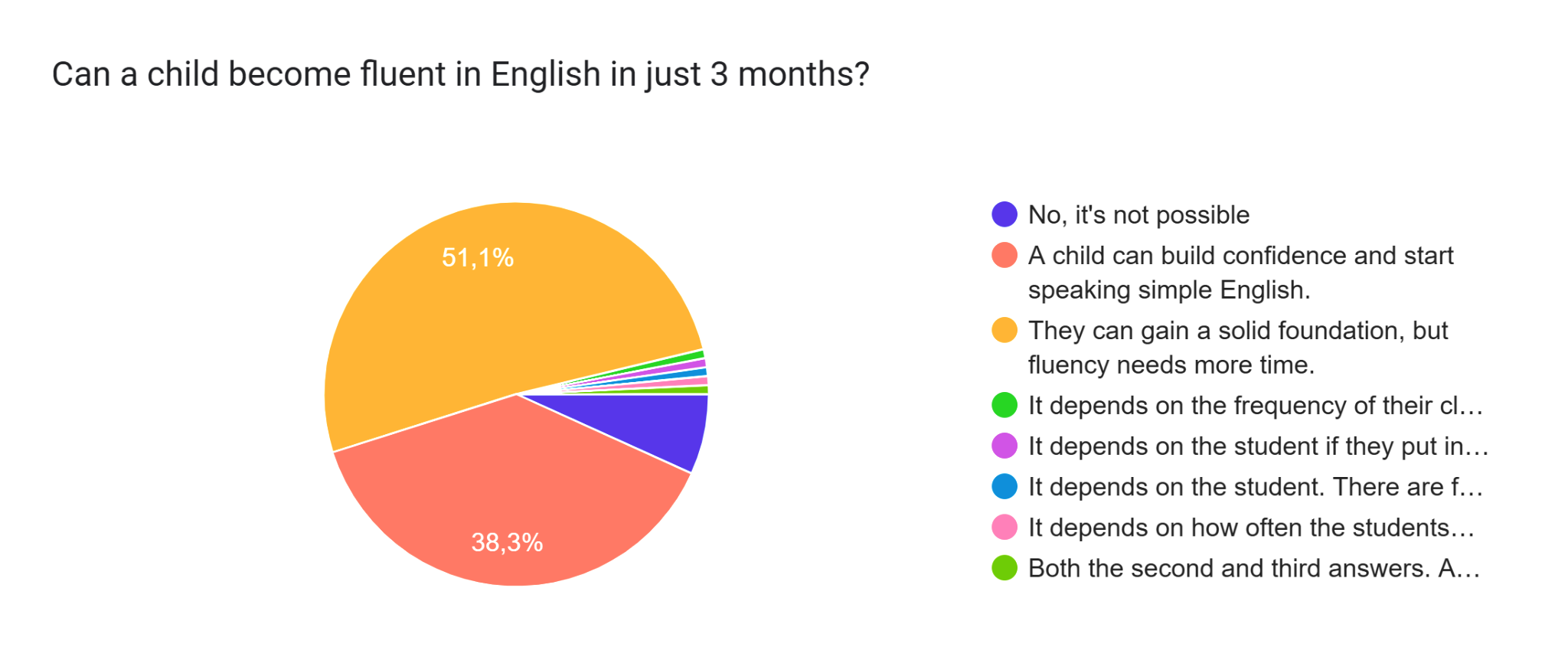
To better understand what children can realistically achieve, we asked Novakid teachers a very specific question: Can a child become fluent in English in three months?
The majority of teachers (51%) agreed that in three months, a child can build a solid foundation, but that true fluency requires more time. Another 38% said that within this period, children can gain confidence and begin speaking simple English, even if they are not yet fluent.
Teachers emphasised that fluency depends on many elements: how motivated the child is, whether English is practiced at home, how often lessons take place, and whether the child is exposed to English outside the classroom, such as through media or daily interactions.
So while three months is not enough to become fluent, it is enough to make meaningful progress. With engaging lessons, and consistent support from parents, children can develop confidence and a genuine interest in the language, turning English from an obligation into something they enjoy using every day.
Finally, we asked Novakid teachers one last question — one you may have asked too as a parent: Is it really worth paying for an English course? Today, children can watch cartoons in English, listen to videos, and even complete online exercises on their own. So why invest in a structured course?
According to Novakid teachers, the answer is clear: yes, a course is necessary. In our survey, 69% of teachers said that without guided learning, children can only learn English partially. While it’s possible to pick up basic words and phrases independently, building a solid and complete understanding of the language requires the support of a teacher.
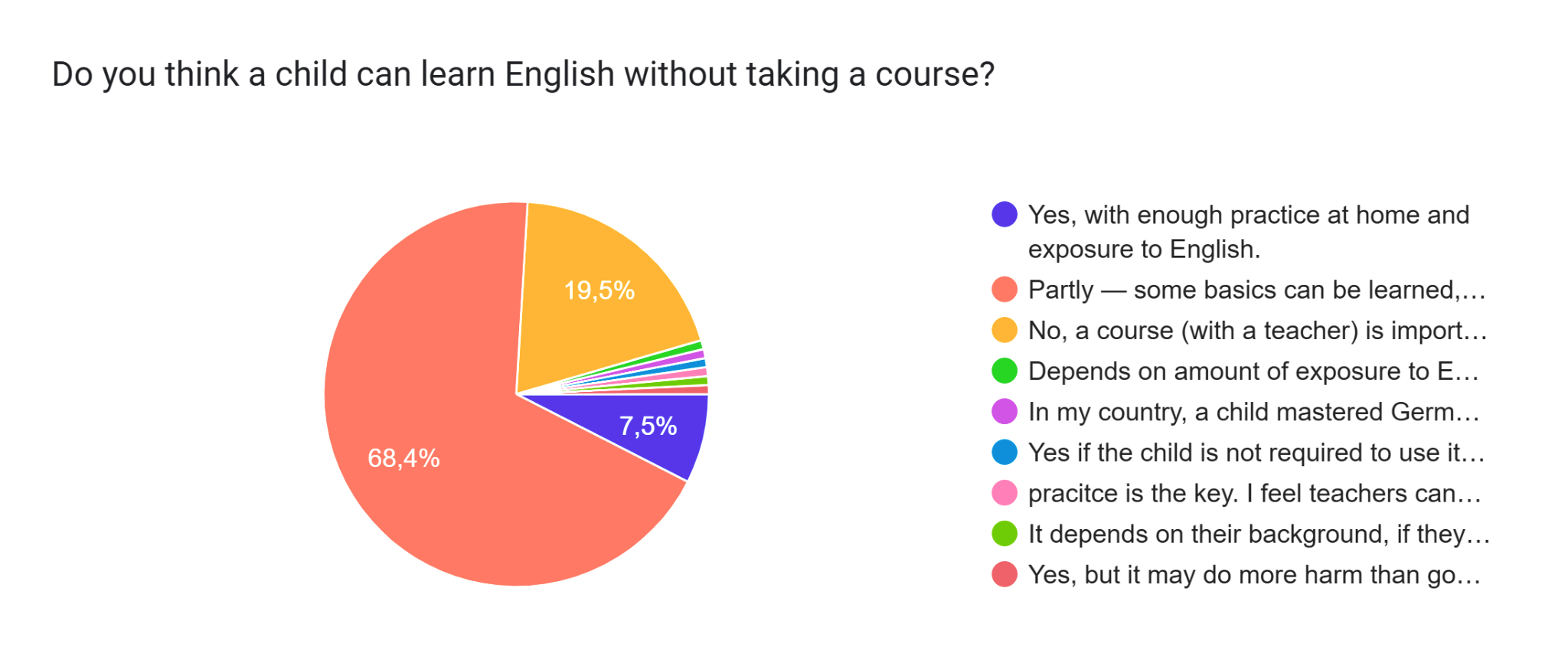
Only a small percentage of teachers (around 7%) believe that children can learn English without a course — and even then, this usually happens when the child lives in an English-speaking country or regularly uses English at home, for example with a parent.
In most other situations, a structured course with a qualified teacher remains essential. It helps guide learning, maintain motivation, and ensure steady, meaningful progress over time. We explore this topic in more depth in our article: Is it still worth paying for an English course for children?
An English course is essential for making progress, but a child’s success doesn’t depend on lessons alone. Parents play an equally important role. Supporting learning means helping children make English a natural part of their everyday life — in a way that feels enjoyable, not forced.
Simple activities can make a big difference: watching cartoons in English, reading short stories together, playing games using English words and expressions, or setting aside a small moment each day when only English is spoken.
Other effective ideas include listening to audiobooks, singing songs, or creating drawings related to new words and displaying them around the house.
Encouraging practical use of English is also very powerful. Children can write short messages to a friend, send a postcard, or record simple voice messages in English. These activities show them that English is not just something they study, but something they can use to communicate.
Finally, the emotional aspect matters just as much as practice. When English is associated with positive moments spent with parents, learning becomes more natural. Not a duty, but a shared experience.
Book a free Novakid lesson and let your child discover how fun learning English can be.


Progress can be monitored through regular observation and feedback from the teacher. This includes checking how confidently a child understands instructions, participates in lessons, and uses new vocabulary over time. Short assessments, games, and speaking activities are also useful tools.
Consistent practice is key. Children make progress when lessons are regular, engaging, and supported by exposure to English outside the classroom — such as listening to stories, watching age-appropriate videos, and using English in simple daily activities.
A child’s English level is usually evaluated through level assessments and ongoing teacher observation. Teachers consider age, previous exposure to English, and how well the child can understand and respond in real-life situations.
English progress is measured by looking at improvements in listening, speaking, vocabulary, and comprehension. Rather than focusing only on tests, progress is often seen in a child’s ability to communicate more naturally and with greater confidence.
This varies from child to child. Many children begin to show noticeable progress within a few weeks of consistent lessons, while fluency develops gradually over a longer period, depending on practice, motivation, and exposure.
How do you teach kids to read so that they don’t lose interest and make it effective at the same time?

Choosing skincare for our children is not a mindless decision. Products must both be safe and effective, for their health and their skin.
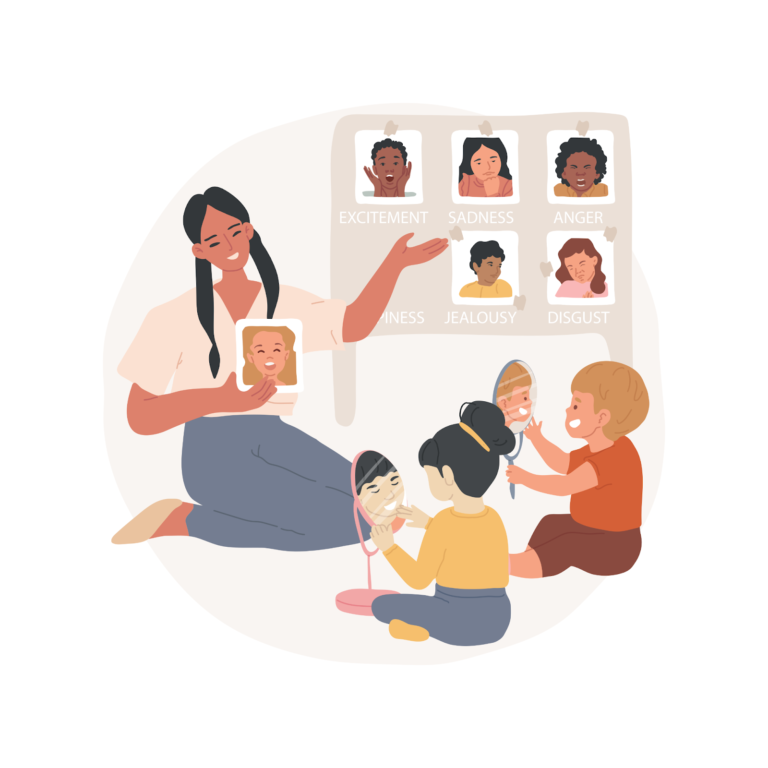
Find out the best emotional intelligence games and activities for kids. Develop emotional intelligence and help kids understand their emotions. See more!

Understand your child’s emotions - find out about emotional intelligence for kids and learn to identify emotions for kids. Check out our ideas!

New ways to learn a foreign language pop up every day. Digital technology has given limitless learning options. We have curated 10 unconventional ways to learn English for you.

Learning languages is more efficient when it is organised in a good, structured manner. Appropriate institutions have already developed some ways to evaluate one’s English proficiency and have provided defined proficiency levels to that end. There is an international standard called Common European Framework of Reference for Languages. This is the first thing you would probably like to know.
We and our partners use cookies and similar technologies to improve your experience, personalize content and ads, and analyze our traffic. By clicking ‘Accept all’ you agree that your personal data and cookies may be used for ad personalization, including sharing with Google. For more information, read our Privacy Policy and Google’s Privacy & Terms.
You can personalize your choices by clicking on ‘Cookie settings’.
Find more information about what cookies are and how we work with them in our Cookie policy and Privacy policy
Strictly necessary
Advertising
Analytics
Personalisation


