



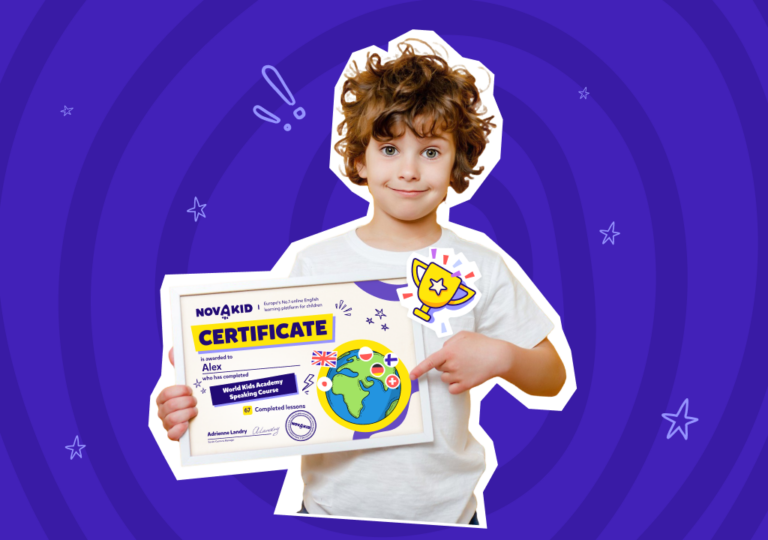
Find out if Novakid offers certificates after course completion and what they mean for your child’s English learning.

Have you ever wondered how to make learning English exciting for preschoolers? Teaching little ones can be fun and challenging, but the key is to keep things playful and interactive. Preschoolers are like sponges, soaking up new words and sounds quickly when learning feels like a game instead of a lesson.
Starting English early helps children build a strong foundation for future learning. It boosts their confidence, improves their skills, and makes it easier for them to pick up more languages later. But sitting still and listening to a teacher? That’s not their style! Young kids learn best when they’re moving and playing.
Using activities like songs, games, and visuals makes learning fun and keeps preschoolers interested. When kids enjoy their lessons, they’re more likely to stay focused and remember what they’ve learned. Lucky for you, a Novakid teacher will talk about the right strategies so teaching English to preschoolers can become a rewarding and joyful experience.
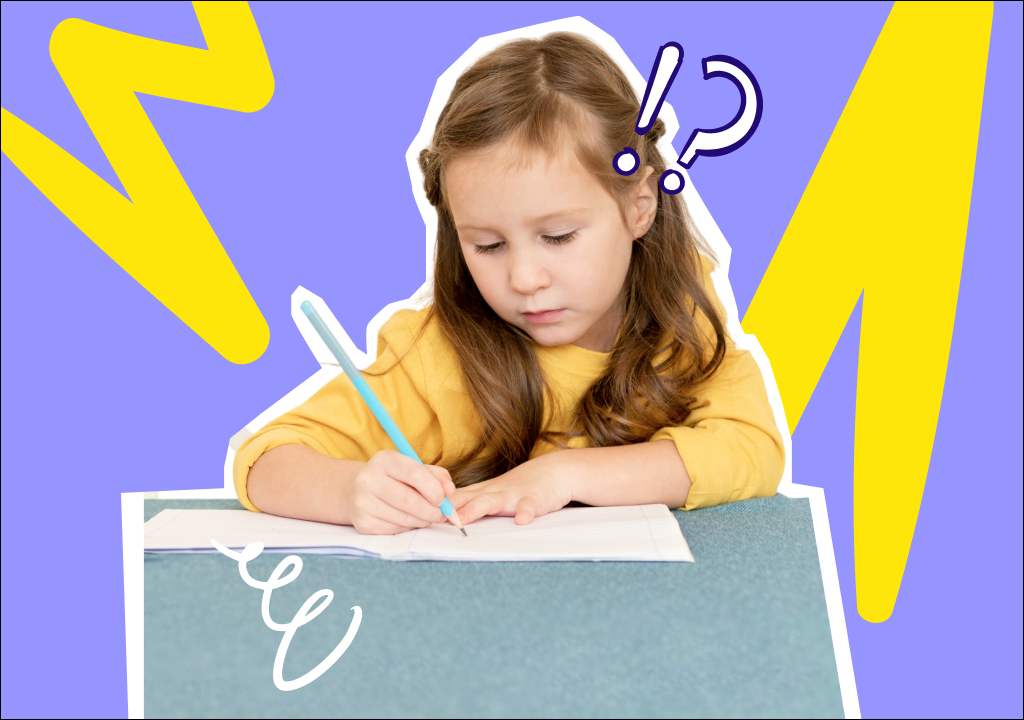
Teaching English to preschoolers is all about keeping things simple, fun, and engaging. Kids have short attention spans at this age, so it’s important to use quick and entertaining activities. Focus on teaching basic vocabulary through repetition, as it helps little ones remember new words more easily.
Incorporate songs, games, and colorful visuals to keep their interest and make learning exciting. For example, sing songs with actions, play matching games, or use flashcards with bright pictures. By combining fun with learning, you can create lessons that preschoolers will enjoy and remember.
However, one of the most important things to remember when teaching English to preschoolers is to stay positive and encouraging throughout the lesson. Celebrate small successes, like saying a word correctly, with a big smile or claps. A cheerful attitude makes kids feel confident and eager to participate. When they see that learning is fun and rewarding, they’ll want to keep trying.
Now, let’s get to the fun part—activities! Since you now know about helpful tips and how preschoolers learn differently, it’s time to explore creative ways to actually teach English. These activities are designed to keep little ones engaged, smiling, and excited to learn new words!
Songs and rhymes are a fantastic way to teach English to preschoolers! Classics like “Head, Shoulders, Knees, and Toes” or “Twinkle, Twinkle, Little Star” introduce new vocabulary while making learning fun and musical. Singing helps kids improve their listening skills, pronunciation, and memory as they repeat the words and actions. Plus, the rhythm and repetition of songs make it easier for young learners to remember.
Picture books bring stories to life for preschoolers with their colorful illustrations and simple text. Choose books with visuals and repetitive phrases that kids can echo, like Brown Bear, Brown Bear, What Do You See? Storytime not only teaches vocabulary but also encourages listening and speaking skills. Ask questions like, “What do you see on this page?” to get kids even more involved.
Arts and crafts combine creativity with learning for preschoolers. Simple projects like coloring or making paper animals teach colors, shapes, and instructions in a hands-on way. For example, you can ask kids to draw a red circle or create a green frog. These activities make learning interactive while helping kids build motor skills and follow directions.
Games are a wonderful way to get preschoolers moving and learning at the same time. Activities like Simon Says, matching cards, or scavenger hunts encourage kids to actively participate while practicing vocabulary. For example, in a scavenger hunt, you can ask them to find something blue or pick up a toy car, so games make learning feel like playtime.
Pretend play sparks imagination while teaching everyday vocabulary. Activities like dressing up and acting out scenarios—grocery shopping, visiting the doctor, or playing house—help kids practice real-life phrases in a fun setting. By pretending to buy food or treat a “patient,” preschoolers can learn and use new words naturally.
Another helpful tool for teaching English to preschoolers is psychology. Simple educational apps designed for young learners introduce basic vocabulary through games, songs, and interactive exercises. Apps like these make learning fun and easy to follow. You can also play interactive videos that teach common English phrases, like greeting words or numbers, with bright visuals and catchy songs.
To take a trial lesson with Novakid, click here and see if online learning is suitable for your child!
Teaching English to preschoolers can be a super rewarding experience. By using fun activities like songs, stories, games, and crafts, you can create a learning environment that keeps little ones interested and excited. If you can mix the right amount of creativity, patience, and encouragement, you’ll help them build a strong foundation in English while making learning a fun adventure. The smiles and progress you see along the way will make it all worth it!


Find out if Novakid offers certificates after course completion and what they mean for your child’s English learning.
Upgrading your vocabulary helps you sound smarter and more confident. So here are better words for ‘very’ that can make your English stronger, clearer, and more fun!
Discover effective techniques for practicing English spelling with our comprehensive guide. From fun activities to helpful tips, learn how to improve your spelling skills and boost your confidence.
Find out how Novakid helps children gain English speaking confidence through live classes, fun activities, and positive support.

Perfect length of an English lesson depends on the age of children, their attention span and learning objectives. Most of the time, it varies from 25 to 60 minutes.
Help your child build a strong vocabulary with fun activities, daily conversations, and creative writing ideas. Learn practical tips to boost language skills at any age.
We and our partners use cookies and similar technologies to improve your experience, personalize content and ads, and analyze our traffic. By clicking ‘Accept all’ you agree that your personal data and cookies may be used for ad personalization, including sharing with Google. For more information, read our Privacy Policy and Google’s Privacy & Terms.
You can personalize your choices by clicking on ‘Cookie settings’.
Find more information about what cookies are and how we work with them in our Cookie policy and Privacy policy
Strictly necessary
Advertising
Analytics
Personalisation


